

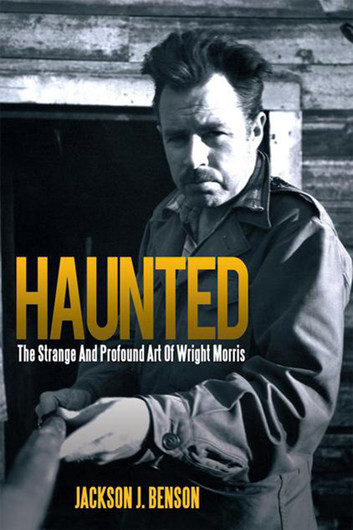
Description
Haunted: The Strange and Profound Art of Wright Morris – A Complete Synopsis
Wright Morris (1910-1998) stands as one of American literature’s most fascinating enigmas. This experimental novelist and photographer created a unique artistic vision that continues to captivate readers today. Jackson J. Benson’s “Haunted: The Strange and Profound Art of Wright Morris” offers an intimate exploration of this remarkable artist’s life and work. Moreover, the book reveals how Wright Morris pioneered innovative approaches to storytelling through his groundbreaking photo-texts and novels.
The Enigmatic Artist: Wright Morris’s Literary Legacy
Wright Morris authored more than 30 books during his prolific career. His work earned him prestigious recognition, including the National Book Award in 1956 for “The Field of Vision.”
Additionally, he received the American Book Award in 1981 for “Plains Song.” These accolades confirmed his status as a major American writer. However, despite his achievements, Morris remained relatively unknown to mainstream audiences. Consequently, he became one of the great enigmas in American literature.
Morris’s writing captured the essence of the Great Plains landscape and culture. He transformed ordinary Midwestern settings into profound literary territory. Furthermore, his keen eye for detail brought authenticity to every page. His characters embodied the spirit of rural America with remarkable depth.
Pioneering Photo-Texts: Wright Morris’s Innovative Vision
Morris revolutionized artistic expression by combining photography with literature. He created what became known as “photo-texts,” a groundbreaking hybrid form. These works featured his own photographs alongside narrative text. Moreover, this innovative approach challenged traditional boundaries between visual and written art. The images and words worked together to create layered meanings.
His photographic eye influenced his prose style significantly. Morris wrote with visual precision and compositional awareness. Therefore, his novels often read like carefully framed photographs. Each scene captured specific moments with cinematic clarity. Additionally, his background in photography shaped his narrative techniques in unique ways.
An Extraordinary Life Story: Wright Morris’s Adventures
Morris lived a life as compelling as his fiction. He skipped his senior year of high school to travel to Europe. This bold decision launched a series of remarkable adventures. While abroad, he befriended a European Countess who became his patron. However, his travels took a dark turn when he was held prisoner by a mad Count.
These experiences profoundly influenced his artistic development. The European sojourn exposed him to modernist movements and avant-garde ideas. Consequently, Morris returned to America with a transformed worldview. His unconventional education shaped his experimental approach to art. Furthermore, these adventures provided rich material for his later creative work.
Jackson J. Benson: The Acclaimed Biographer
Jackson J. Benson brings exceptional credentials to this biographical study. He is renowned for his monumental biography of John Steinbeck. Moreover, “Haunted” represents his fifth biography of a Western writer. Benson’s expertise in Western American literature makes him ideally suited for this project.
His previous work demonstrates meticulous research and engaging narrative style. Benson understands the cultural context that shaped Morris’s artistic vision. Additionally, he recognizes the significance of regional identity in American literature. Therefore, he can illuminate Morris’s contributions with authority and insight.
The Great Plains Vision: Defining a Landscape
Morris became the definitive chronicler of Great Plains culture. His work captured the stark beauty of the Midwestern landscape. He portrayed small-town life with unflinching honesty and deep affection. Moreover, his characters embodied the resilience and isolation of rural existence.
The Plains served as both setting and metaphor in his work. Morris found profound meaning in ordinary places and everyday objects. Consequently, he elevated regional writing to universal significance. His descriptions transformed familiar landscapes into mythic territory. Furthermore, he revealed the poetry hidden in commonplace experiences.
Key themes in Morris’s Great Plains writing include:
- The tension between past and present in rural communities
- The psychological impact of vast, empty landscapes
- The dignity and struggles of ordinary Midwestern people
- The decay of small-town America and traditional values
- Memory and nostalgia as creative forces
- The relationship between place and identity
Awards and Recognition: Wright Morris’s Achievements
Morris’s literary excellence earned him numerous prestigious honors. The National Book Award for “The Field of Vision” established his reputation. This 1956 novel showcased his mature style and thematic concerns. Additionally, it demonstrated his ability to blend experimental techniques with accessible storytelling.
“Plains Song” brought him the American Book Award in 1981. This late-career triumph proved his enduring creative vitality. Moreover, the novel synthesized decades of artistic exploration. It represented the culmination of his lifelong engagement with Plains culture. Therefore, these awards confirmed his place among America’s finest writers.
The Strange and Profound: Morris’s Artistic Vision
Benson’s biography explores the haunting quality of Morris’s work. The title “Haunted” captures the ghostly presence of memory in his art. Morris’s characters are often haunted by their pasts and lost possibilities. Furthermore, his landscapes carry the weight of history and vanished ways of life.
His artistic vision combined strangeness with profound insight. Morris found the uncanny in familiar settings and situations. Consequently, his work unsettles readers while offering deep truths. He revealed the mystery lurking beneath ordinary surfaces. Additionally, his experimental techniques created disorienting yet illuminating effects.
Photo-Text Innovation: Blending Visual and Literary Arts
Morris’s photo-texts represented a radical artistic experiment. He published several volumes combining his photographs with prose. These works challenged readers to engage with both visual and verbal narratives. Moreover, the relationship between image and text remained deliberately ambiguous.
“The Inhabitants” (1946) pioneered this innovative form. The book featured photographs of abandoned buildings and empty rooms. Accompanying text fragments suggested stories without explicit connections. Therefore, readers had to construct meaning from juxtaposed elements. This approach anticipated postmodern artistic strategies by decades.
Critical Reception: Understanding Wright Morris’s Place
Despite his innovations, Morris never achieved widespread popular success. Critics praised his work, yet general readers often found him challenging. Consequently, he remained a “writer’s writer” throughout his career. However, his influence on other artists proved significant and lasting.
Academic interest in Morris has grown steadily since his death. Scholars recognize his contributions to American modernism and postmodernism. Moreover, his photo-texts now seem remarkably prescient and contemporary. Therefore, his reputation continues to evolve and expand. Additionally, new generations discover the power of his unique vision.
Benson’s Approach: Illuminating the Artist
Jackson J. Benson brings biographical expertise to Morris’s complex story. His 290-page study offers comprehensive coverage of Morris’s life and work. Moreover, Benson balances critical analysis with engaging narrative. He makes Morris’s experimental art accessible to general readers.
The biography traces Morris’s development from his adventurous youth through his mature achievements. Benson examines the connections between life experiences and artistic output. Furthermore, he contextualizes Morris within broader literary movements. Therefore, readers gain understanding of both the man and his cultural moment.
The Xlibris Edition: Accessibility and Preservation
Xlibris published “Haunted” in 2013, making it widely available. This edition (ISBN: 9781469185507) ensures Morris’s story reaches contemporary audiences. Moreover, the publication represents important work in preserving literary history. Benson’s biography prevents Morris from fading into obscurity.
The book serves multiple audiences effectively. Scholars find rigorous research and insightful analysis. General readers discover an engaging life story and introduction to Morris’s work. Additionally, the biography inspires renewed interest in Morris’s novels and photo-texts. Therefore, it fulfills an important cultural function.
Legacy and Influence: Wright Morris’s Enduring Impact
Morris’s experimental techniques influenced subsequent generations of artists. His photo-texts anticipated multimedia and interdisciplinary approaches. Moreover, his regional focus helped legitimize Midwestern literature. He proved that provincial settings could yield universal insights.
Contemporary writers continue to discover Morris’s relevance. His exploration of memory and place resonates with current concerns. Furthermore, his formal innovations remain fresh and challenging. Consequently, his work rewards repeated reading and study. Additionally, his photographs stand as significant artistic achievements independent of his writing.
Conclusion: A Strange and Profound Journey
Jackson J. Benson’s “Haunted: The Strange and Profound Art of Wright Morris” offers essential insight into a neglected master. The biography illuminates Morris’s extraordinary life and groundbreaking artistic vision. Moreover, it makes a compelling case for Morris’s importance in American literature. Readers discover an artist who defied conventions and created something genuinely original.
Morris’s combination of photography and prose created a unique artistic legacy. His portraits of Great Plains life captured a vanishing America with honesty and poetry. Furthermore, his experimental techniques pushed boundaries and opened new possibilities. Therefore, this biography serves as both tribute and invitation. It honors Morris’s achievements while encouraging readers to explore his remarkable body of work.
Benson’s expertise and passion shine throughout this comprehensive study. He reveals the strange and profound dimensions of Morris’s artistic vision. Consequently, “Haunted” stands as the definitive introduction to this enigmatic American master. The book ensures that Wright Morris’s contributions will continue to haunt and inspire future generations.





Reviews
There are no reviews yet.