

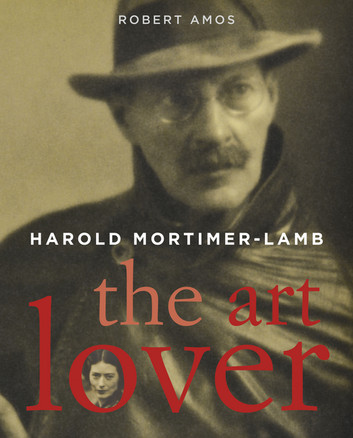
Description
Harold Mortimer Lamb: The Untold Story of Canada’s Greatest Art Patron
Harold Mortimer Lamb shaped Canadian art history in profound ways. Robert Amos’s biography reveals this forgotten cultural giant’s legacy. Moreover, it explores his multifaceted talents as photographer and patron. Additionally, the book illuminates his crucial role in Canadian art. Therefore, Harold Mortimer Lamb: The Art Lover fills a significant gap. Furthermore, it celebrates a man whose name appears everywhere yet remains mysterious.
Who Was Harold Mortimer Lamb?
Harold Mortimer Lamb (1872-1970) lived an extraordinary creative life spanning nearly a century. He excelled as photographer, writer, painter, and cultural promoter. Moreover, his influence touched every corner of Canadian art development. Additionally, he championed artists who are national treasures today.
His name appears in almost every Canadian art history book. However, his actual role remained unclear until Robert Amos’s research. Furthermore, historians knew he mattered but couldn’t explain exactly how. Therefore, this biography finally brings his contributions into sharp focus.
Lamb possessed rare vision for recognizing artistic genius early. He supported struggling artists before anyone else noticed their talent. Moreover, he used his connections to open doors for them. Consequently, Canadian art history would look vastly different without him.
Harold Mortimer Lamb as Pictorialist Photographer
Harold Mortimer Lamb became deeply involved in the Pictorialist photography movement. This artistic approach treated photography as fine art rather than documentation. Moreover, Pictorialists used soft focus and artistic techniques deliberately. Additionally, they sought to elevate photography to painting’s status.
Lamb’s photographic work demonstrated exceptional technical skill and artistic vision. He created images that captured mood and emotion beautifully. Furthermore, his photographs reflected the Pictorialist aesthetic perfectly. Therefore, he earned respect in international photography circles.
The Pictorialist movement in Canada owed much to Lamb’s promotion. He wrote extensively about photography as legitimate art form. Moreover, he exhibited his work and encouraged other photographers. Consequently, he helped establish photography’s place in Canadian cultural life.
The Art Patron Who Changed Everything
Harold Mortimer Lamb befriended the most important Canadian artists of his era. His circle included Emily Carr, A.Y. Jackson, and Jack Shadbolt. Moreover, these relationships went beyond casual acquaintance or collecting. Additionally, he actively promoted their work to galleries and collectors.
Lamb possessed an extraordinary eye for artistic talent and potential. He recognized genius before the art establishment caught on. Furthermore, he used his influence to create opportunities for artists. Therefore, many careers began because of his early support and advocacy.
His patronage extended beyond financial support to genuine friendship and mentorship. Artists trusted his judgment and valued his artistic opinions. Moreover, he provided emotional support during difficult creative periods. Consequently, his impact went far deeper than typical patron relationships.
The Discovery of Emily Carr
In 1921, Harold Mortimer Lamb made his most significant contribution to Canadian art. He brought Emily Carr to the National Gallery of Canada’s attention. Moreover, this introduction changed Carr’s life and Canadian art history forever. Additionally, it demonstrated Lamb’s exceptional ability to recognize groundbreaking talent.
Emily Carr was virtually unknown outside British Columbia at that time. Her bold, expressive paintings of Indigenous subjects seemed too radical. Furthermore, she struggled financially and faced constant discouragement. Therefore, Lamb’s intervention came at a crucial moment in her career.
Lamb wrote to National Gallery director Eric Brown about Carr’s work. He described her paintings with enthusiasm and conviction that sparked interest. Moreover, his recommendation carried weight because of his respected judgment. Consequently, the Gallery invited Carr to exhibit in a major show.
This exhibition transformed Carr from obscure regional artist to national figure. She met members of the Group of Seven who became supporters. Furthermore, she gained confidence to continue her bold artistic vision. Therefore, Lamb’s 1921 letter literally changed the course of Canadian art.
Connections with Canadian Art Legends
Harold Mortimer Lamb maintained close relationships with numerous Canadian art legends throughout his life. His friendships with Group of Seven members proved particularly significant. Moreover, he corresponded regularly with artists across the country. Additionally, his home became a gathering place for creative minds.
A.Y. Jackson valued Lamb’s friendship and artistic insights deeply. The two men shared ideas about Canadian landscape and identity. Furthermore, Lamb promoted Jackson’s work to collectors and institutions. Therefore, their relationship benefited both men personally and professionally.
Jack Shadbolt, a younger artist, also benefited from Lamb’s mentorship. Lamb encouraged Shadbolt’s experimental approaches and bold vision. Moreover, he provided crucial support during Shadbolt’s early career struggles. Consequently, Shadbolt always credited Lamb as key influence and friend.
These relationships reveal Lamb’s generous spirit and genuine love for art. He never sought personal glory or financial gain from connections. Furthermore, he simply wanted to see Canadian art flourish. Therefore, artists trusted him completely and valued his friendship deeply.
Harold Mortimer Lamb’s Multifaceted Talents
Beyond patronage, Harold Mortimer Lamb created his own impressive artistic work. His photography earned recognition in international Pictorialist circles and exhibitions. Moreover, his paintings demonstrated skill and artistic sensibility. Additionally, his writing about art influenced Canadian cultural discourse significantly.
Lamb’s diverse talents included:
- Pictorialist photography with international recognition
- Landscape and portrait painting
- Art criticism and cultural commentary
- Essays promoting Canadian artists and movements
- Curatorial vision for exhibitions and collections
- Mentorship of emerging artists
- Photographic technique innovation
- Cultural advocacy and institution building
- Personal art collection of significant works
- Correspondence that documented Canadian art history
This range of abilities made Lamb uniquely qualified as cultural advocate. He understood art from creator’s perspective, not just collector’s viewpoint. Furthermore, his own creative practice informed his patronage decisions. Therefore, artists respected him as fellow creator rather than wealthy dilettante.
The Unknown Chapter in Canadian Art History
Robert Amos’s biography reveals a previously unclear chapter in Canadian art. Harold Mortimer Lamb appears in every art history index yet remains mysterious. Moreover, historians knew he mattered but couldn’t explain his exact role. Additionally, his contributions were acknowledged but never fully explored or understood.
This gap in historical knowledge seemed increasingly puzzling over time. Lamb’s name figured in every major Canadian art development. Furthermore, primary sources referenced him constantly in letters and documents. Therefore, his absence from detailed historical analysis represented significant oversight.
Amos’s research finally brings Lamb’s story into proper focus and context. The biography examines his relationships, influence, and contributions systematically. Moreover, it places him correctly within Canadian cultural history’s narrative. Consequently, readers finally understand this enigmatic figure’s true importance and legacy.
The book demonstrates how individual patrons shape entire artistic movements. Lamb’s vision and support enabled artists to create groundbreaking work. Furthermore, his advocacy helped establish Canadian art’s distinct identity. Therefore, understanding Lamb means understanding Canadian art history more completely.
Why Harold Mortimer Lamb Matters Today
Harold Mortimer Lamb’s legacy extends far beyond his own lifetime and immediate circle. The artists he supported became Canada’s most celebrated cultural figures. Moreover, his vision for Canadian art helped define national identity. Additionally, his model of engaged patronage remains relevant for contemporary supporters.
Emily Carr’s international reputation owes much to Lamb’s 1921 intervention. Without his letter, she might have remained unknown forever. Furthermore, the Group of Seven benefited from his early support and promotion. Therefore, Canada’s most famous art movements connect directly to Lamb’s influence.
His approach to patronage offers lessons for today’s art supporters. Lamb combined genuine friendship with practical assistance and advocacy. Moreover, he recognized talent before market forces validated his choices. Consequently, his example shows how individuals can shape cultural history.
The biography also reveals how art history gets written and remembered. Important figures sometimes disappear from narratives despite their crucial roles. Furthermore, recovering these stories enriches our understanding of cultural development. Therefore, Amos’s book performs valuable service beyond telling one man’s story.
What Readers Will Discover
Robert Amos’s biography offers comprehensive look at Harold Mortimer Lamb’s remarkable life. Readers discover the man behind the mysterious name in art history. Moreover, they learn how one person’s vision shaped an entire nation’s culture. Additionally, they gain insight into Canadian art’s formative period and development.
The book draws on extensive research, including letters and personal documents. Amos pieces together Lamb’s story from scattered historical sources carefully. Furthermore, he contextualizes Lamb within broader Canadian cultural history effectively. Therefore, readers get both intimate portrait and historical analysis together.
Photographs throughout the book showcase Lamb’s own artistic work beautifully. His Pictorialist images demonstrate his considerable talent and artistic vision. Moreover, images of the artists he supported bring the era alive. Consequently, the book works as both biography and visual art history.
The narrative reveals fascinating details about Canadian art world’s early days. Readers learn how artists struggled, connected, and supported each other. Furthermore, they discover the crucial role of patrons like Lamb. Therefore, the book illuminates an entire cultural ecosystem, not just one man.
Harold Mortimer Lamb’s Artistic Philosophy
Harold Mortimer Lamb believed deeply in art’s power to define national identity. He saw Canadian artists creating something distinct from European traditions. Moreover, he recognized that Canadian landscape demanded new artistic approaches. Additionally, he understood that artists needed support to develop their visions.
His Pictorialist photography reflected belief in art’s emotional and spiritual dimensions. He rejected purely documentary approaches in favor of expressive techniques. Furthermore, he believed photography deserved recognition as legitimate fine art. Therefore, his artistic practice aligned with his broader cultural advocacy.
Lamb valued authenticity and boldness in artistic expression above all else. He supported artists who took risks and challenged conventions fearlessly. Moreover, he encouraged experimentation rather than safe, commercial approaches. Consequently, the artists he championed became the most innovative and influential.
His philosophy emphasized the patron’s responsibility to nurture talent patiently. He understood that great art takes time to develop fully. Furthermore, he provided support without demanding immediate returns or recognition. Therefore, his patronage model prioritized long-term cultural development over personal gain.
The Pictorialist Movement in Canada
Harold Mortimer Lamb played central role in establishing Pictorialism in Canada. This international photography movement sought to elevate the medium’s status. Moreover, Pictorialists used artistic techniques to create mood and atmosphere. Additionally, they rejected sharp documentary style for softer, painterly effects.
The movement emerged in late 19th century as photography matured artistically. Photographers wanted recognition as artists, not mere technicians or documentarians. Furthermore, they experimented with printing processes and compositional techniques extensively. Therefore, Pictorialism represented photography’s coming of age as fine art.
Lamb’s involvement brought Canadian photography into international artistic conversations and networks. He exhibited work internationally and maintained connections with leading Pictorialists. Moreover, he wrote about photography’s artistic potential in Canadian publications. Consequently, he helped establish photography’s legitimacy in Canadian cultural life.
His photographs demonstrated Pictorialist principles beautifully through technical mastery and vision. Soft focus created dreamlike quality in his landscape images. Furthermore, careful composition and lighting produced emotional resonance and depth. Therefore, his work exemplified the movement’s highest aspirations and achievements.
Who Should Read This Biography
Art historians and researchers will find this biography absolutely essential reading. It fills crucial gap in Canadian art history scholarship comprehensively. Moreover, it provides primary source material and new historical insights. Additionally, it corrects the historical record regarding Lamb’s contributions and influence.
Canadian history enthusiasts will appreciate the cultural context and period details. The book illuminates early 20th century Canadian society and values. Furthermore, it shows how national identity formed through artistic expression. Therefore, it contributes to understanding Canada’s cultural development beyond art alone.
Photography lovers, especially Pictorialism enthusiasts, will treasure this book deeply. Lamb’s photographic work deserves wider recognition and appreciation today. Moreover, the book documents an important chapter in photography’s history. Consequently, it appeals to anyone interested in photography’s artistic evolution.
Fans of Emily Carr and Group of Seven gain new perspective. The biography reveals the support system behind these famous artists. Furthermore, it shows how their careers developed through patronage networks. Therefore, understanding Lamb enriches appreciation of their achievements and struggles.
Robert Amos’s Research and Writing
Robert Amos brings impressive credentials to this biographical project and research. As art historian and writer, he understands Canadian art deeply. Moreover, his previous work demonstrates commitment to recovering forgotten stories. Additionally, his writing makes complex art history accessible to general readers.
The biography reflects years of careful research in archives and collections. Amos tracked down letters, photographs, and documents from numerous sources. Furthermore, he interviewed people who knew Lamb or his associates personally. Therefore, the book rests on solid scholarly foundation and primary evidence.
Amos’s writing style balances scholarly rigor with engaging narrative storytelling effectively. He presents historical information clearly without overwhelming readers with academic jargon. Moreover, he brings Lamb to life as complex, fascinating individual. Consequently, the book works as both scholarship and compelling biography.
The book includes extensive notes and bibliography for further research. Scholars can trace Amos’s sources and explore topics more deeply. Furthermore, the index makes the book valuable reference tool permanently. Therefore, it serves both casual readers and serious researchers equally well.
The Legacy of Harold Mortimer Lamb
Harold Mortimer Lamb’s influence on Canadian art extends far beyond his lifetime. The artists he supported became national treasures and international figures. Moreover, his vision for Canadian art helped shape cultural identity. Additionally, his patronage model inspired subsequent generations of art supporters.
Every major Canadian art institution today reflects Lamb’s early advocacy work. The National Gallery’s Canadian collection owes much to his recommendations. Furthermore, regional galleries benefited from his promotion of local artists. Therefore, his influence permeates Canadian art infrastructure at every level.
His friendships with artists produced invaluable correspondence documenting Canadian art history. These letters provide insights into creative processes and historical context. Moreover, they reveal the personal relationships behind artistic movements and developments. Consequently, Lamb’s papers remain crucial primary sources for art historians.
The biography ensures that Lamb finally receives proper recognition and remembrance. His contributions will no longer remain mysterious or unclear to historians. Furthermore, future art history will acknowledge his crucial role explicitly. Therefore, Amos’s book corrects historical oversight and honors Lamb’s memory appropriately.
Get Your Copy Today
Harold Mortimer Lamb: The Art Lover by Robert Amos reveals a hidden giant of Canadian culture. This beautifully researched biography brings a mysterious figure into clear focus. Moreover, it illuminates an entire era of Canadian art history comprehensively. Additionally, it celebrates a man whose generosity shaped a nation’s culture.
Whether you love Canadian art, photography, or cultural history, this book delivers. It combines scholarly research with engaging storytelling and beautiful illustrations. Furthermore, it recovers an important story that deserves wide recognition. Therefore, this biography belongs on every Canadian art lover’s bookshelf.
Discover how one man’s vision and generosity changed Canadian art forever. Learn about the friendships and support systems behind famous artists. Moreover, appreciate the crucial role of patrons in cultural development. Consequently, you’ll never view Canadian art history the same way again!





Reviews
There are no reviews yet.