

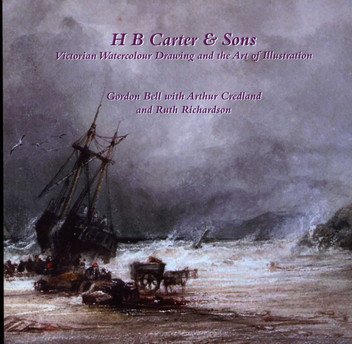
Description
H B Carter and Sons: A Victorian Family’s Artistic Legacy
H B Carter and Sons tells the remarkable story of a Victorian family dedicated to art. Gordon Bell, Arthur G. Credland, and Ruth Richardson collaborate to bring this fascinating history to life. Moreover, the book explores how Henry Barlow Carter and his talented sons shaped Victorian illustration. Furthermore, it reveals their contributions to watercolor painting and medical art during the 19th century.
This fully illustrated book traces three generations of artistic excellence and innovation in Victorian Britain. The Carter family left an indelible mark on illustration, watercolor painting, and scientific documentation. Additionally, their work influenced how Victorians understood and visualized the world around them. The authors combine specialist knowledge to create an absorbing account of this artistic dynasty.
Henry Barlow Carter: The Family Patriarch
Henry Barlow Carter (1804-1868) established the family’s artistic reputation through his exceptional watercolor work. He mastered the delicate medium and created stunning illustrations that beautifully captured Victorian life. Moreover, he passed his skills and passion for art to his sons with dedication. His teaching laid the foundation for his sons’ future achievements in illustration and painting.
Carter worked during a period when illustration became increasingly important in books and publications. He understood how visual images could educate, inform, and inspire audiences across social classes. Furthermore, he developed techniques that his sons would later refine and expand upon significantly. His career demonstrated the growing professionalism of Victorian illustrators and watercolor artists.
The patriarch’s work reflected the Victorian era’s fascination with detail, accuracy, and natural beauty. He created illustrations that combined artistic skill with careful observation of his subjects. Additionally, he maintained high standards that influenced his sons’ approach to their own work. Henry Barlow Carter’s legacy extended far beyond his individual artistic achievements and contributions.
Henry Vandyke Carter: Medical Illustrator and Anatomist
Henry Vandyke Carter (1831-1897) became one of Victorian Britain’s most important medical illustrators. He created the detailed anatomical drawings for Gray’s Anatomy, a medical textbook still used today. Moreover, his illustrations revolutionized how medical students learned about human anatomy and physiology. His artistic precision, combined with scientific knowledge, produced images of exceptional clarity and accuracy.
Carter studied medicine while developing his illustration skills under his father’s guidance. He understood both the artistic and scientific aspects of medical illustration perfectly. Furthermore, he could translate complex anatomical structures into clear, understandable visual representations for students. His dual expertise made him uniquely qualified for the demanding work of medical illustration.
Beyond Gray’s Anatomy, Henry Vandyke Carter pursued a distinguished career in medicine and tropical diseases. He worked in India for many years, studying and treating diseases that affected millions. Additionally, he continued creating scientific illustrations that advanced medical knowledge and understanding throughout his career. His contributions to both medicine and art remain significant and influential even today.
Joseph Newington Carter: Continuing the Artistic Tradition
Joseph Newington Carter carried forward the family’s artistic legacy with his own distinctive style. He specialized in watercolor painting and illustration, building upon his father’s foundational teachings. Moreover, he developed his own approach while honoring the technical excellence his family valued. His work demonstrated how artistic traditions are passed down from generation to generation through dedicated practice.
Joseph’s illustrations captured Victorian life, landscapes, and subjects with sensitivity and technical skill. He worked during a time when illustration flourished in books, magazines, and periodicals. Furthermore, he contributed to the visual culture that defined the Victorian era for readers. His artistic output reflected both family tradition and his individual creative vision and talent.
The younger Carter brother maintained the high standards established by his father and brother. He created works that combined artistic beauty with practical purpose and clear communication. Additionally, he helped preserve the Carter family’s reputation for excellence in watercolor and illustration. Joseph Newington Carter’s career demonstrated the enduring value of artistic craftsmanship and dedication.
Victorian Watercolor Drawing and Illustration
The Victorian era witnessed tremendous growth in the importance of illustration across British society and culture. Books, magazines, and scientific publications increasingly relied on skilled illustrators to visually communicate ideas. Moreover, watercolor became a respected medium for both fine art and practical illustration purposes. The Carter family was a significant participant in and contributor to these important artistic developments.
Watercolor drawing required exceptional skill, patience, and understanding of the medium’s unique properties. Victorian illustrators mastered techniques for creating detailed, accurate images that served educational purposes. Furthermore, they developed methods to reproduce their work using the printing technologies of the era. The Carters excelled in both the artistic and technical aspects of illustration work.
The art of illustration combined aesthetic sensibility, clear communication, and practical functionality. Illustrators needed to understand their subjects deeply while making them accessible to viewers. Additionally, they worked within the constraints of printing technology and publication formats of their time. The Carter family’s success demonstrated mastery of all these challenging aspects of illustration.
The Carter Family’s Artistic Contributions
H B Carter and Sons made lasting contributions to Victorian art and illustration through their dedication:
- Henry Barlow Carter established the family tradition of excellence in watercolor and illustration.
- Henry Vandyke Carter created the anatomical illustrations for the famous Gray’s Anatomy textbook.
- Joseph Newington Carter continued the family legacy with his own watercolor paintings and illustrations.
- The family elevated illustration from craft to a respected art form in Victorian Britain.
- Their work combined artistic beauty with scientific accuracy and educational value.
- They influenced how Victorians visualized and understood the world around them.
- Their illustrations appeared in important publications that shaped Victorian knowledge and culture.
- The Carter legacy demonstrates how artistic excellence can be passed down through generations with proper training.
Gordon Bell’s Collaborative Research
Author Gordon Bell brings together specialist knowledge from co-authors Arthur Credland and Ruth Richardson. This collaboration ensures comprehensive coverage of the Carter family’s artistic and historical significance. Moreover, each author contributes unique expertise that enriches the book’s depth and scholarly value. Furthermore, their combined research reveals new insights into Victorian illustration and the Carter family.
Arthur Credland provides expertise in maritime history and Victorian material culture, contextualizing the Carters’ work. Ruth Richardson contributes knowledge of medical history and the social context of Victorian science. Additionally, Gordon Bell’s research into Victorian art and illustration ties these perspectives together coherently. The collaborative approach produces a richer, more complete understanding of the subject matter.
The authors draw on primary sources, surviving artworks, and historical records to reconstruct the Carters’ lives. They examine how the family navigated the Victorian art world and built their reputation. Furthermore, they carefully analyze the technical aspects of the Carters’ watercolor and illustration methods. This thorough research makes the book valuable for both scholars and general readers.
A Fully Illustrated Historical Account
The book features numerous illustrations that showcase the Carter family’s artistic achievements and technical skill. Readers can examine the watercolors, anatomical drawings, and illustrations that made the family famous. Moreover, the visual content allows direct appreciation of their artistry and attention to detail. Furthermore, the illustrations demonstrate the evolution of techniques across three generations of Carter artists.
Seeing the actual artwork helps readers understand why the Carter family earned such high regard. The illustrations reveal the precision, beauty, and clarity that characterized their best work. Additionally, visual examples demonstrate how they effectively balanced artistic expression with practical communication needs. The fully illustrated format makes the book both informative and visually engaging.
The images also provide historical documentation of Victorian life, medicine, and visual culture. They show what Victorians saw in their books, how they learned anatomy, and more. Furthermore, they preserve artistic techniques and approaches that might otherwise be forgotten or overlooked. The illustrations thus serve multiple purposes beyond simply decorating the text and pages.
The Historical Significance of the Carter Legacy
H B Carter and Sons occupied an important place in Victorian Britain’s artistic and intellectual life. Their work appeared in publications that educated, informed, and entertained thousands of Victorian readers. Moreover, Henry Vandyke Carter’s anatomical illustrations influenced medical education for over a century. Furthermore, the family demonstrated how artistic skill could serve both aesthetic and practical purposes.
The Carters’ success reflected broader changes in Victorian society and culture during the 19th century. Literacy rates increased, publishing expanded, and visual communication became increasingly important across all fields. Additionally, scientific and medical knowledge grew rapidly, creating demand for skilled illustrators like the Carters. Their careers intersected with major developments in Victorian education, science, and publishing industries.
The family’s story also illustrates how artistic traditions are passed down from parents to children through training. Henry Barlow Carter taught his sons the technical skills and professional standards they needed. However, each son also developed his own interests and made unique contributions to art. The Carter legacy thus demonstrates both continuity and innovation across generations of artists.
Victorian Art and the Rise of Illustration
The Victorian period witnessed the transformation of illustration from a simple decoration to an essential communication tool. Publishers recognized that images could enhance understanding, attract readers, and significantly increase sales. Moreover, advances in printing technology made reproducing illustrations more affordable and practical than before. Furthermore, growing literacy created larger audiences hungry for illustrated books, magazines, and educational materials.
Illustrators like the Carters became increasingly professional and specialized during this period of growth. They developed expertise in specific subjects like anatomy, natural history, or landscape illustration. Additionally, they mastered techniques for creating images that reproduced well through available printing methods. The profession gained respect as its importance to education and publishing became clear.
Watercolor remained a favored medium for illustration because of its precision and delicate effects. Artists could achieve fine detail and subtle color variations that served educational purposes well. Furthermore, watercolor paintings could be reproduced through various printing techniques of the Victorian era. The Carter family’s mastery of watercolor positioned them perfectly for success in illustration.
Medical Illustration and Gray’s Anatomy
Henry Vandyke Carter’s work on Gray’s Anatomy represents one of Victorian medical illustration’s greatest achievements. He created over 360 detailed anatomical drawings for the first edition published in 1858. Moreover, his illustrations combined artistic skill with deep anatomical knowledge gained through medical training. Furthermore, his images made complex anatomical structures understandable for medical students studying human anatomy.
The collaboration between Henry Gray and Henry Vandyke Carter produced a textbook that revolutionized the teaching of anatomy. Carter’s illustrations provided clear visual references that complemented Gray’s written descriptions of anatomical structures. Additionally, the images helped students visualize three-dimensional structures from two-dimensional drawings on pages. The book’s success owed much to the quality and clarity of Carter’s illustration work.
Gray’s Anatomy remains in print today, though later editions have updated and replaced Carter’s illustrations. However, his original drawings are still admired for their precision, clarity, and artistic quality. Furthermore, they represent a high point in Victorian medical illustration and scientific art. Carter’s contribution to medical education through these illustrations cannot be overstated or underestimated.
Preserving Victorian Artistic Heritage
Gordon Bell’s book helps readers preserve the memory and achievements of the Carter family. Without such scholarship, important figures in Victorian art history might be forgotten or overlooked. Moreover, the book documents artistic techniques and approaches that characterized Victorian illustration at its best. Furthermore, it provides context for understanding how illustration functioned in Victorian society and culture.
The fully illustrated format ensures that the Carters’ actual work remains accessible to contemporary audiences. Modern readers can appreciate their skill and understand why they earned such high regard. Additionally, the book allows comparison between Victorian illustration and contemporary approaches to visual communication. This historical perspective enriches our understanding of both past and present artistic practices.
By bringing together specialist knowledge from multiple authors, the book offers comprehensive coverage of its subject. It examines artistic, medical, and social aspects of the Carter family’s work and lives. Furthermore, it demonstrates how interdisciplinary research can illuminate historical figures more completely than single perspectives. The collaborative approach serves as a model for future scholarship on Victorian art.
Why This Book Matters Today
H B Carter and Sons offers valuable insights for anyone interested in Victorian art, illustration, or history. It tells the compelling story of a family whose artistic contributions significantly shaped their era. Moreover, it demonstrates how skill, dedication, and training create lasting artistic legacies across generations. Furthermore, it reveals the important role illustration played in Victorian education, science, and culture.
For artists and illustrators, the book provides inspiration through examples of technical excellence and professionalism. The Carters’ work shows how illustration can combine beauty with practical purpose and clear communication. Additionally, their careers demonstrate the value of mastering fundamental skills while developing individual style. Modern illustrators can learn from their approach to craft and their commitment to quality.
For historians and general readers, the book illuminates an important aspect of Victorian cultural life. It shows how visual communication evolved during the 19th century and influenced knowledge dissemination. Furthermore, it provides insights into Victorian family life, education, and professional artistic practice. The Carter family’s story enriches our understanding of Victorian Britain in multiple dimensions.
The Art of Victorian Watercolor
Watercolor painting reached new heights of technical sophistication and popularity during the Victorian era. Artists developed methods for achieving remarkable detail, luminosity, and expressive power in the medium. Moreover, watercolor became accepted as a legitimate fine art form alongside oil painting. Furthermore, its practical advantages made it ideal for illustration work in books and publications.
The Carter family mastered watercolor techniques, enabling them to create both artistic and practical works. They understood how to control the medium’s fluid nature while achieving precise details and effects. Additionally, they knew how to prepare paintings that would reproduce well through printing processes. Their technical expertise reflected years of practice and the high standards of Victorian illustration.
Victorian watercolor artists like the Carters contributed to Britain’s reputation for excellence in the medium. British watercolor painting influenced artists internationally and established traditions that continue today in various forms. Furthermore, the technical innovations of Victorian watercolorists expanded the medium’s expressive possibilities for future generations. The Carter family played a significant role in this important chapter of British art history.
Conclusion: A Family’s Enduring Legacy
H B Carter and Sons celebrates a remarkable Victorian family whose artistic contributions deserve recognition and remembrance. Henry Barlow Carter, Henry Vandyke Carter, and Joseph Newington Carter each made significant achievements. Moreover, together they demonstrated how artistic excellence can flourish across generations through dedication and training. Furthermore, their work influenced Victorian culture, education, and visual communication in lasting ways.
Gordon Bell, Arthur Credland, and Ruth Richardson have created an absorbing account of this artistic dynasty. Their collaborative research brings the Carter family’s story to life with scholarly depth and accessible writing. Additionally, the fully illustrated format allows readers to appreciate the Carters’ actual artistic work directly. The book serves as both historical documentation and a celebration of Victorian illustration at its finest.
For contemporary readers, the Carter family’s story offers inspiration, historical insight, and aesthetic pleasure. Their dedication to craft, their technical mastery, and their professional success provide models worth studying. Moreover, their work reminds us of illustration’s power to educate, communicate, and inspire across generations. This book ensures that the Carter legacy will continue to inform and inspire future artists.




Reviews
There are no reviews yet.