

Description
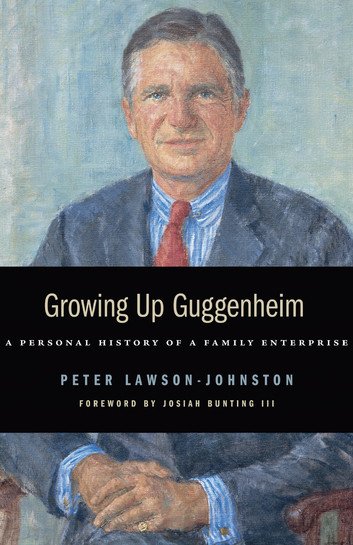
Growing Up Guggenheim: An Intimate Look at America’s Most Influential Art Dynasty
Introduction to Growing Up Guggenheim
Growing Up Guggenheim offers readers an unprecedented insider’s view into one of America’s most iconic families. Peter Lawson-Johnston shares his personal journey within the legendary Guggenheim dynasty. This memoir reveals intimate details about family dynamics, business decisions, and cultural contributions. Moreover, it explores how one family shaped modern art appreciation across generations.
The book provides a rare glimpse into privilege, responsibility, and legacy. Additionally, it chronicles the transformation of a mining fortune into cultural institutions. Readers discover the human side of a name synonymous with art and philanthropy.
The Author’s Unique Perspective
Peter Lawson-Johnston served as president of the Solomon R. Guggenheim Foundation for decades. His leadership spanned critical periods of institutional growth and change. Furthermore, he witnessed firsthand the family’s evolution from industrial magnates to cultural patrons. His position gave him access to private family stories and business decisions.
As a direct descendant, Lawson-Johnston brings authenticity to every page. He seamlessly balances personal anecdotes with historical context. Therefore, readers get both intimate family moments and broader cultural significance. His writing style remains accessible yet informative throughout the narrative.
Growing Up Guggenheim: Family Origins and Mining Empire
The Guggenheim story begins with Meyer Guggenheim, a Swiss immigrant who arrived penniless. He built a mining and smelting empire that dominated American industry. His seven sons expanded the business into a global powerhouse. Consequently, the family accumulated enormous wealth during the late 19th century.
Meyer instilled strong values in his children despite their growing fortune. He emphasized hard work, family loyalty, and strategic thinking. The brothers worked together to control copper, silver, and lead markets. Their business acumen transformed them into one of America’s wealthiest families.
However, wealth brought both opportunities and challenges to the Guggenheim clan. Family members struggled with expectations, public scrutiny, and personal identity. The book explores these tensions with honesty and depth.
The Transition to Cultural Philanthropy
Solomon R. Guggenheim’s passion for modern art changed the family’s trajectory forever. He began collecting non-objective paintings in the 1920s under the guidance of Hilla Rebay. This decision seemed radical at the time but proved visionary. Subsequently, his collection became the foundation for a world-renowned museum.
The family’s shift from industry to culture wasn’t immediate or unanimous. Some members questioned investing in art rather than traditional business ventures. Nevertheless, Solomon’s vision persisted and eventually gained family support. His commitment to modern art education transformed the Guggenheim legacy.
The establishment of the Guggenheim Museum represented a new chapter for the family. It demonstrated how wealth could serve the public good and cultural advancement. Moreover, it created a lasting institution that would outlive any single generation.
Key Themes Explored in the Memoir
Growing Up Guggenheim addresses several interconnected themes throughout its pages:
- Family dynamics and generational expectations
- The burden and privilege of inherited wealth
- Balancing personal identity with family legacy
- Leadership challenges in cultural institutions
- The evolution of modern art appreciation
- Philanthropic responsibility and public service
- Navigating family business transitions
Each theme is examined thoughtfully through personal stories and historical context. Lawson-Johnston doesn’t shy away from difficult topics or family controversies. Instead, he presents a balanced view of both triumphs and struggles.
The Guggenheim Museum’s Transformation
Frank Lloyd Wright’s iconic spiral building became synonymous with the Guggenheim name. The museum’s 1959 opening sparked both praise and criticism from art critics. Its revolutionary design challenged conventional museum architecture and visitor experience. Today, it stands as a masterpiece of 20th-century architecture.
Lawson-Johnston details the challenges of maintaining and expanding this cultural institution. He describes financial pressures, curatorial decisions, and expansion projects with insider knowledge. The museum faced numerous crises over the decades that threatened its survival.
However, strategic leadership and family commitment ensured the museum’s continued success. The institution expanded internationally with locations in Bilbao, Venice, and Abu Dhabi. These expansions brought the Guggenheim vision to global audiences and secured its future.
Personal Anecdotes and Family Stories
The memoir shines brightest when Lawson-Johnston shares intimate family moments and personal reflections. He recalls childhood memories at family gatherings and holiday celebrations with warmth. These stories humanize a family often viewed through the lens of wealth and power.
He describes relationships with various family members, including their quirks and personalities. Some relatives embraced public life while others preferred privacy and anonymity. The author presents these differences without judgment, honestly showing family complexity.
Additionally, he shares lessons learned from elders about responsibility, stewardship, and values. These teachings shaped his approach to leadership and philanthropy throughout his career. The personal touches make the historical narrative more engaging and relatable.
Leadership Lessons from Growing Up Guggenheim
Lawson-Johnston’s decades of leadership at the Guggenheim Foundation offer valuable insights for readers. He discusses decision-making processes during times of institutional crisis and opportunity. His experiences offer lessons applicable beyond the art world to any organization.
The book emphasizes the importance of vision, patience, and strategic thinking. He explains how he balanced tradition with innovation during his tenure. Furthermore, he details the challenges of managing diverse stakeholders with competing interests.
Collaboration emerged as a critical factor in the foundation’s success under his leadership. He worked with directors, curators, trustees, and donors to advance the institution. These partnerships required diplomacy, compromise, and clear communication to achieve shared goals.
The Burden of Legacy and Expectation
Growing up with the Guggenheim name brought both advantages and significant pressures. Lawson-Johnston candidly discusses the weight of family expectations on his shoulders. He felt obligated to honor previous generations while forging his own path.
The public automatically associated the name with excellence, innovation, and cultural contribution. This reputation created high standards that family members felt compelled to maintain. Consequently, personal failures or missteps carried amplified significance and public scrutiny.
Yet the author also acknowledges the privileges his family name afforded him. He received opportunities and access that others could only dream of obtaining. The book balances gratitude for advantages with an honest assessment of accompanying challenges.
Philanthropy and Social Responsibility
The Guggenheim family’s philanthropic philosophy evolved significantly across generations and changing social contexts. Early charitable efforts focused on education, healthcare, and community development in mining towns. Later generations expanded their focus to include arts, culture, and international causes.
Lawson-Johnston explains how the family viewed wealth as a tool for public benefit. They believed privilege carried obligations to improve society and support worthy causes. This philosophy guided decisions about resource allocation and institutional priorities throughout the decades.
The book explores tensions between private family interests and public institutional needs. Board members sometimes disagreed about funding priorities, expansion plans, or curatorial direction. These conflicts required careful navigation to maintain both family harmony and institutional integrity.
Challenges and Controversies
Growing Up Guggenheim doesn’t shy away from discussing difficult periods or controversial family decisions honestly. The author addresses financial struggles that threatened the museum’s survival during economic downturns. He also discusses internal conflicts about artistic direction and institutional priorities.
Some family members disagreed with how the foundation managed Solomon’s original vision. Others questioned the wisdom of international expansion or specific exhibition choices. Lawson-Johnston presents these disagreements as natural parts of institutional evolution and growth.
Additionally, he addresses public criticism the museum faced for various exhibitions and decisions. Not every choice pleased critics, donors, or the art community at large. However, the institution learned from mistakes and adapted its approach over time.
The Bilbao Effect and Global Expansion
The 1997 opening of the Guggenheim Museum Bilbao transformed both the institution and the city. Frank Gehry’s stunning titanium structure became an instant architectural icon and tourist destination. The museum’s success sparked urban renewal and economic revitalization throughout the region.
This phenomenon became known as the “Bilbao Effect” in urban planning circles worldwide. Cities began viewing cultural institutions as catalysts for economic development and tourism. The Guggenheim brand proved its global appeal and transformative potential beyond New York.
Lawson-Johnston played a crucial role in negotiating and implementing this ambitious expansion. He describes the challenges of working across cultures, languages, and political systems. The project required vision, persistence, and diplomatic skill to successfully bring to fruition.
Preserving Family History and Values
One motivation for writing the memoir was preserving family history for future generations. Lawson-Johnston wanted younger family members to understand their heritage and accompanying responsibilities. He hoped to pass down lessons learned through decades of family leadership.
The book serves as both a historical record and an ethical guidebook for Guggenheim descendants. It documents important events, decisions, and relationships that shaped the family’s trajectory. Moreover, it articulates values that should guide future generations in their endeavors.
He emphasizes that family legacy isn’t just about wealth or famous institutions. Rather, it’s about maintaining integrity, serving others, and contributing meaningfully to society. These principles transcend any particular generation or individual family member’s achievements.
What Readers Learn from This Memoir
Readers gain multiple valuable insights from Growing Up Guggenheim beyond just family history. The book offers lessons about leadership, institutional management, and navigating complex family dynamics. It also offers a unique perspective on the evolution and acceptance of modern art.
Business readers appreciate the strategic thinking behind the creation and maintenance of cultural institutions. Art enthusiasts enjoy insider stories about acquisitions, exhibitions, and curatorial decisions over decades. History buffs value the detailed account of 20th-century American cultural development.
Additionally, anyone interested in family enterprises can find relevant lessons on succession and governance. The Guggenheim experience illustrates both successful strategies and cautionary tales about family businesses. These lessons apply across industries and organizational types beyond museums and foundations.
The Writing Style and Approach
Lawson-Johnston writes with clarity, honesty, and occasional humor throughout the narrative. His prose remains accessible without sacrificing depth or nuance in complex topics. He avoids pretension despite his privileged background and impressive accomplishments.
The chronological structure helps readers follow the family’s evolution across multiple generations. However, the author skillfully weaves thematic elements throughout rather than treating topics separately. This approach creates a cohesive narrative that feels both personal and historically significant.
Personal reflections balance factual historical accounts, creating an engaging reading experience. The author’s voice comes through authentically, making readers feel like trusted confidants. This intimacy distinguishes the memoir from dry historical accounts or academic treatments.
Impact on Museum Studies and Cultural Institutions
The book contributes significantly to the literature on museum management and the development of cultural institutions. Scholars reference it when studying family foundations, art patronage, and institutional governance. It provides primary source material about decision-making processes at a major cultural institution.
Museum professionals find practical insights about fundraising, expansion, and stakeholder management throughout. The Guggenheim’s experiences offer both successful models and cautionary examples for other institutions. These lessons remain relevant as museums worldwide face similar challenges and opportunities.
Furthermore, the memoir documents how one family’s vision influenced global appreciation of art. The Guggenheim institutions democratized access to modern art for millions of visitors. This cultural impact extends far beyond the family itself to society at large.
Relevance for Contemporary Readers
Despite its focus on historical events, Growing Up Guggenheim remains highly relevant to contemporary audiences. Issues of wealth inequality, philanthropic responsibility, and family legacy continue sparking public debate. The book offers one family’s thoughtful approach to these enduring questions.
Current discussions about museum funding, accessibility, and representation echo challenges Lawson-Johnston describes. His experiences provide historical context for ongoing conversations about the roles of cultural institutions. Understanding past decisions helps inform current debates about museums’ future directions.
Additionally, the memoir speaks to anyone balancing personal identity with family expectations. These universal themes transcend the specific Guggenheim context and resonate across cultures. Readers from various backgrounds find relatable elements in the author’s honest reflections.
Critical Reception and Reviews
Critics praised the memoir for its candor, historical detail, and engaging narrative style. Reviewers appreciated Lawson-Johnston’s willingness to discuss both successes and failures honestly. The book received recognition from both literary critics and museum professionals alike.
Some reviewers noted the book’s value as both personal memoir and institutional history. It successfully bridges multiple genres without losing focus or coherence throughout. This versatility effectively appeals to diverse reader interests and backgrounds.
However, a few critics wanted more critical analysis of family privilege and wealth. They felt the author could have explored social implications more deeply. Nevertheless, most agreed that the memoir achieved its primary goals admirably and compellingly.
Conclusion: A Legacy Worth Sharing
Growing Up Guggenheim ultimately celebrates family, culture, and the power of visionary philanthropy. Peter Lawson-Johnston’s memoir preserves important history while offering timeless lessons about leadership. His honest, thoughtful approach makes the Guggenheim story accessible to all readers.
The book demonstrates how one family’s commitment transformed cultural landscapes across continents. It shows that legacy isn’t just inherited but actively created through choices. Each generation must decide how to honor the past while addressing present needs.
For anyone interested in art, family dynamics, or institutional leadership, this memoir offers valuable insights. It reminds us that behind every great institution stand real people with dreams. Their stories deserve telling, and Lawson-Johnston tells his family’s story beautifully and memorably.





Reviews
There are no reviews yet.