

Description
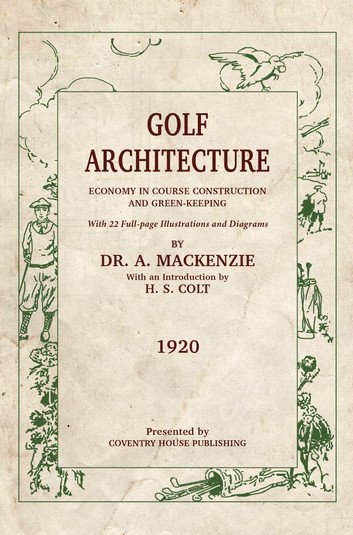
Golf Architecture: Economy in Course Construction and Greenkeeping – A Comprehensive Synopsis
Introduction to Golf Architecture and Course Design Excellence
Golf Architecture represents a timeless guide to building exceptional courses efficiently. Written by legendary designers Alister MacKenzie and H.S. Colt, this e-book revolutionizes how we approach course construction. Moreover, it emphasizes economy without sacrificing quality. The authors share decades of combined experience in creating world-class golf facilities. Therefore, readers gain invaluable insights into cost-effective design principles.
This groundbreaking work addresses the financial challenges of course development. Furthermore, it provides practical solutions for greenkeeping operations. Both authors understood that beautiful courses don’t require excessive spending. Instead, they advocated for intelligent design choices that work with natural landscapes.
The Pioneering Authors Behind Golf Architecture
Alister MacKenzie stands among history’s greatest golf course architects. He designed iconic courses, including Augusta National and Cypress Point. His philosophy centered on natural beauty and strategic play. Additionally, MacKenzie believed in creating courses that challenged skilled players while remaining enjoyable for beginners.
H.S. Colt brought equally impressive credentials to this collaboration. He designed over 300 courses across Europe and beyond. Colt’s work emphasized strategic bunkering and natural contours. Together, these masters created a definitive resource on economical course construction.
Core Principles of Economical Golf Architecture
The book establishes fundamental principles for cost-effective design. However, economy doesn’t mean cutting corners or reducing quality. Instead, it means making smart choices that enhance both playability and sustainability.
Key principles include:
- Working with existing terrain rather than extensive earthmoving
- Utilizing natural drainage patterns to reduce construction costs
- Selecting native grasses that require less maintenance
- Positioning features strategically to minimize ongoing expenses.
- Creating hazards that enhance strategy without excessive upkeep
- Designing greens that drain naturally and resist disease
- Planning irrigation systems that conserve water and energy
These principles remain remarkably relevant today. Moreover, they address environmental concerns that modern designers face. The authors understood that nature provides the best foundation for great courses.
Natural Terrain and Strategic Design in Golf Architecture
MacKenzie and Colt championed the creative use of natural landscapes. Therefore, they minimized the cost of grading and earthwork operations. This approach significantly reduces initial construction costs. Furthermore, it creates more interesting and varied playing experiences.
The authors explain how to identify ideal routing through a property. They discuss evaluating natural features for strategic potential. Additionally, they show how existing trees, hills, and water bodies enhance design. This philosophy contrasts sharply with modern bulldozer-heavy approaches.
Natural terrain provides inherent drainage advantages. Consequently, courses built following natural contours require less artificial drainage. This saves money during construction and reduces maintenance expenses. The book provides detailed guidance on reading landscapes effectively.
Greenkeeping Economy and Maintenance Strategies
Beyond construction, the book addresses the economics of ongoing maintenance. Greenkeeping represents the largest long-term expense for golf facilities. Therefore, design choices dramatically impact operational costs over decades.
The authors advocate for grass varieties suited to local climates. Native grasses require less water, fertilizer, and chemical treatments. Moreover, they resist local pests and diseases more effectively. This significantly reduces both costs and environmental impact.
Strategic bunkering placement minimizes maintenance labor requirements. However, bunkers must still serve their strategic purpose effectively. The book explains how to position hazards for maximum impact with minimum upkeep. This balance represents true economy in golf course design.
Irrigation and Water Management in Course Construction
Water management represents a critical economic consideration. The authors extensively discuss the design of efficient irrigation systems. Furthermore, they explain that proper grading naturally reduces irrigation needs.
Courses designed with natural drainage require less artificial watering. Therefore, initial design choices impact water costs for generations. The book provides specific techniques for creating self-draining features. Additionally, it addresses how to position greens for optimal natural moisture.
Modern courses often over-irrigate due to poor initial design. However, MacKenzie and Colt’s principles prevent this expensive mistake. Their approach conserves water while maintaining excellent playing conditions. This benefits both facility budgets and environmental sustainability.
Bunker Design and Strategic Hazard Placement
Bunkers serve dual purposes in economical Golf Architecture design. They provide strategic challenge while clearly defining the playing corridors. However, poorly designed bunkers become expensive maintenance nightmares.
The authors thoroughly explain optimal bunker construction techniques. They discuss drainage, sand selection, and edge maintenance considerations. Moreover, they emphasize positioning bunkers where they influence play most effectively. Fewer well-placed bunkers outperform numerous poorly positioned ones.
Strategic bunker placement guides players naturally toward intended routes. Therefore, courses require less rough maintenance and fewer out-of-bounds markers. This subtle guidance reduces operational costs while enhancing playability. The book provides numerous examples from famous courses.
Green Construction and Contouring Techniques
Greens represent the most critical and expensive features of a course. Therefore, their design and construction deserve careful attention. The authors provide detailed specifications for building lasting, playable greens economically.
Proper green construction prevents costly future renovations. Furthermore, well-designed greens drain naturally and resist disease. The book explains soil composition, drainage layers, and contouring principles. Additionally, it addresses how green size impacts maintenance costs.
Smaller greens generally cost less to maintain than larger ones. However, they must provide adequate pin positions for varied play. The authors explain how to balance size with strategic variety. Their guidance helps designers create greens that perform excellently for decades.
Practical Applications for Modern Course Development
This classic text remains incredibly relevant for contemporary designers. Moreover, its principles address current environmental and economic challenges. Modern courses face pressure to reduce water usage and chemical applications. Therefore, MacKenzie and Colt’s natural approach provides perfect solutions.
The book teaches designers to see opportunities where others see obstacles. Natural features become assets rather than problems requiring expensive solutions. Furthermore, this mindset shift transforms how we approach course development. Working with nature always proves more economical than fighting against it.
Contemporary architects increasingly return to these timeless principles. They recognize that sustainable, economical design creates better golf experiences. Additionally, courses built following these guidelines age gracefully and require less renovation.
Conclusion: Timeless Wisdom for Golf Architecture
“Golf Architecture: Economy in Course Construction and Greenkeeping” remains essential reading for anyone involved in course design or management. MacKenzie and Colt’s wisdom transcends their era completely. Their principles of economical construction and maintenance apply even more today than when originally written.
The book proves that economy and excellence aren’t mutually exclusive. Instead, they complement each other when designers understand natural principles. Furthermore, courses built on a budget often provide superior playing experiences. This counterintuitive truth represents the authors’ greatest insight.
Whether you’re a professional architect, course owner, or passionate golfer, this e-book offers invaluable knowledge. It teaches us to see golf courses as living landscapes rather than manufactured products. Therefore, it transforms our understanding of what makes great golf architecture truly great.




Reviews
There are no reviews yet.