

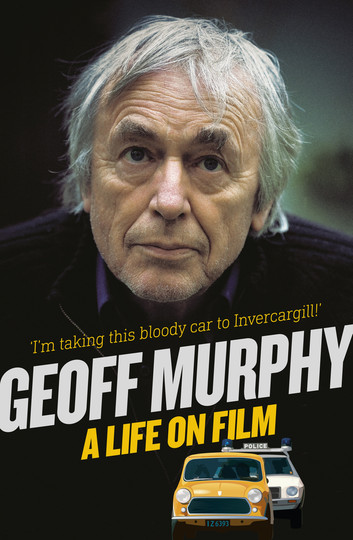
Description
Geoff Murphy Filmmaker: The Legendary Director’s Candid Memoir and Journey Through New Zealand Cinema
Introduction: A Filmmaker’s Unforgettable Story
Geoff Murphy, filmmaker extraordinaire, shares his remarkable journey in this candid memoir. The book chronicles his adventures from DIY shoots to Hollywood blockbusters. Furthermore, it captures the spirit of New Zealand’s film revolution. Murphy’s honest storytelling makes this essential reading for cinema enthusiasts. His career spans decades of groundbreaking work and unforgettable moments.
The memoir takes its title from an iconic line in cinema history. “I’m taking this bloody car to Invercargill!” became a rallying cry for audiences. This phrase represents Murphy’s rebellious spirit and creative vision. Moreover, it symbolizes the independent filmmaking movement he championed.
The Birth of a New Zealand Cinema Icon
Geoff Murphy’s filmmaking career began in the 1960s with experimental projects. He started with do-it-yourself shoots and limited resources. However, his determination and creativity overcame every obstacle. These early experiences shaped his unique directorial style and approach.
The New Zealand film scene in the 1960s was virtually non-existent. Murphy helped build it from the ground up with passion. Therefore, his contributions cannot be overstated in the history of cinema. He pioneered techniques that would influence generations of filmmakers.
Goodbye Pork Pie: The Film That Changed Everything
In 1981, Murphy directed the instant classic “Goodbye Pork Pie.” The road movie captured audiences’ hearts across New Zealand from the start. Furthermore, it became a cultural phenomenon that transcended cinema. The film’s success announced Murphy as a major directorial talent.
The movie follows three misfits on a wild journey. They drive a yellow Mini across New Zealand’s stunning landscapes. Meanwhile, police chase them in an increasingly absurd pursuit. The film perfectly balances humor, adventure, and social commentary.
Why Goodbye Pork Pie Resonated
The film succeeded because it spoke to everyday New Zealanders. Murphy understood his audience and their desire for authentic stories. Also, the movie showcased the country’s beauty in unprecedented ways. It proved local stories could compete with international productions.
Key elements that made the film unforgettable include:
- Authentic Kiwi humor that felt genuine and unforced
- Stunning cinematography showcasing New Zealand’s diverse landscapes
- Relatable characters that audiences could connect with emotionally
- The iconic yellow Mini that became a symbol of rebellion
- Memorable dialogue, including the famous Invercargill line
- A perfect soundtrack that captured the era’s spirit
UTU and Epic Filmmaking Ambitions
Following his breakthrough success, Murphy tackled ambitious projects next. In 1983, he directed “UTU,” a period epic set during colonial wars. The film demonstrated his range beyond comedy and road movies. Moreover, it showcased his ability to handle complex historical narratives.
“UTU” explored New Zealand’s painful colonial history with nuance. The Geoff Murphy filmmaker’s approach brought authenticity to difficult subject matter. He balanced action sequences with thoughtful character development throughout. Critics praised the film’s bold vision and technical achievements.
The production faced numerous challenges during filming in remote locations. However, Murphy’s leadership kept the ambitious project on track. Therefore, the final product exceeded expectations and garnered international attention.
Working with Peter Jackson: Hollywood Beckons
Murphy’s success in New Zealand eventually attracted significant attention from Hollywood. He later collaborated with Peter Jackson on epic productions. This partnership brought him to work on major blockbusters. Furthermore, it validated his talents on the international stage.
The memoir details his experiences working on large-scale productions. Murphy candidly shares behind-the-scenes stories from these Hollywood adventures. Also, he reflects on the differences between independent and studio filmmaking. These insights prove invaluable for aspiring directors and film students.
The Memoir: Candid, Funny, and Insightful
“A Life on Film” offers readers an honest look at filmmaking. Murphy doesn’t shy away from discussing failures alongside successes. Instead, he embraces the messy reality of creative work. His humor shines through even when describing difficult moments.
The book covers several decades of New Zealand cinema evolution. Murphy witnessed and participated in the industry’s complete transformation. Therefore, his perspective provides unique historical value for readers. He documents how local cinema grew from nothing to international recognition.
What Readers Will Discover
The memoir provides insights into various aspects of filmmaking:
- Creative problem-solving with limited budgets and resources
- Building a film industry from scratch in New Zealand
- Navigating Hollywood while maintaining artistic integrity
- Collaborating with talented actors and crew members
- Balancing commercial success with personal artistic vision
- Overcoming setbacks and learning from failures
The Legacy of Geoff Murphy, Filmmaker
Murphy’s influence on New Zealand cinema remains profound and lasting. He paved the way for directors like Peter Jackson and Taika Waititi. Furthermore, his films continue to inspire new generations of filmmakers. The techniques he pioneered are still studied in film schools.
His work proved that small countries could produce world-class cinema. Murphy demonstrated that authentic local stories have universal appeal. Also, he showed that limited budgets shouldn’t limit creative ambition. These lessons continue to resonate with independent filmmakers worldwide.
Behind the Scenes: Murphy’s Filmmaking Philosophy
The memoir clearly reveals Murphy’s approach to directing and storytelling. He believed in trusting his instincts and taking creative risks. Moreover, he valued collaboration and respected his crew’s contributions. This philosophy created positive working environments on his sets.
Murphy also discusses the importance of understanding your audience deeply. He never talked down to viewers or underestimated their intelligence. Instead, he crafted stories that respected and challenged them equally. This approach earned him loyal fans throughout his career.
Conclusion: An Essential Read for Cinema Lovers
“Geoff Murphy: A Life on Film” stands as essential reading. The memoir captures a pivotal era in New Zealand cinema history. Furthermore, it offers timeless lessons about creativity, persistence, and artistic vision. Murphy’s candid storytelling makes every page engaging and worthwhile.
The book beautifully celebrates the spirit of independent filmmaking. It reminds readers why cinema matters and how it transforms cultures. Also, it honors the countless people who build film industries. Whether you’re a filmmaker, film student, or cinema enthusiast, this memoir delivers.
Murphy’s journey from DIY shoots to Hollywood productions inspires readers. His famous line about driving to Invercargill symbolizes creative determination. Therefore, this memoir belongs on every film lover’s bookshelf. It’s a testament to what passion and vision can achieve.





Reviews
There are no reviews yet.