

Description
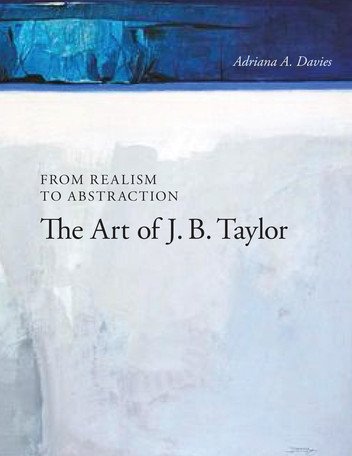
From Realism to Abstraction: The Art of J. B. Taylor
From Realism to Abstraction: The Art of J. B. Taylor chronicles the transformative journey of a revolutionary Canadian artist. This volume, ISBN 9781552387481, captures J. B. Taylor’s pioneering evolution across artistic movements. Moreover, it reveals how one artist bridged traditional representation and modern abstract expression.
The narrative explores Taylor’s innovative techniques, bold experimentation, and lasting influence on Canadian art. Furthermore, readers witness his courage as he abandoned conventional approaches for groundbreaking new directions. This book demonstrates that artistic evolution requires both technical mastery and visionary risk-taking. Therefore, it offers inspiration and insight for anyone passionate about modern Canadian art today.
Book 11 in the Art in Profile: Canadian Art and Architecture series delivers comprehensive coverage. Adriana Davies presents Taylor’s work with scholarly depth and accessible storytelling throughout the narrative. Additionally, her analysis helps readers understand the cultural context surrounding Taylor’s artistic transformation. Her research illuminates how Taylor’s journey reflected broader shifts in twentieth-century Canadian art. The book balances technical art history with engaging biographical details that humanize the artist.
J. B. Taylor’s Journey From Realism to Abstraction: Understanding the Transformation
J. B. Taylor began his career mastering traditional realist techniques with remarkable skill and precision. His early works captured Canadian landscapes, portraits, and scenes with photographic accuracy and detail. These paintings demonstrated his technical virtuosity and deep understanding of classical artistic principles.
However, Taylor felt increasingly constrained by realism’s limitations and representational expectations over time. Moreover, he recognized that abstract forms could express emotions and ideas that were impossible to convey through realism.
The transition from realism to abstraction didn’t happen overnight for this pioneering artist. Taylor experimented gradually, incorporating abstract elements into otherwise realistic compositions during his middle period. He tested color relationships, simplified forms, and explored non-representational mark-making alongside traditional techniques. Furthermore, he studied international modernist movements while developing his distinctly Canadian abstract vocabulary. This careful evolution allowed him to build bridges between seemingly opposite artistic approaches.
Taylor’s mature abstract work retained traces of his realist foundation in surprising ways. His understanding of composition, color theory, and spatial relationships came from years of studying nature. Additionally, his abstract paintings often suggested landscapes, figures, or natural forms without depicting them. This connection between his early and late work creates fascinating continuity throughout his career. Meanwhile, his willingness to abandon commercial success for artistic integrity inspired countless younger artists.
The book explores specific turning points in Taylor’s career when he made bold decisions about his direction. Davies identifies key paintings that mark transitions between his realist, transitional, and abstract periods. She analyzes how personal experiences, cultural shifts, and artistic influences shaped his evolution. Therefore, readers gain a deep understanding of the complex factors driving artistic transformation and innovation.
The Artistic Evolution: Understanding Taylor’s Transition and Revolutionary Techniques
Taylor developed innovative techniques that distinguished his work from both traditional realists and contemporaries. He experimented with unconventional materials, application methods, and surface treatments throughout his abstract period. Moreover, he combined techniques from different traditions to create entirely new visual effects. His paintings demonstrate technical mastery serving expressive rather than merely representational purposes today.
This comprehensive volume offers numerous benefits for readers exploring Canadian modernist art history:
- Complete artistic overview spanning Taylor’s entire career from early realism through mature abstraction.
- High-resolution reproductions showcase subtle color relationships, textures, and technical details clearly throughout
- Expert analysis by Adriana Davies contextualizing Taylor’s work within Canadian and international movements
- Biographical insights revealing personal experiences that influenced his artistic decisions and evolution
- Technical explanations make complex artistic concepts accessible to readers without formal training
- Historical context connecting Taylor’s work to broader cultural, social, and political developments
- Comparative analysis showing how Taylor’s approach differed from other Canadian abstract pioneers
- Legacy exploration tracing Taylor’s influence on subsequent generations of Canadian artists today.
Davies examines how Taylor’s transition from realism to abstraction reflected broader Canadian cultural shifts. The post-war period brought new openness to international artistic movements and experimental approaches. Additionally, Canadian artists sought distinctive voices separate from European and American traditions during this era. Taylor’s work embodied this search for authentic Canadian modernism rooted in local experience.
The book reveals Taylor’s philosophical beliefs about art’s purpose and potential in society. He viewed abstraction as liberation rather than rejection of his realist training and skills. Furthermore, he believed abstract forms could communicate universal human experiences more directly than representation. This conviction drove his willingness to risk commercial failure in pursuit of artistic authenticity and innovation.
Taylor’s color palette evolved dramatically as he moved toward abstraction throughout his career. His early realist works featured naturalistic colors observed directly from Canadian landscapes and subjects. However, his abstract period introduced bold, expressive color relationships serving emotional rather than descriptive purposes. Meanwhile, he developed signature color combinations that became instantly recognizable as his unique style.
Why J. B. Taylor’s Work Matters in Modern Canadian Art History
Taylor occupies a crucial position in Canadian art history as a bridge between traditions. His career demonstrates that realism and abstraction aren’t opposing forces but connected artistic approaches. Moreover, his work proves that technical mastery enhances rather than limits experimental innovation and creativity. Young artists studying Taylor’s evolution gain permission to honor their training while pursuing growth.
The book positions Taylor as essential for understanding how Canadian art achieved international recognition. He participated in groundbreaking exhibitions that introduced Canadian modernism to global audiences during critical periods. Additionally, his work appeared alongside international masters, proving Canadian artists could compete at the highest levels. His success opened doors for subsequent generations seeking international exposure and validation today.
Davies explores Taylor’s influence on specific artists who studied his work or knew him. She traces stylistic elements, philosophical approaches, and technical innovations that reappear in younger artists’ work. Furthermore, she demonstrates how Taylor’s courage to evolve inspired others to take risks. This legacy extends beyond direct influence to broader cultural permission for artistic experimentation.
The book examines the critical reception of Taylor’s work during different periods of his career. His transition from realism to abstraction initially confused critics and collectors expecting consistency. However, later scholars recognized his evolution as visionary rather than inconsistent or commercially motivated. Meanwhile, contemporary audiences appreciate how his complete body of work tells a compelling story.
Taylor’s work addresses universal themes that transcend specific artistic movements or historical periods completely. His paintings explore nature, human emotion, spirituality, and existence through evolving visual languages. Additionally, his journey from representation to abstraction mirrors many people’s movement from concrete to conceptual thinking. Therefore, his art resonates with diverse audiences regardless of their art historical knowledge.
Exploring the Artistic Innovations Within This Essential Art in Profile Series
The Art in Profile: Canadian Art and Architecture series provides unmatched access to Canada’s artistic heritage. Each volume combines scholarly research with an accessible presentation suitable for varied audiences and reading levels. Moreover, the series celebrates artists who shaped Canadian cultural identity through innovative work and vision. Book 11 maintains the series’s high standards while offering unique insights into Taylor’s contributions.
Adriana Davies brings extensive expertise in Canadian art history to this comprehensive biographical study. Her previous research and publications establish her authority on modernist movements and individual artists. Furthermore, her writing style balances academic rigor with an engaging narrative that invites rather than intimidates. She contextualizes technical information so readers without formal training can appreciate Taylor’s innovations fully.
The book’s structure guides readers chronologically through Taylor’s artistic development with clear organization. Each chapter focuses on specific periods, themes, or technical developments in his evolving practice. Additionally, Davies includes comparative images showing how Taylor’s approach changed dramatically over time. This visual documentation makes abstract concepts concrete and accessible to readers of all backgrounds today.
High-quality reproductions throughout the book allow readers to closely study Taylor’s techniques and evolution. The images capture subtle color variations, surface textures, and compositional decisions that define his work. Moreover, detail shots reveal brushwork, layering, and other technical elements invisible in smaller reproductions. This attention to visual quality makes the book valuable for serious study and appreciation.
The digital format offers advantages over traditional art books for contemporary readers everywhere today. Readers access the complete volume instantly without waiting for shipping or visiting specialized bookstores. Furthermore, searchable text allows quick reference to specific paintings, periods, or concepts during research. The eco-friendly format eliminates printing while providing students with lifetime access at affordable prices.
Discover J. B. Taylor’s Revolutionary Artistic Vision Today
From Realism to Abstraction invites readers into a profound exploration of artistic courage and evolution. The book demonstrates how one artist’s journey illuminates broader movements in Canadian cultural history. It reveals artistic growth as a continuous process requiring both technical skill and philosophical conviction. Moreover, it proves that studying individual artists deepens understanding of entire artistic movements and periods.
Adriana Davies ensures readers receive both scholarly depth and accessible engagement throughout this essential volume. Her analysis honors Taylor’s complexity while celebrating his contributions to the international recognition of Canadian art. Therefore, this book enriches understanding while inspiring appreciation for artistic risk-taking and innovation today.
Whether studying Canadian art history, exploring abstract movements, or seeking artistic inspiration, this delivers. The comprehensive coverage encourages deep engagement with Taylor’s complete artistic evolution and lasting legacy. Furthermore, Davies’s expert analysis provides significant context that enhances the appreciation of Taylor’s revolutionary contributions. Art students, Canadian art enthusiasts, collectors, and anyone interested in artistic transformation will find value.





Reviews
There are no reviews yet.