

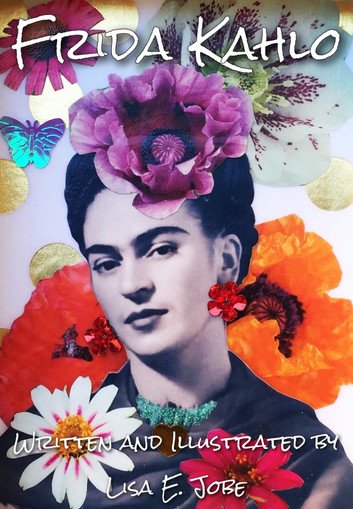
Description
Frida Kahlo: An Icon of Pain, Passion, and Artistic Revolution
“Frida Kahlo” by Lisa E. Jobe offers an intimate portrait of one of history’s most compelling artists. This biography explores how Frida Kahlo transformed personal suffering into powerful, unforgettable art. Moreover, it examines her revolutionary impact on modern art and feminist consciousness. The book reveals the woman behind the iconic self-portraits and bold eyebrows.
Frida Kahlo’s life was marked by physical pain, emotional turmoil, and unwavering creative determination. She refused to let disability or societal expectations limit her artistic vision or personal expression. Furthermore, her work challenged conventions about beauty, femininity, and what art could represent. This biography captures the complexity of an artist who became a global cultural phenomenon.
Lisa E. Jobe and The Artist Series
Lisa E. Jobe created The Artist Series to make art history accessible to general readers. She writes with clarity and passion about artists who changed how we see the world. Additionally, Jobe focuses on the human stories behind famous artworks and artistic movements. Her approach combines biographical detail with analysis of artistic significance and cultural context.
The Artist Series presents concise, engaging biographies that illuminate artists’ lives and creative processes. Jobe avoids academic jargon while maintaining intellectual rigor and historical accuracy throughout her work. Moreover, she emphasizes how artists’ personal experiences shaped their artistic visions and contributions. This format makes art history approachable for readers without specialized knowledge or training.
In “Frida Kahlo,” Jobe brings her signature style to one of art’s most fascinating figures. She explores how Kahlo’s Mexican heritage, physical disabilities, and tumultuous relationships influenced her distinctive artistic voice. Furthermore, Jobe examines why Kahlo’s work resonates so powerfully with contemporary audiences worldwide. The biography balances personal narrative with artistic analysis in an accessible, compelling manner.
Early Life: The Making of an Artist
Frida Kahlo was born in 1907 in Coyoacán, Mexico, during a time of political upheaval. Her childhood was marked by illness; she contracted polio at age six. Moreover, the disease left her with a withered right leg that caused lifelong pain. Despite this disability, young Frida showed remarkable resilience and determination to live fully.
Kahlo’s father, Guillermo, was a photographer who encouraged her intellectual curiosity and artistic interests. He taught her about art, literature, and the importance of observing the world carefully. Additionally, he supported her education at a time when few Mexican girls attended school. This encouragement proved crucial in developing Kahlo’s confidence and creative ambitions.
In 1922, Kahlo enrolled at the prestigious National Preparatory School in Mexico City. She was one of only thirty-five girls among two thousand students at the institution. Furthermore, she excelled academically and planned to study medicine before fate intervened dramatically. Her time there exposed her to intellectual movements and political ideas shaping modern Mexico.
The Accident That Changed Everything
On September 17, 1925, a bus accident nearly killed eighteen-year-old Frida Kahlo. A streetcar collided with her bus, and a metal handrail impaled her body. Moreover, the accident fractured her spine, pelvis, ribs, and right leg in multiple places. She would undergo more than thirty surgeries throughout her life to address these injuries.
Kahlo spent months in bed recovering from the devastating accident and its immediate complications. During this period, she began painting seriously for the first time in her life. Additionally, her mother installed a special easel that allowed her to paint while lying down. This forced immobility became the catalyst for her artistic career and unique vision.
The accident’s physical and psychological impact shaped everything Kahlo would create as an artist. Pain became her constant companion and primary subject matter in her deeply personal work. Furthermore, she developed a visual language for expressing suffering that transcended cultural boundaries. Her art transformed private agony into universal statements about human experience and resilience.
Artistic Style: Surrealism and Self-Expression
Frida Kahlo created highly personal, symbolic paintings that defied easy categorization or conventional artistic labels. Art critics often called her work surrealist, but she rejected this classification emphatically. Moreover, she insisted that she painted her own reality rather than dreams or fantasies. Her work drew from Mexican folk art, indigenous symbolism, and Catholic imagery.
Kahlo’s distinctive artistic elements included:
- Unflinching self-portraits exploring identity, pain, and transformation
- Vibrant colors reflecting Mexican culture and folk art traditions
- Symbolic imagery drawn from nature, mythology, and personal experience
- Detailed depictions of physical suffering and emotional anguish
- Integration of Mexican and indigenous cultural symbols and motifs
- Small-scale paintings with intense, intimate emotional impact
Kahlo’s self-portraits constitute the majority of her artistic output and most powerful work. She painted herself repeatedly, exploring different aspects of her identity and experience. Additionally, these works documented her physical deterioration, emotional states, and evolving self-understanding. Each self-portrait functioned as both mirror and mask, revealing and concealing simultaneously.
Her technique combined meticulous detail with bold, expressive color choices and symbolic elements. She worked primarily in oil on small canvases, creating jewel-like paintings of remarkable intensity. Furthermore, her compositions often featured herself as the central figure surrounded by meaningful symbols. This approach created deeply personal works that nonetheless spoke to universal human experiences.
Diego Rivera: Love, Art, and Turbulence
In 1928, Frida Kahlo met Diego Rivera, Mexico’s most famous muralist and a controversial figure. Despite their twenty-one-year age difference, they married in 1929 in a union both passionate and tumultuous. Moreover, their relationship would profoundly influence both artists’ work and public personas. They became Mexico’s most famous artistic couple, celebrated and scrutinized in equal measure.
Rivera recognized and encouraged Kahlo’s artistic talent from their earliest encounters and throughout their marriage. He promoted her work to collectors, critics, and fellow artists in Mexico and abroad. Additionally, he provided financial support that allowed her to focus on painting. However, his numerous infidelities caused Kahlo tremendous emotional pain that she channeled into her art.
The couple divorced in 1939 but remarried in 1940, unable to live apart despite their difficulties. Their relationship embodied the passion, creativity, and conflict that characterized both their lives. Furthermore, Rivera’s communist politics and artistic philosophy influenced Kahlo’s own political engagement and artistic development. They remained together until Kahlo’s death in 1954, their bond surviving betrayals and separations.
Pain as Artistic Subject
Physical suffering dominated Frida Kahlo’s life and became the central theme of her most powerful paintings. She endured constant pain from her childhood polio, the bus accident, and subsequent surgeries. Moreover, she experienced multiple miscarriages that caused profound emotional and physical trauma. Her art transformed this private agony into visual statements of remarkable power and honesty.
Kahlo painted her broken body with unflinching directness that shocked viewers accustomed to idealized representations. She depicted herself in medical corsets, with exposed wounds, and undergoing painful procedures. Additionally, she used symbolic imagery to represent emotional pain alongside physical suffering. This approach created art that was simultaneously deeply personal and universally resonant.
Her willingness to depict suffering honestly challenged artistic conventions about appropriate subject matter. She refused to beautify or romanticize pain in ways that made it palatable. Furthermore, she insisted on representing her own experience rather than accepting others’ interpretations. This radical honesty made her work controversial but also gave it extraordinary emotional impact.
Mexican Identity and Cultural Pride
Frida Kahlo embraced her Mexican heritage and indigenous roots with fierce pride and determination. She wore traditional Tehuana dresses and pre-Columbian jewelry as statements of cultural identity. Moreover, she incorporated Mexican folk art traditions and indigenous symbolism into her sophisticated artistic practice. This fusion created a distinctive visual language that was both modern and deeply rooted.
Kahlo’s art celebrated Mexican culture during a period of intense nationalism following the revolution. She depicted Mexican landscapes, plants, animals, and cultural symbols with love and reverence. Additionally, she collected Mexican folk art and pre-Columbian artifacts that influenced her aesthetic sensibility. Her work helped establish Mexican art as significant on the international stage.
Her commitment to Mexican identity extended beyond aesthetics to political engagement and social consciousness. She supported communist causes and advocated for indigenous rights and cultural preservation. Furthermore, she used her art to challenge European cultural dominance and assert Mexican cultural value. This political dimension added depth and significance to her artistic contributions and legacy.
International Recognition and Exhibitions
During her lifetime, Frida Kahlo achieved significant recognition, though less than she deserved. She exhibited in New York, Paris, and Mexico City to critical acclaim and growing interest. Moreover, the Louvre purchased one of her paintings, making her the first Mexican artist so honored. However, her work remained less famous than Rivera’s until decades after her death.
Kahlo’s 1938 exhibition in New York marked her first solo show and introduced American audiences to her unique vision. Critics praised her work’s emotional intensity, technical skill, and distinctive cultural perspective. Additionally, she traveled to Paris in 1939, where she met surrealist artists and exhibited successfully. These international exhibitions established her reputation beyond Mexico’s borders and artistic circles.
Despite this recognition, Kahlo struggled financially and remained in Rivera’s shadow throughout her life. She sold relatively few paintings and depended on Rivera’s income and connections. Furthermore, the art world’s sexism limited opportunities for women artists regardless of talent. Only after her death did Kahlo receive the recognition her extraordinary work deserved.
Legacy: From Artist to Icon
Frida Kahlo’s reputation and influence have grown exponentially since her death in 1954. She has become a global cultural icon representing strength, creativity, and defiant individuality. Moreover, her image appears on everything from t-shirts to coffee mugs to museum exhibitions. This popularization has made her one of history’s most recognizable and celebrated artists.
The feminist movement embraced Kahlo as a symbol of female strength and artistic achievement. Her unflinching self-portraits and honest depiction of women’s experiences resonated with feminist consciousness. Additionally, her refusal to conform to conventional beauty standards or feminine behavior inspired generations. She demonstrated that women could be artists, not merely muses or subjects.
Contemporary artists continue drawing inspiration from Kahlo’s bold self-expression and symbolic visual language. Her influence extends across painting, photography, performance art, and popular culture worldwide. Furthermore, her life story has inspired countless books, films, plays, and artistic tributes. She remains relevant because her themes—pain, identity, love, loss—are eternally human.
Why This Biography Matters
Lisa E. Jobe’s “Frida Kahlo” provides an accessible introduction to an artist whose work demands attention. The biography helps readers understand the woman behind the iconic image and self-portraits. Moreover, it explains why Kahlo’s art continues resonating with audiences decades after her death. This book serves as both historical document and contemporary inspiration for readers.
Understanding Frida Kahlo’s life illuminates her art’s meaning and emotional power more fully. Jobe connects biographical details to specific paintings and artistic choices throughout the narrative. Additionally, she explores how Kahlo’s personal experiences shaped her unique artistic vision. This approach helps readers appreciate the depth and significance of Kahlo’s artistic contributions.
The biography also demonstrates how one woman’s courage and creativity can inspire millions worldwide. Kahlo transformed suffering into beauty and weakness into strength through her remarkable art. Furthermore, she showed that disability and pain need not prevent artistic achievement or full living. Her example continues encouraging people facing their own challenges and seeking authentic self-expression.
Conclusion: The Enduring Power of Frida Kahlo
“Frida Kahlo” by Lisa E. Jobe celebrates an artist whose work transcends time and cultural boundaries. The biography captures the complexity of a woman who was simultaneously vulnerable and fierce. Moreover, it explains why Kahlo’s paintings continue moving viewers with their honesty and emotional intensity. This book ensures that new generations will discover and appreciate Kahlo’s extraordinary artistic legacy.
Frida Kahlo’s life demonstrates that great art can emerge from suffering when channeled through courage. Her paintings transformed personal pain into universal statements about human experience and resilience. Additionally, her example shows that authenticity and self-expression matter more than conformity or approval. These lessons remain as relevant today as when Kahlo first painted them.
This biography ultimately argues that Frida Kahlo’s significance extends far beyond her paintings alone. She represents the power of art to heal, challenge, and transform both creator and viewer. Furthermore, her life story inspires anyone struggling to find their voice or overcome obstacles. “Frida Kahlo” stands as essential reading for understanding one of art history’s most compelling figures.





Reviews
There are no reviews yet.