

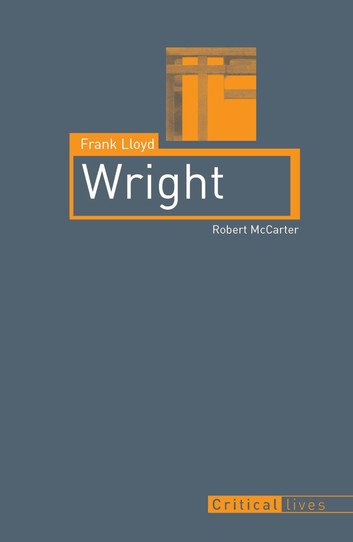
Description
Frank Lloyd Wright: A Comprehensive Look at Robert McCarter’s Definitive Biography
Robert McCarter’s “Frank Lloyd Wright” offers readers an intimate portrait of America’s most celebrated architect. This volume from the Critical Lives series explores Wright’s revolutionary designs and tumultuous personal journey. Moreover, it provides essential context for understanding his lasting impact on modern architecture. The biography balances scholarly rigor with accessible storytelling, making it perfect for both enthusiasts and newcomers.
Understanding Frank Lloyd Wright’s Revolutionary Vision
McCarter’s biography delves deep into Wright’s architectural philosophy. The book examines how Wright rejected traditional European styles. Instead, he championed organic architecture that harmonized with nature. Furthermore, McCarter explains Wright’s belief that buildings should grow from their sites naturally.
The author traces Wright’s development of the Prairie School style. These low-slung homes featured horizontal lines and open floor plans. Additionally, they incorporated natural materials like wood and stone. Wright believed American architecture needed its own identity, separate from European traditions.
McCarter illustrates how Wright’s philosophy evolved throughout his career. The architect constantly experimented with new forms and materials. However, his core principles remained consistent: unity, simplicity, and harmony with nature.
Frank Lloyd Wright’s Most Iconic Architectural Achievements
The biography provides detailed analysis of Wright’s masterworks. McCarter examines Fallingwater, perhaps Wright’s most famous creation. This Pennsylvania residence cantilevers dramatically over a waterfall. Moreover, it exemplifies Wright’s organic architecture principles perfectly.
The book explores the Guggenheim Museum in New York City. Wright designed this spiraling structure late in his career. Consequently, it represents his mature vision and innovative spirit. The museum’s continuous ramp challenged conventional gallery design.
McCarter also discusses Wright’s Usonian homes. These affordable houses democratized good design for middle-class Americans. Furthermore, they featured radiant floor heating and carports. Wright believed beautiful architecture shouldn’t be reserved for the wealthy.
The Prairie Houses That Defined an Era
The Robie House receives extensive coverage in McCarter’s text. This Chicago masterpiece showcases Wright’s Prairie style at its peak. The home’s dramatic overhanging eaves and ribbon windows became iconic. Additionally, its open interior plan revolutionized domestic architecture.
McCarter examines other significant Prairie houses throughout the Midwest. These designs influenced generations of architects worldwide. Therefore, understanding them is crucial to appreciating Wright’s legacy.
The Personal Life Behind the Architectural Genius
McCarter doesn’t shy away from Wright’s complicated personal life. The architect’s romantic relationships often caused scandal and controversy. His affair with Mamah Borthwick Cheney ended tragically in 1914. A deranged servant murdered Cheney and six others at Taliesin.
Wright married three times throughout his long life. His relationships were often turbulent and unconventional for the era. However, these experiences influenced his architectural philosophy and creative output. McCarter explores these connections with sensitivity and insight.
The biography examines Wright’s financial struggles despite his fame. He frequently overspent on projects and personal expenses. Consequently, he faced bankruptcy and creditor problems multiple times. These challenges never diminished his creative ambition or productivity.
Wright’s Apprenticeship System and Taliesin Fellowship
McCarter details Wright’s establishment of the Taliesin Fellowship in 1932. This apprenticeship program trained young architects in Wright’s methods. Students lived and worked alongside the master at Taliesin. Moreover, they participated in all aspects of community life.
The Fellowship became Wright’s legacy beyond individual buildings. Apprentices spread his philosophy across America and beyond. Furthermore, many became influential architects in their own right. This educational model reflected Wright’s belief in learning through doing.
Key Themes Explored in McCarter’s Biography
McCarter organizes his analysis around several central themes:
- Organic Architecture: Wright’s philosophy of designing in harmony with nature
- Democratic Design: His commitment to creating beautiful spaces for all Americans
- Innovation: Constant experimentation with materials, forms, and construction techniques
- Japanese Influence: How Eastern aesthetics shaped Wright’s Western modernism
- Individualism: Wright’s fierce independence and rejection of architectural conventions
- Integration: His holistic approach to designing buildings, furniture, and landscapes together
These themes weave throughout the narrative, providing coherent structure. Additionally, they help readers understand Wright’s consistent vision across seven decades.
The Lasting Legacy of America’s Greatest Architect
McCarter concludes by examining Wright’s enduring influence on architecture. His ideas about open floor plans became standard in modern homes. Furthermore, his emphasis on natural materials remains relevant today. Contemporary architects continue drawing inspiration from his innovative designs.
The book discusses Wright’s impact beyond residential architecture. His commercial buildings, churches, and public spaces broke new ground. Therefore, his influence extends across multiple building types and scales. Wright proved that functional structures could also be beautiful art.
McCarter explores how Wright’s reputation has evolved since his death. Initially, some critics dismissed his work as dated or impractical. However, subsequent generations recognized his genius and prescience. Today, Wright stands as one of history’s most important architects.
Why Robert McCarter’s Biography Matters
McCarter brings unique qualifications to this biographical project. As an architect and scholar, he understands Wright’s technical innovations. Moreover, his clear writing makes complex concepts accessible to general readers. This combination makes the book valuable for diverse audiences.
The Critical Lives series format suits Wright’s story perfectly. It balances biographical narrative with critical analysis of his work. Furthermore, the book’s manageable length makes it less intimidating than massive academic tomes. Readers get comprehensive coverage without overwhelming detail.
McCarter’s research draws on extensive primary sources and archival materials. He consulted Wright’s writings, drawings, and correspondence. Additionally, he visited many of Wright’s buildings personally. This thorough approach ensures accuracy and depth throughout the biography.
Understanding Wright’s Architectural Philosophy Through McCarter’s Lens
The biography excels at explaining Wright’s theoretical foundations. McCarter clarifies how Wright developed his organic architecture concept. The architect believed buildings should appear to grow from their sites. Therefore, he carefully studied each location’s topography, climate, and character.
Wright rejected the “box” as architecture’s fundamental unit. Instead, he emphasized flowing spaces that interconnected seamlessly. Moreover, he eliminated unnecessary walls and barriers. This openness created homes that felt spacious despite modest square footage.
McCarter explains Wright’s use of natural materials with great clarity. Stone, wood, and brick connected buildings to their surroundings. Furthermore, Wright often sourced materials locally when possible. This practice reduced costs while strengthening the site-building relationship.
The Influence of Japanese Design on Wright’s Work
The book explores Wright’s fascination with Japanese architecture and art. He collected Japanese prints and studied their compositional principles. Consequently, his designs incorporated asymmetry, simplicity, and natural materials. The influence appears throughout his career, from early to late works.
Wright visited Japan and designed the Imperial Hotel in Tokyo. This experience deepened his appreciation for Japanese aesthetics. Moreover, it reinforced his belief in architecture’s spiritual dimension. McCarter traces these influences through specific design elements and spatial concepts.
Wright’s Relationship with Clients and Collaborators
McCarter examines how Wright worked with the people who commissioned buildings. The architect was notoriously difficult and controlling with clients. He insisted on designing every detail, including furniture and decorative elements. However, this totalizing approach created remarkably unified environments.
The biography discusses Wright’s relationships with his apprentices and employees. He inspired fierce loyalty in some and resentment in others. Furthermore, he took credit for work that collaborators contributed significantly toward. McCarter presents these complexities without excessive judgment or hagiography.
Wright’s business practices often created problems for his clients. Projects typically ran over budget and behind schedule. Additionally, some of his innovative designs had practical problems. Roofs leaked, heating systems failed, and maintenance proved challenging. Nevertheless, clients usually forgave these issues because the results were stunning.
The Evolution of Wright’s Style Across Seven Decades
McCarter traces Wright’s stylistic development chronologically through the biography. His early work showed Victorian influences before developing the Prairie style. Moreover, the 1920s brought experimentation with textile-block construction in California. Each period revealed new facets of his creative genius.
The biography examines Wright’s “Usonian” period during the 1930s and 1940s. These modest homes made his design principles accessible to middle-class families. Furthermore, they incorporated innovative features like radiant heating and clerestory windows. Wright proved that economy and beauty could coexist harmoniously.
McCarter discusses Wright’s late-career masterpieces with particular enthusiasm. The Guggenheim Museum and other projects showed undiminished creative power. Therefore, Wright remained relevant and innovative into his nineties. Few architects maintain such productivity and originality throughout their lives.
Critical Reception and Historical Context
The book situates Wright within broader architectural and cultural movements. McCarter explains how Wright both influenced and resisted modernism. He shared modernists’ rejection of historical styles and ornament. However, he criticized their cold, machine-like aesthetic and lack of warmth.
Wright’s relationship with European modernists was complex and sometimes contentious. He claimed they borrowed his ideas without proper acknowledgment. Moreover, he insisted that American architecture should develop independently. This nationalism reflected broader cultural currents in early twentieth-century America.
McCarter examines how critics and historians have evaluated Wright’s work. Contemporary reviews were often mixed, praising innovation while questioning practicality. Furthermore, some critics found his personality off-putting and self-aggrandizing. The biography presents these varied perspectives fairly and comprehensively.
Why Readers Should Explore This Biography
Robert McCarter’s “Frank Lloyd Wright” succeeds on multiple levels simultaneously. It provides comprehensive coverage of Wright’s life and work. Moreover, it offers insightful analysis of his architectural philosophy and methods. The writing remains accessible without sacrificing scholarly rigor or depth.
Architecture students will find the technical discussions particularly valuable. McCarter explains Wright’s construction innovations and spatial strategies clearly. Additionally, the book includes helpful references to specific buildings and projects. These details support further research and deeper exploration.
General readers will appreciate the engaging narrative and biographical elements. Wright’s dramatic life story reads almost like fiction at times. Furthermore, McCarter balances personal details with professional achievements effectively. The result is a well-rounded portrait of a complex genius.
Conclusion: A Definitive Portrait of an American Icon
Robert McCarter’s biography stands as an essential introduction to Frank Lloyd Wright. The book successfully balances breadth and depth across its focused length. Moreover, it makes Wright’s revolutionary ideas accessible to contemporary readers. Anyone interested in architecture, design, or American cultural history will benefit.
The Critical Lives series format proves ideal for Wright’s multifaceted story. McCarter covers seven decades of work without becoming overwhelming or tedious. Furthermore, his architect’s perspective provides valuable technical insights throughout. The biography respects both Wright’s genius and his significant flaws.
Readers finish the book with comprehensive understanding of Wright’s achievements. They grasp his architectural philosophy and its practical applications. Additionally, they understand the personal struggles that shaped his creative vision. McCarter has created a balanced, informative, and engaging portrait.
This biography deserves a place on every architecture enthusiast’s bookshelf. It serves equally well as an introduction or refresher on Wright’s work. Therefore, both newcomers and longtime admirers will find value here. McCarter has written a worthy tribute to America’s greatest architect.





Reviews
There are no reviews yet.