

Description
Face Value: How Photography Killed Portrait Painting in the Victorian Era
Discover the Revolutionary Shift That Changed Art Forever
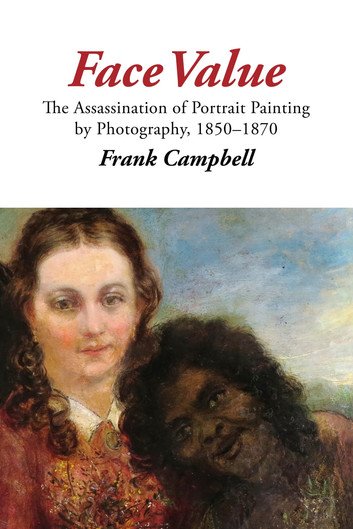
Face Value by Frank Campbell examines a pivotal moment in art history. Photography emerged in the 1850s and transformed portrait painting forever. Moreover, this technological revolution changed how people saw themselves and others. Campbell explores the dramatic twenty-year period when cameras replaced paintbrushes.
Portrait painters dominated visual culture for centuries before photography’s invention. However, the new medium offered something painters couldn’t match: speed and affordability. Therefore, traditional portraitists faced an existential crisis that reshaped the art world.
The Death of an Ancient Profession
Portrait painting thrived as a lucrative profession for hundreds of years. Wealthy patrons commissioned artists to capture their likenesses for posterity. Furthermore, these paintings served as status symbols and family heirlooms simultaneously.
Photography arrived and disrupted this established order almost immediately after its invention. The daguerreotype process made portraits accessible to middle-class families for the first time. Consequently, portrait painters watched their clientele disappear to photographic studios rapidly.
Campbell documents how this shift happened faster than anyone anticipated initially. Within two decades, photography became the dominant form of portraiture completely. Moreover, thousands of portrait painters lost their livelihoods during this transition.
Face Value: Campbell’s Groundbreaking Analysis
Frank Campbell’s Face Value offers the first comprehensive study of this transformation. He examines primary sources including artists’ letters, studio records, and contemporary accounts. Additionally, he analyzes the economic data that reveals the scale of change.
The book challenges common assumptions about photography’s gradual acceptance in society. Campbell proves that the transition happened rapidly and devastatingly for painters. Therefore, his research rewrites our understanding of this crucial period entirely.
His analysis reveals how portrait painters responded to the photographic threat. Some adapted by incorporating photography into their working methods strategically. However, many others simply abandoned portraiture for other painting genres instead.
The Golden Age of Portrait Painting Ends
The 1850s represented the peak of portrait painting’s commercial success. Thousands of professional portraitists worked in Europe and America during this decade. Moreover, apprentices trained for years to master the demanding technical skills required.
Portrait commissions provided steady income that supported entire families and studios. Artists charged substantial fees that reflected their expertise and social standing. Furthermore, waiting lists for popular portraitists extended months or even years.
This prosperity ended abruptly when photographic studios opened in every major city. The new technology produced likenesses in minutes rather than weeks or months. Therefore, practical considerations drove customers away from painters toward photographers inevitably.
Photography’s Unstoppable Advantages Over Painting
Photography offered multiple advantages that portrait painting simply couldn’t match effectively:
- Speed: Photographs took minutes instead of multiple sitting sessions
- Cost: Camera portraits cost a fraction of painted commissions
- Accuracy: Photography captured exact likenesses without artistic interpretation
- Accessibility: Middle-class families could finally afford permanent portraits
- Convenience: Sitters endured brief sessions rather than hours of posing
- Reproducibility: Multiple copies could be made from a single negative
- Novelty: The new technology fascinated Victorian society immensely
The Economic Collapse of Portrait Studios
Campbell documents the financial devastation that photography inflicted on portrait painters. Studio records show dramatic revenue declines beginning in the mid-1850s. Moreover, many established portraitists declared bankruptcy within a few years of photography’s arrival.
The economic impact extended beyond individual artists to entire supply chains. Canvas makers, frame makers, and art suppliers all suffered declining sales. Therefore, the photographic revolution disrupted the entire portrait painting ecosystem completely.
Young artists abandoned portrait training as career prospects evaporated before them. Art academies struggled to fill portrait painting classes that once overflowed. However, landscape and history painting programs continued attracting students throughout this period.
Artists’ Desperate Responses to the Crisis
Portrait painters employed various strategies to survive the photographic onslaught unsuccessfully. Some lowered their prices dramatically to compete with photographic studios directly. However, this approach merely delayed the inevitable while reducing their income.
Others emphasized painting’s artistic qualities that photography supposedly lacked at that time. They argued that painted portraits captured the soul while photographs remained mechanical. Nevertheless, customers prioritized affordability and convenience over these abstract artistic claims.
A few innovative painters incorporated photography into their working process strategically. They used photographs as reference materials to reduce sitting time required. Therefore, these adaptable artists survived longer than their more traditional colleagues.
The Cultural Shift in How Society Viewed Portraits
Face Value explores how photography changed society’s relationship with portraiture fundamentally. Portraits transformed from rare luxury items into common household possessions. Moreover, this democratization altered how people understood their own images completely.
The painted portrait had carried symbolic weight beyond mere representation previously. It signified wealth, status, and cultural refinement to viewers and subjects. However, photographic portraits became everyday objects without the same cultural significance.
Campbell argues that this shift diminished portraiture’s importance in Victorian culture. Photographs became disposable commodities rather than precious heirlooms to treasure forever. Therefore, the medium’s accessibility paradoxically reduced its perceived value in society.
The Technical Limitations Photography Overcame
Early photography faced significant technical challenges that initially limited its appeal. Long exposure times required subjects to remain motionless for uncomfortable periods. Furthermore, the daguerreotype process produced fragile images that required careful handling.
Despite these limitations, photography improved rapidly throughout the 1850s and 1860s. Exposure times decreased from minutes to seconds as technology advanced quickly. Moreover, new processes like the wet collodion method produced sharper images.
By 1870, photography had overcome most technical obstacles that once hindered it. Cameras captured fine details that even skilled painters struggled to render. Therefore, photography’s technical superiority became undeniable to even skeptical observers finally.
Portrait Painters Who Survived the Transition
Campbell profiles the few portrait painters who successfully navigated this turbulent period. These survivors typically served elite clientele who valued painting’s prestige specifically. Moreover, they often specialized in large-scale formal portraits unsuitable for photography.
John Singer Sargent and other society portraitists thrived by emphasizing exclusivity. Their expensive commissions remained beyond middle-class budgets despite photographic competition. Therefore, they carved out a niche market that photography couldn’t penetrate.
Some painters transitioned into photographic retouching and hand-coloring to survive economically. This hybrid approach combined both mediums to create enhanced photographic portraits. However, this work paid far less than traditional portrait commissions previously.
The Artistic Consequences of Photography’s Dominance
Photography’s triumph over portrait painting had profound consequences for art’s development. Freed from portraiture’s commercial demands, painters explored new subjects and styles. Moreover, this liberation contributed to modernism’s emergence in the late nineteenth century.
Impressionism and other avant-garde movements emerged partly because portraiture no longer sustained artists. Painters pursued personal artistic visions rather than client satisfaction and commercial success. Therefore, photography inadvertently accelerated art’s evolution toward abstraction and experimentation.
Campbell argues that portrait painting’s death enabled modern art’s birth paradoxically. The economic necessity that once constrained artists disappeared with photographic competition. However, this freedom came at tremendous personal cost for displaced portraitists.
Face Value: Why This Book Matters Today
Frank Campbell’s Face Value illuminates a crucial but overlooked moment in art history. The book demonstrates how technology can disrupt established professions almost overnight. Moreover, it offers lessons relevant to today’s AI-driven disruptions across industries.
The parallels between 1850s photography and contemporary digital disruption are striking. Both technologies democratized access while destroying traditional livelihoods and business models. Therefore, Campbell’s historical analysis provides perspective on current technological transformations happening.
Understanding this period helps us appreciate how artists adapt to existential challenges. The portrait painters’ responses—denial, adaptation, or career change—mirror contemporary creative professionals’ choices. However, Campbell shows that resistance to inevitable technological change proves futile ultimately.
The Research Behind Campbell’s Groundbreaking Study
Frank Campbell spent years researching archives across Europe and America for this book. He examined thousands of documents including studio ledgers, correspondence, and exhibition records. Moreover, he analyzed census data tracking portrait painters’ occupational shifts over time.
His research reveals patterns that previous art historians had overlooked or misunderstood. Campbell quantifies the economic impact with unprecedented precision and statistical rigor. Therefore, his work establishes new standards for art historical research methodology.
The book includes extensive footnotes and bibliography for scholars seeking deeper exploration. However, Campbell writes accessibly for general readers interested in art history. His narrative balances scholarly thoroughness with engaging storytelling throughout the text.
The Human Stories Behind the Statistics
Beyond economic data, Campbell shares poignant stories of individual artists’ struggles. He profiles painters who watched their careers collapse despite decades of training. Moreover, he documents the psychological toll this professional extinction inflicted on practitioners.
Letters reveal artists’ confusion, anger, and despair as their world transformed. Many couldn’t comprehend how a mechanical process could replace human artistry. Therefore, they clung to beliefs about painting’s superiority even as bankruptcy loomed.
Some artists’ stories end tragically with poverty, alcoholism, or suicide following ruin. Others show remarkable resilience as painters reinvented themselves in new careers. However, all these personal narratives illustrate the human cost of technological disruption.
Photography’s Unexpected Artistic Limitations
Ironically, photography’s triumph over portrait painting proved less complete than initially expected. Early photographers struggled to achieve the artistic effects that painters created naturally. Moreover, the medium’s mechanical nature limited creative expression in unexpected ways.
Painted portraits could flatter subjects through subtle idealization and artistic interpretation. Photography captured reality with unflinching accuracy that sometimes displeased sitters greatly. Therefore, some wealthy patrons continued commissioning painted portraits for this reason.
Campbell notes that photography eventually developed its own artistic language and aesthetics. However, this evolution took decades and required photographers to study painting’s principles. The relationship between the mediums became more complex than simple replacement.
The Legacy of Portrait Painting’s Assassination
Portrait painting never regained its former commercial dominance after photography’s emergence. The profession transformed from widespread trade into rare luxury service permanently. Moreover, painted portraits became nostalgic throwbacks rather than contemporary necessities for most people.
Yet portrait painting survived in diminished form serving niche markets and purposes. Contemporary portrait painters work primarily for wealthy collectors and institutional commissions. Therefore, the tradition continues but serves entirely different social functions than before.
Campbell argues that understanding this transformation helps us appreciate both mediums better. Photography didn’t simply replace painting but changed what painting could be. However, the transition period from 1850-1870 witnessed genuine tragedy for displaced artists.
Perfect for Art Historians and Technology Enthusiasts
Face Value appeals to readers interested in art history, technology, and economics. Art historians will appreciate Campbell’s meticulous research and fresh analytical perspective. Moreover, his arguments challenge conventional narratives about photography’s gradual acceptance in society.
Technology enthusiasts will recognize familiar patterns in how disruptive innovations transform industries. The book provides historical context for understanding contemporary technological disruptions across fields. Therefore, it offers insights beyond art history into broader innovation dynamics.
General readers will enjoy Campbell’s engaging narrative style and human stories. He makes complex economic and artistic concepts accessible without oversimplification or condescension. Furthermore, the book’s themes resonate with anyone experiencing professional disruption today.
Lessons for Contemporary Creative Professionals
Campbell’s historical analysis offers valuable lessons for today’s creative professionals facing disruption. The portrait painters’ experiences demonstrate both successful and unsuccessful adaptation strategies clearly. Moreover, their stories illustrate the importance of recognizing inevitable change early.
Artists who acknowledged photography’s advantages and adapted survived longer than those denying reality. Flexibility and willingness to learn new skills proved crucial for navigating transition. Therefore, Campbell’s book serves as both history and cautionary tale simultaneously.
The book also shows that technological disruption creates new opportunities alongside destruction. Photography opened careers for thousands of photographers who replaced displaced painters. However, this creative destruction offers little comfort to those whose livelihoods disappear.
Conclusion: Understanding Art’s Most Dramatic Transformation
Face Value by Frank Campbell documents one of art history’s most dramatic transformations. Photography’s emergence between 1850 and 1870 fundamentally altered portrait painting’s role forever. Moreover, this shift changed how society created, consumed, and valued personal images.
Campbell’s research reveals the speed and totality of this transformation with unprecedented clarity. His work corrects misconceptions about photography’s gradual acceptance in Victorian society. Therefore, the book rewrites our understanding of this crucial period in art history.
The story Campbell tells resonates beyond its historical moment into our present. Technology continues disrupting creative professions in ways that echo the 1850s portrait crisis. Face Value helps us understand these patterns while honoring the human cost of progress and innovation throughout history.






Reviews
There are no reviews yet.