

Description
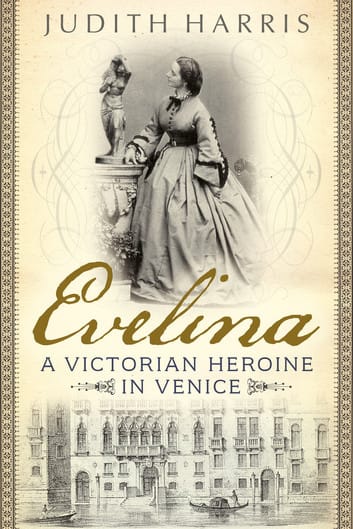
Evelina: A Victorian Woman’s Journey Through Italy’s Most Romantic City
“Evelina: A Victorian Heroine in Venice” tells the captivating story of Evelina Venice, a remarkable woman navigating 19th-century Italian society. Judith Harris brings this historical figure to life with vivid detail. Moreover, the book explores themes of independence, art, and cultural transformation. Furthermore, it reveals how one woman challenged Victorian conventions in extraordinary ways.
The Historical Setting of Evelina Venice
The story unfolds during the Victorian era when Venice faced significant changes. Italy was experiencing political upheaval and cultural renaissance simultaneously. Additionally, Venice served as a crossroads for European artists and intellectuals. Consequently, the city became a perfect backdrop for Evelina’s adventures.
Victorian society imposed strict rules on women’s behavior and opportunities. However, Venice offered more freedom than traditional English society allowed. Therefore, many independent women sought refuge in this romantic city. The canals and palazzos provided both beauty and anonymity.
Harris meticulously researches the historical context of 1800s Venice. She describes the architecture, social customs, and political climate accurately. Moreover, she captures the tension between old aristocracy and emerging modernity. The setting becomes a character itself within the narrative.
Who Was Evelina: Character and Background
Evelina emerges as a complex and compelling Victorian heroine. She possessed intelligence, courage, and artistic sensibility beyond her time. Furthermore, she refused to accept the limitations society placed on women. Her determination to live authentically drives the entire narrative forward.
Born into respectable but modest circumstances, Evelina faced limited options. Victorian women typically married young or remained dependent on male relatives. However, Evelina chose a different path that scandalized her family. She pursued education, art, and personal freedom with unwavering commitment.
Her personality combined practicality with romantic idealism in fascinating ways. She could navigate social situations skillfully when necessary for survival. Additionally, she maintained her principles even when facing severe consequences. This balance made her both relatable and admirable to readers.
Evelina Venice: The Journey to Italy
Evelina’s decision to travel to Venice required tremendous courage and planning. Victorian women rarely traveled alone, especially to foreign countries. Moreover, such independence could ruin a woman’s reputation permanently. Nevertheless, Evelina recognized that staying in England meant surrendering her dreams.
The journey itself presented numerous challenges and unexpected adventures. She encountered fellow travelers who both helped and hindered her progress. Furthermore, she learned to navigate unfamiliar customs and languages quickly. Each obstacle strengthened her resolve and resourcefulness significantly.
Upon arriving in Venice, Evelina felt both exhilarated and overwhelmed. The city’s beauty exceeded even her most romantic expectations completely. However, she also faced practical concerns about money and accommodation. The initial weeks tested her determination and adaptability thoroughly.
Life in Victorian Venice
Venice during the Victorian era attracted artists, writers, and free spirits. The city offered a unique blend of history and contemporary culture. Additionally, it provided relative freedom from rigid English social conventions. Consequently, expatriates and visitors created a vibrant international community there.
Evelina quickly discovered Venice’s artistic and intellectual circles welcomed talented women. She attended salons where ideas flowed as freely as wine. Moreover, she met painters, poets, and musicians from across Europe. These connections enriched her life and expanded her worldview dramatically.
The daily rhythms of Venetian life differed greatly from English routines. Markets bustled with color, sound, and exotic goods from distant lands. Furthermore, the absence of carriages created a quieter, more intimate atmosphere. Evelina adapted to this slower pace and found it liberating.
Artistic Pursuits and Creative Development
Evelina possessed considerable artistic talent that flourished in Venice’s inspiring environment. She studied painting with established masters who recognized her genuine ability. Additionally, she explored various mediums and techniques with passionate dedication. Her work began attracting attention from collectors and critics alike.
The Venetian light and landscape provided endless inspiration for her art. She painted canals, architecture, and the people who inhabited this magical city. Moreover, she developed a distinctive style that blended realism with emotion. Her paintings captured Venice’s essence in ways that resonated deeply.
Beyond painting, Evelina engaged with literature, music, and cultural discussions actively. She attended opera performances and literary readings regularly throughout the season. Furthermore, she contributed her own writings to small publications occasionally. This multifaceted creativity defined her identity and purpose in Venice.
Relationships and Social Connections in Evelina Venice
Evelina formed meaningful relationships that shaped her Venetian experience profoundly. She befriended other independent women who had also chosen unconventional lives. Additionally, she developed connections with Italian families who welcomed her warmly. These relationships provided both practical support and emotional fulfillment consistently.
Romantic entanglements added complexity and drama to Evelina’s Venetian years. She attracted admirers who appreciated her intelligence and artistic sensibility. However, she remained cautious about surrendering her hard-won independence for romance. The tension between love and freedom became a recurring theme.
Her social circle included:
- Fellow expatriate artists and writers seeking creative freedom
- Venetian aristocrats fascinated by her unconventional English background
- Musicians and performers from the city’s thriving cultural scene
- Intellectuals engaged in political and philosophical discussions
- Other independent women navigating similar challenges and opportunities
These diverse connections enriched Evelina’s understanding of human nature and society. She learned from each relationship while maintaining her authentic self. Moreover, these friendships sustained her through difficult periods and celebrations alike.
Challenges and Conflicts
Living independently in Victorian Venice presented constant financial and social challenges. Evelina struggled to support herself through her art and occasional teaching. Furthermore, she faced prejudice from those who disapproved of unconventional women. The pressure to conform or return to England never completely disappeared.
Family members back in England expressed concern and sometimes outright condemnation. They worried about her reputation and future security without male protection. Additionally, they failed to understand her need for artistic and personal freedom. This family tension created emotional pain despite the physical distance.
Evelina also navigated the complex politics of Venice’s artistic community carefully. Jealousies and rivalries sometimes threatened her position and opportunities there. However, she learned to handle these situations with diplomacy and grace. Her resilience in facing obstacles demonstrated her strength of character repeatedly.
Cultural and Historical Significance
Harris explores how Evelina’s story reflects broader Victorian tensions and transformations. The 19th century saw women beginning to challenge traditional gender roles. Moreover, increased travel and cultural exchange expanded people’s worldviews significantly. Evelina embodied these changes in her choices and experiences throughout.
Venice itself represented a meeting point between past glory and uncertain future. The city struggled with political changes while maintaining its cultural heritage. Additionally, it attracted people seeking alternatives to conventional society elsewhere. This unique environment enabled stories like Evelina’s to unfold naturally.
The book illuminates the lives of Victorian women who chose independence. These pioneers faced enormous obstacles but paved the way for future generations. Furthermore, their stories deserve recognition alongside more famous historical figures. Evelina represents countless women whose courage changed society gradually but permanently.
Themes of Independence and Self-Discovery
The central theme revolves around a woman’s right to self-determination and fulfillment. Evelina refused to accept that marriage was her only valid life path. Moreover, she believed women possessed the same capacity for artistic achievement. Her journey demonstrates the costs and rewards of choosing authenticity consistently.
Self-discovery emerges as Evelina explores her talents and desires freely. Venice provided the space and freedom necessary for this personal growth. Additionally, distance from English society allowed her to question inherited assumptions. She gradually defined herself on her own terms rather than society’s.
The tension between individual desires and social expectations creates ongoing drama. Evelina constantly negotiated between her needs and others’ expectations of her. However, she ultimately prioritized her own fulfillment and artistic calling above all. This choice required courage that many of her contemporaries lacked completely.
Art as Liberation and Expression
Harris emphasizes how art provided Evelina with both purpose and income. Creating beauty gave her life meaning beyond conventional domestic roles. Furthermore, her artistic success validated her unconventional choices to some degree. Art became her voice when society tried to silence independent women.
The Venetian artistic tradition inspired and challenged Evelina to grow constantly. She studied the masters while developing her own unique perspective and style. Moreover, she participated in a living artistic community rather than in isolation. This engagement enriched both her work and her personal life significantly.
Through art, Evelina connected with others across language and cultural barriers. Her paintings communicated emotions and ideas that transcended words effectively. Additionally, they provided tangible evidence of her talent and dedication to her craft. Art legitimized her presence in Venice in ways nothing else could.
The Role of Venice as Character and Setting
Venice functions as more than mere backdrop in Evelina’s story. The city’s beauty, history, and atmosphere shape her experiences and development profoundly. Moreover, Venice’s unique character enabled possibilities that wouldn’t exist elsewhere in Europe. The city becomes inseparable from Evelina’s identity and journey throughout.
Harris describes Venice with loving detail that brings the city alive. Readers experience the canals, architecture, and light through Evelina’s observant eyes. Furthermore, the author captures both the romance and the reality accurately. Venice emerges as complex, beautiful, and sometimes challenging for its inhabitants.
The city’s decline from former glory mirrors themes of transformation and adaptation. Venice adapted to changing circumstances while preserving its essential character and beauty. Similarly, Evelina transformed herself while maintaining her core values and identity. This parallel enriches the narrative’s thematic depth and resonance significantly.
Legacy and Historical Impact
Evelina’s story contributes to our understanding of Victorian women’s history importantly. She represents women who lived outside conventional narratives and historical records. Moreover, her experiences illuminate the possibilities and limitations of that era. Harris rescues this story from obscurity and gives it proper recognition.
The book demonstrates how individual choices can challenge and change society. Evelina’s independence inspired other women who knew her story personally. Furthermore, her artistic legacy survived even when her name faded temporarily. Each small act of defiance contributed to eventual broader social change.
Modern readers find inspiration in Evelina’s courage and determination still today. Her struggles with balancing personal fulfillment and social expectations remain relevant. Additionally, her story reminds us that progress requires individuals willing to take risks. The Victorian heroine’s legacy extends far beyond her own lifetime.
Why This Book Matters Today
“Evelina: A Victorian Heroine in Venice” offers valuable lessons for contemporary readers. It explores timeless questions about identity, purpose, and authentic living courageously. Moreover, it celebrates women’s achievements that history often overlooks or minimizes. The book enriches our understanding of both Victorian society and human nature.
Harris’s meticulous research brings historical accuracy to this compelling narrative. She balances scholarly detail with accessible, engaging storytelling throughout the book. Furthermore, she avoids romanticizing the past while celebrating Evelina’s genuine achievements. This honest approach strengthens the book’s credibility and emotional impact significantly.
The story resonates with anyone who has chosen an unconventional path. Evelina’s struggles and triumphs feel universal despite the historical distance. Additionally, Venice’s enduring beauty and mystery continue captivating readers and travelers. The combination creates a reading experience that educates and inspires equally.
Conclusion: Evelina’s Enduring Story
Judith Harris has crafted a remarkable portrait of courage and creativity. “Evelina: A Victorian Heroine in Venice” celebrates one woman’s extraordinary journey. Moreover, it illuminates a fascinating period in both Venetian and women’s history. The book deserves attention from anyone interested in these subjects deeply.
Evelina’s choice to pursue art and independence in Venice changed her life. Her story demonstrates that individual determination can overcome enormous societal obstacles. Furthermore, it shows how one person’s courage can inspire countless others. The Victorian heroine’s legacy continues resonating with readers across generations and cultures.
This book preserves an important story that might otherwise remain forgotten. Harris gives voice to a woman who defied expectations and lived authentically. Therefore, readers gain both historical knowledge and personal inspiration from these pages. “Evelina: A Victorian Heroine in Venice” stands as a testament to human resilience and the transformative power of art and independence.




Reviews
There are no reviews yet.