

Description
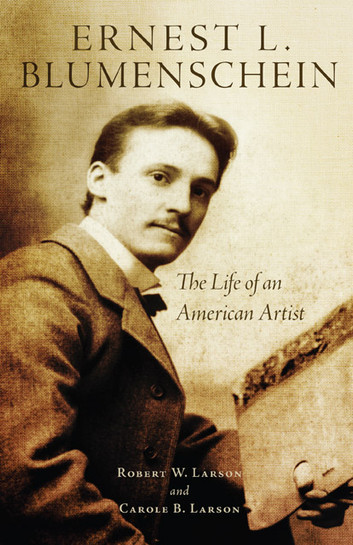
Ernest L. Blumenschein: The Definitive American Artist Biography of a Taos Pioneer
This comprehensive American artist biography chronicles Ernest L. Blumenschein’s remarkable journey from Ohio to New Mexico. Published by the University of Oklahoma Press, this volume captures the life of “Blumy.” Authors Carole B. Larson and Robert W. Larson reveal how one painter transformed American Western art forever.
Early Life: The Making of an American Artist Biography
Ernest Leonard Blumenschein was born in 1874 in Pittsburgh, Pennsylvania, though he spent his formative years in Ohio. His childhood in the Midwest shaped his artistic sensibilities. Indeed, these early experiences laid the foundation for his future career. Young Ernest showed exceptional talent from an early age.
His family recognized his abilities and encouraged his artistic pursuits. Consequently, they supported his decision to pursue formal training. This support proved crucial to his development. Furthermore, it allowed him to explore his creative potential without financial constraints.
Artistic Training: From Cincinnati to Paris
Blumenschein’s formal education began at the Cincinnati Art Academy. There, he mastered fundamental techniques and classical approaches. Moreover, he developed the discipline that would serve him throughout his career. The academy provided rigorous training in drawing and composition.
Subsequently, he moved to New York City to attend the Art Students League. This institution exposed him to contemporary American art movements. Additionally, he connected with other ambitious young artists. These relationships would prove invaluable in later years.
The Paris Years and Western Art Discovery
Like many American artists of his generation, Blumenschein traveled to Paris for advanced study. He enrolled at the prestigious Académie Julian in the 1890s. There, he refined his technique under European masters. Meanwhile, he absorbed the latest developments in French painting.
During his Paris sojourn, Blumenschein met Joseph Henry Sharp, another American painter. This meeting changed the trajectory of his entire career. Sharp had visited Taos, New Mexico, and spoke enthusiastically about the region. Furthermore, he described the extraordinary light and landscape of the Southwest.
Sharp’s descriptions captivated Blumenschein’s imagination. Therefore, he began planning his own journey to this remote territory. The idea of painting Native Americans and Western landscapes intrigued him deeply. Nevertheless, he would not visit Taos immediately upon returning to America.
The New York Illustration Years
After completing his European studies, Blumenschein established himself in New York City. He worked as a commercial illustrator for various publications. This career provided financial stability and professional recognition. Moreover, it honed his ability to work quickly and efficiently.
His illustrations appeared in prominent magazines and books. Consequently, he gained a reputation for quality and reliability. However, commercial work did not fully satisfy his artistic ambitions. Indeed, he longed to focus on fine art painting.
Additionally, Blumenschein taught at the Art Students League during this period. Teaching allowed him to share his knowledge with emerging artists. Furthermore, it kept him connected to the broader art community. These teaching experiences enriched his own understanding of artistic principles.
Discovery of Taos: A Taos Artist Is Born
In 1898, Blumenschein and fellow artist Bert Phillips embarked on a sketching trip through the Southwest. They traveled by wagon from Denver toward Mexico. However, fate intervened when their wagon wheel broke near Taos, New Mexico. This seemingly unfortunate accident proved to be a pivotal moment.
While Phillips stayed to repair the wheel, Blumenschein carried it to Taos for fixing. The twenty-mile journey gave him his first glimpse of the landscape. Moreover, he encountered the unique quality of light that Sharp had described. The experience was transformative and immediate.
The Landscape That Changed Everything
The Taos landscape overwhelmed Blumenschein with its dramatic beauty. The Sangre de Cristo Mountains rose majestically against brilliant blue skies. Furthermore, the high desert terrain offered endless visual possibilities. The Native American pueblos added cultural richness to the scenery.
Blumenschein recognized that this environment offered something unprecedented for American Western art. Therefore, he resolved to return regularly to paint. Nevertheless, he maintained his New York residence and illustration career for many years. This dual existence allowed him to balance financial needs with artistic passion.
Founding the Taos Society of Artists
In 1915, Blumenschein helped establish the Taos Society of Artists. This organization became one of the most important art colonies in American history. The founding members included Joseph Henry Sharp, Bert Phillips, Oscar Berninghaus, Irving Couse, and Herbert Dunton. Subsequently, other distinguished painters joined the society.
The Taos Society promoted Western art through traveling exhibitions across the United States. These shows introduced American audiences to Southwestern subjects and styles. Moreover, they established Taos as a significant center for artistic production. Consequently, the society elevated the status of Western painting in the national consciousness.
Goals and Impact of the Society
The Taos Society of Artists pursued several important objectives:
- Promote authentic depictions of Native American life and culture
- Showcase the unique landscape and light of New Mexico
- Establish professional standards for Western art
- Create exhibition opportunities for member artists
- Educate the public about Southwestern subjects
- Build a sustainable art market for Western paintings
- Foster artistic community and mutual support among members
These goals transformed how Americans viewed Western art. Indeed, the society’s influence extended far beyond New Mexico. Furthermore, it helped legitimize regional American art movements. The organization operated successfully until 1927, leaving a lasting legacy.
Permanent Move to Taos: Commitment to Western Art
In 1919, Blumenschein made the momentous decision to relocate permanently to Taos. This move represented his full commitment to fine art over commercial illustration. Moreover, it demonstrated his belief in the artistic potential of the Southwest. At age forty-five, he embarked on a new chapter.
The permanent relocation allowed him to immerse himself completely in his painting. Therefore, his work deepened in complexity and emotional resonance. He no longer divided his attention between commercial and fine art. Consequently, his output became more consistent and ambitious.
Life in the Taos Art Colony
Taos in the early twentieth century was a small, remote community. Nevertheless, it attracted artists, writers, and intellectuals from across America. The art colony fostered creative exchange and experimentation. Additionally, it provided a supportive environment for serious artistic work.
Blumenschein thrived in this atmosphere of creative intensity. He painted prolifically, exploring various subjects and techniques. Furthermore, he continued teaching and mentoring younger artists. His presence elevated the colony’s reputation and attracted additional talent.
Marriage to Mary Shepard Greene Blumenschein
Ernest married Mary Shepard Greene, herself an accomplished artist. Their partnership enriched both their lives and careers. Mary brought her own artistic vision and professional experience to the relationship. Moreover, she understood the demands and rewards of creative work.
The couple collaborated on various projects while maintaining individual artistic identities. Their home became a gathering place for the Taos art community. Indeed, their hospitality and generosity strengthened the colony’s social fabric. Furthermore, they raised their daughter Helen in this creative environment.
Mary’s artistic achievements deserve recognition alongside Ernest’s accomplishments. She exhibited widely and received critical acclaim for her paintings. Therefore, their marriage represented a true partnership of equals. Both contributed significantly to American Western art development.
Artistic Style and Subject Matter
Blumenschein’s paintings captured the essence of New Mexico with remarkable sensitivity. He painted Native Americans with dignity and psychological depth. Moreover, he avoided the stereotypical depictions common in his era. His portraits revealed individual personalities and cultural complexity.
His landscape paintings celebrated the dramatic Southwestern terrain. The interplay of light and shadow fascinated him throughout his career. Furthermore, he mastered the challenge of depicting intense sunlight and vast spaces. His compositions balanced realism with expressive color choices.
Technical Mastery and Innovation
Blumenschein’s European training provided a solid technical foundation. However, he adapted these skills to uniquely American subjects. Consequently, his work bridged academic tradition and modern sensibilities. He employed bold color contrasts that reflected the Southwest’s visual intensity.
His brushwork varied from precise detail to loose, expressive passages. This versatility allowed him to capture different atmospheric effects. Moreover, it demonstrated his complete command of painting techniques. Indeed, his technical proficiency impressed critics and collectors alike.
Recognition and Legacy as a Taos Artist
During his lifetime, Blumenschein achieved significant recognition as a Taos artist. He was arguably the most famous member of the Taos Society. His paintings commanded high prices and appeared in major exhibitions. Furthermore, museums acquired his work for their permanent collections.
Critics praised his ability to capture the spirit of the Southwest. Therefore, he received numerous awards and honors throughout his career. His reputation extended beyond regional boundaries to national prominence. Nevertheless, he remained committed to Taos and its artistic community.
Influence on American Western Art
Blumenschein’s impact on Western art cannot be overstated. He helped establish the Southwest as a legitimate subject for serious painting. Moreover, he demonstrated that regional American art could achieve international standards. His success inspired countless artists to explore Western themes.
The Taos art colony’s influence spread throughout the twentieth century. Consequently, New Mexico became synonymous with artistic innovation and quality. Blumenschein’s role in this transformation was central and enduring. Indeed, his vision shaped how Americans perceive Western art today.
The Oklahoma Western Biographies Series
This American artist biography appears in the prestigious Oklahoma Western Biographies series. The University of Oklahoma Press publishes this collection of definitive biographical studies. Each volume examines significant figures in Western American history. Moreover, the series maintains rigorous scholarly standards while remaining accessible to general readers.
Authors Carole B. Larson and Robert W. Larson bring extensive expertise to this project. Their research draws on primary sources, personal correspondence, and archival materials. Furthermore, they provide fresh insights into Blumenschein’s life and work. The biography benefits from their thorough investigation and clear writing.
Why This Biography Matters
Understanding Blumenschein’s life illuminates a crucial period in American art history. His journey from commercial illustrator to fine artist reflects broader cultural shifts. Moreover, his commitment to Western subjects validated regional American art movements. Therefore, his story resonates beyond individual achievement.
The biography reveals how artistic communities develop and sustain themselves. Additionally, it explores the relationship between place and creative inspiration. Blumenschein’s experience demonstrates how environment shapes artistic vision. Indeed, his story offers lessons for contemporary artists and art lovers.
Insights for Modern Readers
Contemporary readers will find numerous relevant themes in Blumenschein’s story. His career changes demonstrate the courage required to pursue artistic passion. Furthermore, his success shows the value of persistence and dedication. The biography also addresses cultural representation and artistic responsibility.
His respectful approach to depicting Native Americans offers important lessons. Therefore, the book contributes to ongoing conversations about cultural sensitivity. Moreover, it examines how artists can engage authentically with communities different from their own. These issues remain vitally important in today’s diverse society.
Conclusion: A Definitive American Artist Biography
Ernest L. Blumenschein’s life story represents a quintessentially American journey. From Midwestern origins to Southwestern transformation, his path embodied artistic courage and vision. This comprehensive biography captures every significant phase of his remarkable career. Moreover, it places his achievements within broader cultural and historical contexts.
The Larsons have produced an essential resource for understanding American Western art. Their meticulous research and engaging narrative bring Blumenschein vividly to life. Furthermore, they illuminate the Taos art colony’s crucial role in American cultural history. This volume belongs on the shelf of every serious art enthusiast.
Blumenschein’s legacy continues to inspire artists and collectors today. His paintings remain powerful testimonies to the Southwest’s enduring beauty. Indeed, his vision helped define how Americans understand their Western heritage. Therefore, this biography serves as both historical document and artistic inspiration.
Discover the Complete Story
Experience the full richness of Ernest L. Blumenschein’s extraordinary life and career. Order your copy of this definitive American artist biography today from the University of Oklahoma Press. ISBN: 9780806189017. Immerse yourself in the fascinating world of Taos artists and American Western art. Discover how one painter’s vision transformed American art forever.



Reviews
There are no reviews yet.