

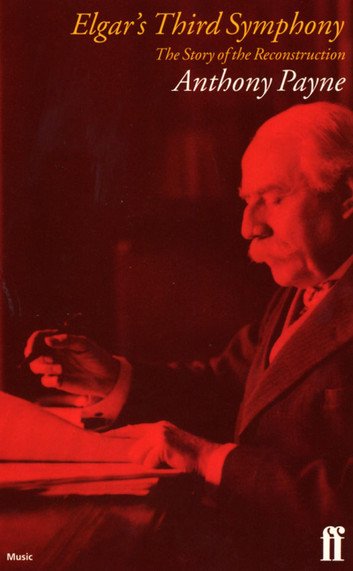
Description
Anthony Payne’s Reconstruction of Elgar’s Third Symphony: A Musical Detective Story
Introduction to Elgar’s Third Symphony
Elgar’s Third Symphony stands as one of classical music’s most fascinating reconstruction projects. Anthony Payne undertook the monumental task of completing this unfinished masterwork. Moreover, his achievement brought closure to a mystery that haunted music lovers for decades. Elgar’s Third Symphony represents both an ending and a new beginning in British classical music.
The great composer Edward Elgar died in 1934, leaving his final symphony incomplete. He left behind approximately 130 pages of sketches and musical fragments. However, these sketches contained enough material to suggest his grand vision. Therefore, they became the foundation for one of music’s most remarkable resurrections.
The BBC Commission and Elgar’s Final Years
The BBC commissioned the symphony in 1932, during Elgar’s twilight years. This commission gave the aging composer renewed purpose and creative energy. Nevertheless, time was running short for the seventy-five-year-old master. Elgar worked intensively on the sketches despite declining health and personal grief.
The composer had recently lost his beloved wife, Alice. Consequently, his creative output had slowed considerably in his final decade. Furthermore, he struggled with self-doubt about his relevance in modern music. The BBC’s commission, however, reignited his compositional fire one last time.
Anthony Payne’s Musical Detective Work
Anthony Payne’s elaboration completed one of the great unknowns of twentieth-century music. He spent years studying Elgar’s sketches, letters, and compositional methods. Moreover, Payne immersed himself in Elgar’s musical language and stylistic fingerprints. His dedication transformed fragmentary ideas into a coherent symphonic structure.
The reconstruction process required both scholarship and creative imagination. Payne had to make countless musical decisions while respecting Elgar’s intentions. Additionally, he needed to distinguish between what Elgar wrote and what required elaboration. This delicate balance defined the entire project’s success.
The Reconstruction Process Explained
This book tells the story of Anthony Payne’s reconstruction of Elgar’s unfinished Third Symphony. It reveals the painstaking methods Payne used to decode Elgar’s sketches. Furthermore, readers discover how he identified themes, harmonies, and structural patterns. The narrative takes readers inside the minds of both composers.
Payne worked like a musical archaeologist, piecing together fragments into a whole. He analyzed Elgar’s other symphonies to understand his developmental techniques. Meanwhile, he consulted with musicologists and Elgar specialists for guidance. Each decision was carefully weighed against the available evidence.
Understanding Elgar’s Original Vision
The book provides crucial background on Elgar’s original vision and intentions. Letters and conversations revealed what Elgar hoped to achieve with this work. Moreover, the sketches themselves contained annotations and performance directions. These clues helped Payne understand the symphony’s emotional landscape.
Elgar envisioned a work that would crown his symphonic achievements. He wanted to create something both modern and rooted in tradition. However, he also sought to express his personal feelings about mortality. The Third Symphony was to be his final statement to the world.
Musical Decisions and Compositional Choices
The book explains the reconstruction process and musical decisions in remarkable detail. Payne discusses how he approached incomplete passages and transitions. Additionally, he reveals which sections required the most creative intervention. Readers gain insight into the art of musical completion.
Key Reconstruction Challenges
Payne faced several major challenges during the reconstruction:
- Determining the correct order and placement of sketched materials
- Completing orchestration where only melodic lines existed
- Creating transitions between Elgar’s fragmentary ideas
- Maintaining stylistic consistency throughout the four movements
- Deciding when to elaborate versus when to leave material sparse
Each challenge required deep knowledge of Elgar’s compositional style. Therefore, Payne studied every available score and manuscript. His solutions demonstrate both technical mastery and artistic sensitivity.
The Significance in Classical Music History
The significance of this work in classical music cannot be overstated. Payne’s completion gave the world a “new” Elgar symphony decades after the composer’s death. Furthermore, it demonstrated that reconstruction could be both scholarly and artistically valid. The project opened new possibilities for completing other unfinished masterworks.
Critics and audiences initially approached the work with skepticism and curiosity. However, the premiere in 1998 received widespread acclaim and emotional responses. Moreover, subsequent performances confirmed the symphony’s place in the repertoire. Elgar’s Third Symphony now stands alongside his first two as essential works.
Reception and Legacy
The reconstructed symphony has been performed and recorded numerous times since its premiere. Conductors and orchestras worldwide have embraced this addition to the repertoire. Additionally, the work has sparked renewed interest in Elgar’s entire output. Music lovers can now experience the complete arc of his symphonic vision.
Payne’s achievement also raised important questions about authenticity and authorship. How much of the final work is Elgar, and how much is Payne? Nevertheless, most listeners agree that the spirit of Elgar pervades every measure. The reconstruction honors the composer while acknowledging the collaborator’s essential contribution.
Inside the Book’s Structure
This book combines musicological analysis with personal narrative and historical context. Payne writes accessibly for both specialists and general music enthusiasts. Moreover, he includes musical examples that illuminate his explanations. The text balances technical detail with engaging storytelling.
Readers follow Payne’s journey from initial hesitation to final completion. He describes moments of breakthrough and periods of frustrating uncertainty. Furthermore, he shares the emotional weight of responsibility he felt. This human dimension makes the technical material come alive.
For Music Enthusiasts and Scholars
The book appeals to anyone interested in classical music, composition, or musical history. Music students will find valuable lessons about orchestration and symphonic form. However, general readers can enjoy the detective story aspect without technical knowledge. Payne writes with clarity and passion that transcends specialist jargon.
What Readers Will Discover
- The complete history of the symphony’s commission and abandonment
- Detailed analysis of Elgar’s sketches and their musical content
- Payne’s step-by-step reconstruction methodology
- Insights into Elgar’s late compositional style
- The ethical and artistic considerations of completing another composer’s work
Therefore, the book serves multiple audiences with different interests and backgrounds. It works as both scholarly resource and compelling narrative.
Conclusion: A Triumph of Musical Scholarship
Anthony Payne’s book documents one of classical music’s most successful reconstruction projects. His completion of Elgar’s Third Symphony enriched the repertoire immeasurably. Moreover, his transparent explanation of the process sets standards for future such endeavors. The book itself stands as a testament to dedication, scholarship, and artistic integrity.
Readers finish the book with deeper appreciation for both Elgar and Payne. They understand the challenges of reconstruction and the rewards of perseverance. Furthermore, they gain insight into how great music comes into being. This story reminds us that musical creation can transcend even death itself.
The book ultimately celebrates the collaborative nature of musical art. Consequently, it shows how one composer’s vision can inspire another’s realization. Elgar’s Third Symphony lives because Anthony Payne listened carefully to the past. His achievement ensures that this magnificent work will resonate into the future.





Reviews
There are no reviews yet.