

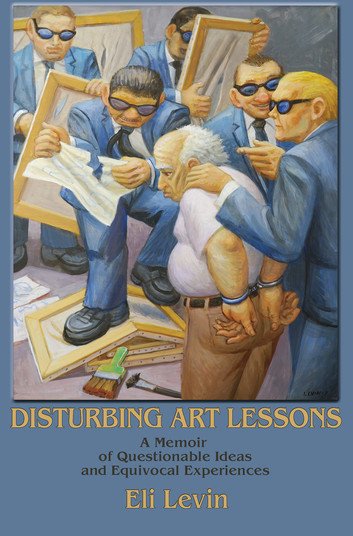
Description
Disturbing Art Lessons: A Provocative Memoir About Art Education and Creative Growth
Eli Levin’s “Disturbing Art Lessons” candidly explores his formative years as an art student and challenges conventional ideas about art education and creative growth. The memoir examines how art lessons can inspire growth or reinforce clichés, offering readers insight into the complexities of artistic training and self-discovery.
The memoir recounts Levin’s personal journey through art school and beyond. It reveals the struggles artists face with outdated teaching methods and resonates with anyone who has questioned traditional education.
Understanding Art Lessons: The Good, The Bad, and The Harmful
Not all art lessons benefit aspiring artists; some instruction can harm creative development. Levin distinguishes teaching that liberates from teaching that restricts vision.
The author shares amusing student anecdotes while exposing pretentiousness in art education. These stories highlight the difference between substance and empty rhetoric in teaching.
Levin’s experiences show how some teaching methods stifle creativity, yet he also values genuine mentorship. This balance makes the memoir both critical and constructive.
The Journey Beyond Artistic Clichés
Overcoming artistic clichés is central to the memoir. Readers see Levin’s struggle for an authentic creative voice, which requires rejecting formulas and embracing uncertainty.
Art school often reinforces convention instead of challenging it, but Levin persevered in seeking originality. His journey shows the courage needed to break from patterns.
The memoir details specific artistic breakthroughs and failures that shaped Levin’s sense of meaningful art. Each chapter builds appreciation for authentic creativity.
Questionable Ideas in Art Education
Levin examines several questionable ideas that pervade art education:
- The myth of natural talent: Schools often emphasize innate ability over dedicated practice
- Style over substance: Programs that prioritize trendy aesthetics over meaningful content
- Academic dogma: Rigid adherence to particular schools of thought or techniques
- Commercial pressure: The push to create marketable art rather than personal expression
- Guru worship: Excessive reverence for famous artists that discourages independent thinking
These problematic approaches can derail artists. Students may spend years unlearning harmful lessons. Levin’s critique helps readers avoid these pitfalls.
Equivocal Experiences and Artistic Growth
The subtitle refers to “equivocal experiences” that shaped Levin’s artistic journey—formative moments with both positive and negative sides. This reflects the messy reality of creative development.
Some teachers offered valuable insights, but their attitudes were problematic. Meanwhile, certain failures ultimately proved more educational than successes. Levin embraces this complexity rather than offering simple answers.
The memoir affirms that artistic growth rarely follows a straight path, and what seems harmful can later prove beneficial. This nuanced view distinguishes the book from simplistic self-help.
Who Should Read This Memoir
Art students will find this memoir particularly valuable and relatable. However, the book appeals to anyone interested in education and creativity. Teachers can gain insight into how their methods affect students in the long term.
The writing style remains accessible despite addressing sophisticated artistic concepts. Therefore, readers need not possess extensive art knowledge to appreciate the narrative. Levin’s humor and honesty make complex ideas approachable.
Anyone who has questioned traditional education will connect with this story. The memoir also speaks to those seeking genuine expression in any field, extending its lessons beyond visual art.
Key Themes About Art Education
Key themes throughout Levin’s narrative include the importance of critical thinking in art. Students must evaluate advice rather than accept it blindly.
Second, the book highlights the tension between tradition and innovation. A main takeaway is the need to thoughtfully balance respect for the past with the courage to pursue new ideas. This balance is essential for meaningful, original work.
Levin stresses personal experience over theory, urging artists to trust their observations and feelings. This challenges authority-based teaching, common in art schools.
The Role of Humor in Artistic Reflection
Levin employs humor to examine serious artistic questions. Indeed, his amusing recollections make difficult subjects more digestible. The lighthearted tone prevents the memoir from becoming preachy or bitter.
Humor also serves as a defense against the pretentiousness Levin criticizes. Meanwhile, it creates distance that allows for honest self-examination. The author laughs at his own mistakes as readily as others’.
This comedic approach makes the memoir both entertaining and educational. Furthermore, it demonstrates that artistic growth need not be a solemn affair. Joy and playfulness can coexist with serious creative work.
Overcoming Bombast and Finding Authenticity
Art world bombast hindered Levin’s journey, but he learned to recognize genuine insight versus empty rhetoric. This skill was key to his artistic growth.
The memoir provides examples of bombastic teaching and its effects. Moreover, Levin shows how such pretension masks insecurity and shallow thinking. Recognizing this pattern helped him avoid similar traps in his own work.
Authenticity counters bombast and cliché. The memoir celebrates honest expression over empty rhetoric—a message that resonates in today’s social media era.
Practical Wisdom for Aspiring Artists
Beyond critique, the memoir offers practical wisdom for developing artists. Consequently, readers gain actionable insights alongside entertaining stories. Levin’s experience provides a roadmap for navigating the challenges of art education.
The book recommends healthy skepticism toward artistic advice and encourages broad experimentation before settling on any approach. This helps prevent commitment to limiting ideas.
Levin emphasizes the importance of finding one’s own voice, demonstrating that it requires time and involves many missteps. Patience and persistence prove more valuable than quick success.
The Memoir’s Lasting Impact
“Disturbing Art Lessons” continues to resonate with readers. Its themes remain relevant as art education changes, and Levin’s central questions transcend historical moments.
The memoir has influenced how many artists approach their education and practice. Moreover, it has sparked conversations about reforming art school curricula. Levin’s honesty opened space for others to share similar experiences.
Teachers have also found value in the book’s perspective. Consequently, some have reconsidered their methods after reading Levin’s account. This dialogue between students and educators benefits the entire artistic community.
Why This Memoir Matters Today
Modern art education still faces the issues Levin described. The memoir remains vital for students and teachers as clichés and bombast persist in many programs.
Social media adds pressure to artistic development, but the challenge of finding authentic expression remains. Levin’s insights help navigate both traditional and new obstacles.
The memoir also offers perspective during times of artistic doubt. Furthermore, it reassures readers that struggle and confusion are normal. This validation can sustain artists through difficult developmental periods.
Final Thoughts on Disturbing Art Lessons
Eli Levin’s memoir is an invaluable resource for artists. It entertains while educating, blending humor with reflection and challenging readers to examine assumptions about creativity.
In celebrating the unpredictable nature of artistic growth, Levin’s memoir encourages readers to embrace authentic expression. The message: authenticity is worth the struggle.
This memoir belongs on every artist’s shelf. Its lessons reach beyond visual arts, offering wisdom to anyone seeking genuine self-expression.





Reviews
There are no reviews yet.