

Description
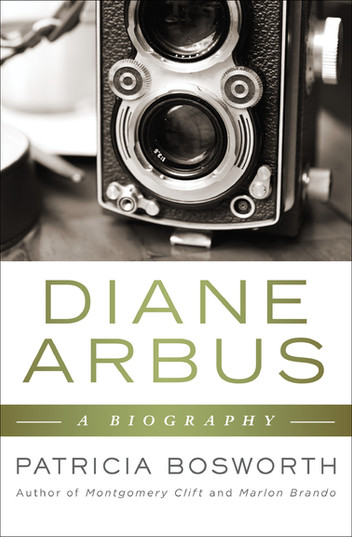
Diane Arbus: A Biography – The Definitive Portrait of an Iconic Photographer
Diane Arbus transformed American photography through her unflinching portraits of society’s marginalized individuals. Patricia Bosworth’s acclaimed biography explores the complex life of this groundbreaking artist and reveals the private struggles behind her revolutionary work.
This comprehensive account examines Arbus’s journey from privileged Manhattan heiress to celebrated photographer.
The Early Life of Diane Arbus
Diane Arbus was born in 1923 into a wealthy Jewish family in Manhattan. Her parents owned Russeks, a prestigious Fifth Avenue fur store. She grew up surrounded by luxury and privilege.
However, this pampered childhood left her feeling isolated from the real world. She later described her upbringing as suffocating and disconnected from authentic human experience.
The young Diane showed artistic inclinations early in life. Nevertheless, her family expected her to follow conventional paths. She attended the Ethical Culture Fieldston School, where she met Allan Arbus. Their connection was immediate and intense, and their relationship would shape both their personal and professional lives for decades.
Marriage and Early Career in Fashion Photography
Diane married Allan Arbus when she was just eighteen years old. Allan, who later became a successful actor, shared her artistic sensibilities. Together, they launched a fashion photography business in the 1950s. Their studio quickly gained recognition for its innovative approach to commercial photography.
The couple worked as a team during these formative years. Allan handled the technical aspects while Diane styled the shoots. They developed a distinctive aesthetic that attracted high-profile clients. Their work appeared in prestigious publications including Vogue and Harper’s Bazaar.
However, Diane increasingly felt constrained by fashion photography’s superficial nature.
The Artistic Transformation
By the late 1950s, Diane Arbus began her transition to portrait photography. She studied under legendary photographer Lisette Model at the New School. She also started exploring New York City’s streets with her camera. This period marked a radical departure from her commercial work.
Arbus developed a unique photographic vision during this transformation. She sought out subjects that mainstream society ignored or avoided. She approached them with genuine curiosity rather than judgment. Her camera became a tool for revealing hidden truths about American life.
Finding Her Subjects
Diane Arbus photographed people who existed on society’s margins:
- Dwarves and giants
- Identical twins
- Transvestites and drag performers
- Nudists at camps
- Circus performers and sideshow artists
- Mental institution residents
- Elderly couples
- Eccentric individuals in Times Square
These subjects fascinated Arbus because they lived outside conventional norms.
Moreover, she believed they possessed an authenticity that “normal” people lacked. She spent countless hours gaining their trust and understanding their worlds.
Consequently, her portraits reveal intimate moments of vulnerability and strength.
The Controversial Photographer
Diane Arbus’s work generated intense controversy throughout her career.
Critics accused her of exploiting vulnerable people for artistic gain. However, others recognized her profound empathy and revolutionary vision.
Her photographs challenged viewers to confront their own prejudices and fears.
The photographer’s approach was deliberately confrontational. She used direct flash and frontal compositions that eliminated romantic distance.
Furthermore, her subjects often stared directly into the camera lens. This technique created an uncomfortable intimacy between viewer and subject.
Therefore, audiences could not look away or dismiss these marginalized individuals.
Artistic Recognition and Breakthrough
Despite the controversy, Arbus gained significant recognition during her lifetime.
The Museum of Modern Art featured her work in the influential 1967 exhibition “New Documents.” Additionally, she received prestigious Guggenheim Fellowships in 1963 and 1966.
These honors validated her unconventional artistic choices.
Her photographs appeared in major publications and galleries. Moreover, fellow photographers and critics increasingly acknowledged her importance.
She was transforming the art of photography from documentary record to psychological exploration.
Nevertheless, commercial success and critical acclaim could not ease her internal struggles.
The Battle with Depression
Diane Arbus suffered from severe depression throughout her adult life.
This mental illness cast a shadow over even her greatest achievements. She experienced periods of intense creativity followed by debilitating darkness.
Furthermore, her depression affected her relationships and daily functioning.
The photographer sought various treatments for her condition. However, mental health care in that era offered limited effective options.
She continued working despite her struggles, using photography as both expression and escape.
Meanwhile, her personal life became increasingly unstable and isolated.
The End of Her Marriage
Diane and Allan Arbus separated in 1959 after nearly two decades together. Their divorce became final in 1969.
This separation deeply affected both partners.
Nevertheless, they maintained a connection throughout the remaining years of her life. Allan continued supporting her work and understood her artistic vision.
Her Tragic Death
Diane Arbus committed suicide on July 26, 1971, at age 48. She took barbiturates and slashed her wrists in her Westbeth Artists Community apartment.
Her death shocked the photography world and devastated those who knew her. Moreover, it raised questions about the relationship between artistic genius and mental suffering.
Friends and colleagues had noticed warning signs in the months before her death. She had become increasingly withdrawn and expressed feelings of hopelessness. However, no one anticipated she would take her own life.
Her daughters, Doon and Amy, lost their mother at young ages.
Posthumous Recognition
The year following her death brought extraordinary recognition.
In 1972, Diane Arbus became the first American photographer exhibited at the Venice Biennale. This posthumous honor confirmed her status as a major artistic figure. Furthermore, it introduced her work to international audiences.
A major retrospective at the Museum of Modern Art in 1972 drew enormous crowds. The accompanying monograph became one of the best-selling photography books ever published.
Consequently, Arbus’s influence expanded far beyond her lifetime. Her vision continues inspiring photographers and artists worldwide.
Patricia Bosworth’s Biography
Patricia Bosworth’s “Diane Arbus: A Biography” offers the definitive account of the photographer’s life.
Bosworth conducted extensive interviews with family members, friends, and colleagues. Additionally, she accessed personal letters and private documents. This thorough research creates an intimate portrait of a complex woman.
The biography examines Arbus’s pampered childhood and its lasting effects. It explores her passionate marriage to Allan and their creative partnership. Moreover, Bosworth traces her artistic evolution from fashion photographer to groundbreaking artist.
The book does not shy away from difficult topics including mental illness and suicide.
What the Biography Reveals
Bosworth’s work illuminates the contradictions within Arbus’s character. She was simultaneously privileged and alienated, empathetic and exploitative, brilliant and troubled.
Furthermore, the biography contextualizes her work within 1960s American culture. It shows how her photographs both reflected and challenged societal attitudes.
The author examines how Arbus’s personal struggles informed her artistic vision. Her depression and feelings of otherness drew her to marginalized subjects.
Therefore, her photographs represent both documentary work and self-exploration. Bosworth helps readers understand the psychological complexity behind each image.
The Legacy of Diane Arbus
Diane Arbus fundamentally changed how we understand photography’s possibilities. She proved that portraits could be psychological investigations rather than mere representations. Moreover, she expanded the definition of acceptable photographic subjects. Her influence appears in countless contemporary photographers’ work.
Museums and galleries worldwide continue exhibiting her photographs. New generations discover her work and grapple with its challenging questions. Furthermore, debates about her ethics and intentions remain vibrant. This ongoing engagement demonstrates her enduring relevance.
Her Impact on Photography
Arbus transformed the art of photography in several crucial ways:
- She demonstrated that marginalized people deserved serious artistic attention.
- She showed that discomfort could be a legitimate aesthetic goal.
Her direct, unflinching style influenced documentary and art photography alike.
Therefore, any photographer working with portraits must contend with her legacy.
Why Read This Biography
Patricia Bosworth’s biography is essential reading for several reasons. It provides comprehensive insight into one of photography’s most important figures. Moreover, it explores universal themes of creativity, mental illness, and artistic obsession. The book appeals to photography enthusiasts, art historians, and general readers alike.
Understanding Arbus’s life enriches appreciation of her photographs. The biography reveals the dedication and courage required for her work. Furthermore, it humanizes an artist who has become almost mythological. Bosworth presents a complete person rather than just an artistic icon.
Conclusion
“Diane Arbus: A Biography” by Patricia Bosworth offers an unforgettable portrait of a revolutionary artist. The book traces her journey from privileged Manhattan childhood through groundbreaking artistic achievement to tragic early death. Moreover, it examines the private struggles behind her controversial public work. Bosworth’s thorough research and compassionate writing create an essential resource for understanding this complex photographer.
Diane Arbus left an indelible mark on American photography and visual culture. Her unflinching portraits of marginalized individuals challenged viewers to confront their prejudices. Furthermore, her work demonstrated photography’s potential as psychological exploration. Despite her tragic end, her artistic legacy continues inspiring and provoking audiences worldwide. This biography ensures that both her achievements and struggles receive the serious attention they deserve.


Reviews
There are no reviews yet.