

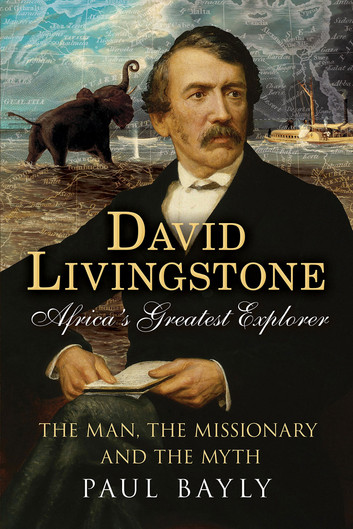
Description
David Livingstone Explorer Missionary: Separating Myth from Reality in Africa’s Greatest Explorer
Introduction to a Victorian Icon
Paul Bayly’s “David Livingstone, Africa’s Greatest Explorer: The Man, the Missionary and the Myth” examines the legendary David Livingstone explorer missionary with unprecedented critical depth. This comprehensive biography challenges romanticized narratives surrounding one of history’s most celebrated figures.
Moreover, Bayly reveals the complex contradictions between Livingstone’s humanitarian ideals and colonial realities. Consequently, readers discover a far more nuanced portrait than traditional hagiographies provide. Therefore, this book stands as essential reading for understanding Victorian exploration and imperialism.
Livingstone remains one of the most mythologized figures in African exploration history. Furthermore, his legacy continues shaping perceptions of Africa and missionary work today. Bayly meticulously separates fact from fiction in Livingstone’s extraordinary life story. Additionally, he examines how the David Livingstone explorer missionary legend served British imperial interests. Subsequently, the biography presents both the man’s genuine achievements and his troubling legacy.
Humble Beginnings in Industrial Scotland
David Livingstone was born in 1813 in Blantyre, Scotland, into grinding poverty. His family worked in cotton mills under brutal conditions that shaped his character. Moreover, young Livingstone demonstrated remarkable determination by studying medicine while working twelve-hour shifts.
Consequently, he developed the resilience that would sustain him through African hardships later. Therefore, his working-class origins distinguished him from typical Victorian explorers significantly.
Bayly explores how Livingstone’s Calvinist upbringing instilled both compassion and rigid morality. Furthermore, he shows how religious conviction drove Livingstone’s missionary ambitions from childhood. The young man devoured books on science, theology, and exploration voraciously. Additionally, he felt called to combine medical practice with evangelical Christianity abroad. Subsequently, these formative years established the foundation for his African mission.
Livingstone trained at the London Missionary Society, preparing for overseas service diligently. However, his initial plan to work in China was thwarted by war. Moreover, meeting missionary Robert Moffat redirected his focus toward southern Africa instead. Consequently, Livingstone sailed for Cape Town in 1840, beginning his legendary career. Therefore, chance and circumstance shaped his destiny as much as deliberate choice.
The David Livingstone Explorer Missionary Arrives in Africa
Livingstone reached southern Africa with idealistic visions of converting indigenous populations to Christianity. His early missionary work in Bechuanaland (modern Botswana) proved frustrating and largely unsuccessful. Moreover, he quickly realized that traditional stationary mission stations achieved limited impact.
Consequently, Livingstone developed his controversial theory of “Christianity, Commerce, and Civilization” instead. Therefore, he believed opening Africa to legitimate trade would undermine slavery more effectively.
Bayly examines Livingstone’s evolving relationship with African peoples with scholarly nuance throughout. Furthermore, he reveals how Livingstone genuinely respected many African cultures and customs. The missionary learned local languages and lived among communities for extended periods. Additionally, he opposed the racism prevalent among many European colonizers of his era. Subsequently, his attitudes toward Africans remained complex, contradictory, and deeply paternalistic nevertheless.
Key aspects of Livingstone’s missionary philosophy included:
- Belief that European civilization would uplift African societies through Christian conversion
- Opposition to the slave trade as morally abhorrent and economically destructive
- Conviction that legitimate commerce would replace slavery and transform African economies
- Paternalistic assumption that African cultures needed European guidance and improvement
- Genuine admiration for African resilience, intelligence, and survival skills in harsh environments
Epic Journeys Across the African Continent
Livingstone’s 1849-1856 transcontinental expedition established his reputation as Africa’s greatest explorer permanently. He became the first European to cross the African continent from coast to coast. Moreover, his journey covered thousands of miles through previously unmapped territories and hostile regions.
Consequently, Livingstone documented geography, wildlife, and indigenous cultures with meticulous scientific precision. Therefore, his observations contributed enormously to European knowledge of central Africa’s interior.
The explorer’s discovery of Victoria Falls in 1855 became his most celebrated achievement. Furthermore, Livingstone named the spectacular waterfall after Queen Victoria, cementing British imperial claims. Bayly describes how this “discovery” ignored the Kololo people who’d lived there for generations.
Additionally, he examines how European exploration narratives systematically erased indigenous knowledge and presence. Subsequently, readers understand how the David Livingstone explorer missionary myth served colonial expansion.
Livingstone returned to Britain in 1856 as a national hero and celebrity. However, his fame came at tremendous personal cost to his family relationships. Moreover, his wife Mary and children had suffered years of neglect and poverty. Consequently, Livingstone’s single-minded devotion to Africa destroyed his domestic life completely. Therefore, Bayly presents the explorer’s personal failures alongside his professional triumphs honestly.
Scientific Contributions and Geographic Discoveries
Livingstone’s expeditions produced invaluable scientific data about African geography, geology, and natural history. Furthermore, his detailed journals documented flora, fauna, and climate patterns with remarkable accuracy. He mapped river systems including the Zambezi, contributing to European cartographic knowledge significantly.
Additionally, Livingstone’s astronomical observations helped establish precise geographic coordinates for remote regions. Subsequently, his scientific legacy extended far beyond missionary work or exploration alone.
Bayly examines how Livingstone’s anti-slavery advocacy shaped his exploration objectives fundamentally throughout. Furthermore, the explorer witnessed slavery’s horrors firsthand during his travels repeatedly. He documented the devastating impact of Arab and Portuguese slave traders on African communities.
Additionally, Livingstone believed exposing these atrocities would mobilize British public opinion against slavery. Subsequently, his writings and lectures made him Britain’s most influential anti-slavery voice.
The explorer’s second major expedition (1858-1864) aimed to open the Zambezi River for navigation. However, this government-sponsored venture proved disastrous and ended in complete failure ultimately.
Moreover, Livingstone’s leadership abilities and judgment came under severe criticism from expedition members. Consequently, his reputation suffered significantly despite his continued determination and courage. Therefore, Bayly presents this period as revealing Livingstone’s limitations and stubborn inflexibility.
The Final Quest: Searching for the Nile’s Source
Livingstone’s last expedition (1866-1873) sought to locate the Nile River’s source definitively. This obsessive quest consumed his final years despite deteriorating health and dwindling resources. Moreover, he became increasingly isolated from European contact for years at a time.
Consequently, rumors of his death circulated widely in Britain and America repeatedly. Therefore, journalist Henry Morton Stanley’s 1871 “rescue” became one of history’s most famous encounters.
Bayly deconstructs the legendary “Dr. Livingstone, I presume?” meeting with critical historical analysis. Furthermore, he reveals how Stanley’s sensationalized account served both men’s reputations strategically. The encounter provided Livingstone with desperately needed supplies and renewed public attention.
Additionally, Stanley gained fame as the man who “found” the lost explorer. Subsequently, their meeting became mythologized beyond recognition of actual events and circumstances.
Livingstone died in 1873 in Chief Chitambo’s village (modern Zambia), still pursuing his quest. However, his loyal African companions Susi and Chuma preserved his body for burial. Moreover, they carried his remains over a thousand miles to the coast heroically. Consequently, Livingstone received a hero’s funeral at Westminster Abbey in London. Therefore, his death transformed him into an imperial martyr and symbol permanently.
The David Livingstone Explorer Missionary Legacy Examined
Bayly critically examines how Livingstone’s legacy served British imperial expansion in Africa. Furthermore, he shows how the explorer’s humanitarian rhetoric justified colonial conquest paradoxically. Livingstone genuinely opposed slavery and advocated for African welfare throughout his life.
Additionally, he believed European intervention would benefit African peoples through civilization and Christianity. Subsequently, his idealism provided moral justification for the “Scramble for Africa” afterward.
The book explores Livingstone’s complex relationship with indigenous Africans in fascinating depth. Furthermore, Bayly reveals how Livingstone depended entirely on African guides, porters, and interpreters. His expeditions would have been impossible without African knowledge, labor, and protection.
Additionally, many Africans showed extraordinary loyalty to Livingstone despite his demanding, difficult personality. Subsequently, readers understand how African agency shaped exploration narratives Europeans claimed as solely theirs.
Livingstone’s writings influenced European perceptions of Africa for generations after his death. However, his descriptions often reinforced stereotypes about African “savagery” needing European redemption.
Moreover, his advocacy for commerce and Christianity opened Africa to exploitation and colonization. Consequently, Livingstone’s humanitarian intentions produced devastating unintended consequences for African peoples. Therefore, Bayly presents a sobering assessment of the explorer’s ambiguous historical impact.
Myth Versus Reality in Victorian Hero-Making
Bayly meticulously deconstructs the Livingstone myth created by Victorian Britain’s imperial culture. Furthermore, he examines how newspapers, books, and lectures transformed the man into legend. The real Livingstone was stubborn, difficult, often poor at leadership and interpersonal relationships.
Additionally, he frequently failed at his stated objectives despite extraordinary courage and determination. Subsequently, the mythical Livingstone bore little resemblance to the complicated historical figure actually.
The book explores how Livingstone’s legend served multiple Victorian ideological purposes simultaneously. Furthermore, his story validated British imperial expansion as a humanitarian and civilizing mission.
The explorer’s working-class origins made him a democratic hero accessible to all. Additionally, his Christian devotion appealed to evangelical movements gaining influence in Britain. Subsequently, Livingstone became whatever different audiences needed him to represent symbolically.
Conclusion: Reassessing a Complex Historical Figure
Paul Bayly’s biography succeeds in presenting David Livingstone explorer missionary as fully human and historically contextualized. He neither demonizes nor lionizes this controversial figure but examines him with scholarly rigor.
Moreover, Bayly’s research provides unprecedented access to Livingstone’s contradictions, failures, and genuine achievements. Consequently, readers gain nuanced understanding of Victorian exploration, imperialism, and missionary work’s complexities. Therefore, this book stands as the definitive modern reassessment of Livingstone’s life.
Livingstone’s genuine courage, determination, and anti-slavery advocacy deserve recognition and respect always. Furthermore, his scientific contributions advanced geographic and natural history knowledge significantly.
However, his legacy also includes enabling colonial exploitation and cultural destruction across Africa. Additionally, the myths surrounding him obscured African peoples’ agency and contributions to exploration. Subsequently, “David Livingstone, Africa’s Greatest Explorer” ensures this iconic figure receives the critical examination he deserves.




Reviews
There are no reviews yet.