

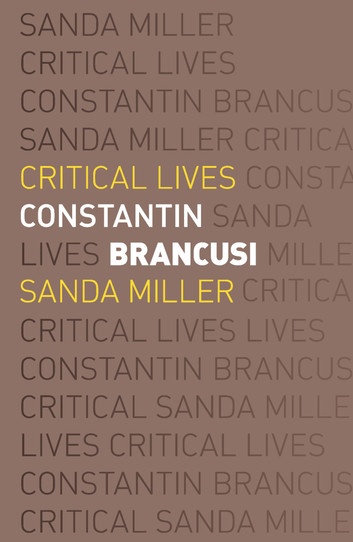
Description
Constantin Brancusi: The Revolutionary Sculptor Who Changed Modern Art
Constantin Brancusi is among the most important sculptors of the twentieth century. Born in Romania in 1876, he transformed the art world with his bold vision. Moreover, his journey from a small village to Paris forever shaped modern sculpture. This biography by Giulia Miller and Sanda Miller explores every aspect of his remarkable life and work.
Early Life in Romania
Brancusi grew up in Hobita, a rural Romanian village. His family was poor, yet he showed artistic talent from an early age. As a child, he carved wooden objects and tools. Therefore, his natural ability became clear to everyone around him.
He left home at age nine to work. However, he never stopped creating art. He worked in various trades and learned craftsmanship. Meanwhile, he studied at the Craiova School of Arts and Crafts. His skills grew stronger each year.
Later, Brancusi attended the Bucharest School of Fine Arts. There, he learned traditional sculpture techniques. But he wanted more than what Romania could offer. Consequently, he decided to move to Paris in 1904.
The Journey to Paris
Brancusi walked most of the way to Paris. The journey took many months, yet he remained determined. He arrived in the city with little money. However, Paris was the center of the art world at the time.
In Paris, he enrolled at the École des Beaux-Arts. He studied under famous sculptors and learned academic methods. Moreover, he met other artists who shared his passion. The city opened new doors for him.
Auguste Rodin noticed Brancusi’s talent and offered him work. But Brancusi refused to become Rodin’s assistant. He famously said that nothing grows under big trees. Therefore, he chose to develop his own style instead.
Brancusi’s Revolutionary Approach to Sculpture
Constantin Brancusi rejected traditional sculpture methods. He believed in simplicity and pure form. Furthermore, he wanted to capture the essence of his subjects. His approach was completely different from anything that had come before.
Traditional sculptors added details and decorations. However, Brancusi removed everything unnecessary. He reduced forms to their most basic shapes. Thus, he created a new language in sculpture.
He worked directly with materials like stone, wood, and bronze. Moreover, he polished surfaces until they gleamed. His sculptures reflected light in beautiful ways. Consequently, viewers saw his works as almost alive.
Brancusi believed that what matters is not the outer form. Instead, he sought the inner spirit of things. Therefore, his sculptures look abstract but feel deeply real. This philosophy changed how artists thought about their work.
Famous Works That Defined Modern Art
The Kiss Series
“The Kiss” became one of Brancusi’s most famous works. He created several versions starting in 1907-1908. The sculpture shows two figures embracing in a block of stone. Moreover, the forms are simplified yet deeply emotional.
The figures merge as one unit. Their arms wrap around each other in perfect symmetry. However, the simplicity makes the emotion stronger, not weaker. Thus, Brancusi proved that less could be more.
Bird in Space
“Bird in Space” represents Brancusi’s ultimate achievement in abstraction. He created multiple versions between 1923 and 1940. The sculpture is a tall, slender bronze form. Furthermore, it captures the essence of flight itself.
The work caused controversy when entering the United States. Customs officials called it raw metal, not art. However, Brancusi fought in court and won. Consequently, the case changed how people defined art legally.
The sculpture doesn’t look like a bird. Yet everyone feels the soaring motion and freedom. Therefore, it shows Brancusi’s genius for capturing essence over appearance.
Sleeping Muse
“Sleeping Muse” shows a woman’s head in peaceful rest. Brancusi created several versions in marble and bronze. The face is smooth and simplified. Moreover, the closed eyes suggest deep dreams.
The sculpture has no neck or body. Instead, it’s just the essential oval of the head. However, this reduction makes it more powerful. Thus, viewers focus on the serene expression and inner peace.
The Endless Column
“The Endless Column” stands as a monumental public sculpture. Brancusi created it in 1938 in Târgu Jiu, Romania. The column reaches nearly 100 feet high. Furthermore, it consists of repeated rhomboidal modules.
The modules stack on top of each other. They seem to continue infinitely upward. Moreover, the sculpture honors Romanian soldiers who died in World War I. Consequently, it became a symbol of eternal sacrifice and memory.
Key Ideas About Art and Creation
Simplicity as Truth
Brancusi believed that simplicity revealed truth. He said that simplicity is complexity resolved. Therefore, he spent years refining each sculpture. His goal was to remove everything that didn’t matter.
He polished and refined his works endlessly. Moreover, he often created multiple versions of the same subject. Each version became simpler and purer. Thus, he moved closer to the essential form.
Direct Carving
The sculptor championed direct carving methods. He worked the material himself without assistants. Furthermore, he believed the artist must touch the stone or wood. This connection was sacred to him.
Many sculptors used assistants to execute their designs. However, Brancusi insisted on doing everything himself. He felt the material spoke to him. Consequently, his hands directly shaped the final form.
Materials and Their Spirit
Brancusi respected each material’s unique qualities. Stone had properties different from those of wood or bronze. Moreover, he let the material guide his choices. He worked with the material, not against it.
He chose materials carefully for each subject. Wood suited organic, living forms. Bronze allowed for smooth, reflective surfaces. Therefore, the material and subject worked together perfectly.
The Base as Part of the Sculpture
Constantin Brancusi revolutionized how artists used bases. Traditional sculptors saw bases as mere supports. However, Brancusi made bases an integral part of his works. They became part of the artistic statement.
He designed custom bases for each sculpture. Moreover, he often stacked multiple bases together. The bases added rhythm and visual interest. Thus, the entire composition became a unified artwork.
Major Themes in Brancusi’s Work
The sculptor returned to certain themes repeatedly:
- Flight and birds: Capturing the essence of soaring and freedom
- The human head: Exploring consciousness and inner life
- The kiss and love: Showing unity and connection between people
- Columns and vertical forms: Reaching toward the infinite and eternal
- Eggs and ovoid shapes: Representing birth, potential, and beginnings
These themes allowed him to explore pure form. Moreover, he refined his approach with each new version. His dedication to these subjects was lifelong.
How Brancusi Changed Modern Art
Breaking from Tradition
Brancusi broke completely from academic sculpture. Traditional sculpture imitated nature closely. However, he showed that abstraction could be more powerful. Consequently, he opened new possibilities for all artists.
His work influenced countless sculptors who came after. Moreover, he proved that modern art could be profound. Critics initially dismissed his work as too simple. Yet time proved his genius and vision.
Influencing Abstract Art
The sculptor’s ideas spread beyond sculpture. Painters and architects studied his work. Furthermore, his emphasis on pure form influenced abstract movements. Minimalism owes much to his vision.
Artists learned that removing details could strengthen impact. Moreover, they saw how materials themselves could be beautiful. Therefore, Brancusi’s influence reached across all visual arts.
Changing How We See Sculpture
Before Brancusi, sculpture meant realistic representation. After him, sculpture could be anything. Moreover, he showed that essence mattered more than appearance. This shift was revolutionary and permanent.
He taught viewers to see differently. People learned to appreciate abstract forms. Furthermore, they understood that art could suggest rather than describe. Thus, he educated the public and artists alike.
Life in Paris and His Studio
Brancusi lived and worked in Paris for most of his life. His studio became legendary among artists. Moreover, he designed every aspect of his workspace. The studio itself was an artwork.
He arranged his sculptures carefully throughout the space. White walls reflected light onto the polished surfaces. Furthermore, he photographed his works in the studio setting. These photographs became artworks themselves.
The sculptor lived simply despite growing fame. He cooked Romanian food and entertained friends. Moreover, he played traditional music on his phonograph. His studio was both workplace and home.
He never married, though he had relationships. His art remained his primary focus. Therefore, he devoted his entire life to sculpture. Nothing distracted him from his vision.
The Miller Authors’ Contribution
Unique Perspective
Giulia Miller and Sanda Miller bring special insight to this biography. Both authors have Romanian heritage, like Brancusi. Moreover, they understand the cultural context of his early life. This background enriches their analysis significantly.
They explore how Romanian folk art influenced his work. Traditional wood carving shaped his aesthetic sense. Furthermore, they show connections others might miss. Their cultural knowledge adds depth to the story.
Comprehensive Research
The authors conducted extensive research for this book. They examined archives and original documents. Moreover, they studied Brancusi’s own writings and statements. Their scholarship is thorough and reliable.
They interviewed people who knew the sculptor. Furthermore, they visited the places where he lived and worked. This firsthand research brings the biography to life. Consequently, readers get an authentic portrait.
Accessible Writing Style
The Millers write clearly for general readers. They avoid excessive academic jargon. Moreover, they explain complex artistic concepts. Therefore, anyone can understand and enjoy the book.
They balance biographical details with artistic analysis. Personal stories make Brancusi human and relatable. Furthermore, they show how his life shaped his art. Thus, readers see the complete picture.
Critical Analysis
The authors provide thoughtful criticism of the work. They discuss both strengths and limitations. Moreover, they place Brancusi in a historical context. Their analysis helps readers understand his importance.
They compare his work to that of other modernist artists. Furthermore, they trace his influence on later generations. This critical framework is valuable and illuminating. Consequently, readers gain a deeper appreciation.
Major Exhibitions and Recognition
Early Struggles
Brancusi faced rejection early in his career. Traditional critics dismissed his simplified forms. However, he persisted in his vision. Moreover, a few supporters recognized his genius.
The Armory Show in New York featured his work in 1913. American audiences saw modern European art for the first time. Furthermore, Brancusi’s sculptures caused controversy and discussion. Thus, his reputation began to grow.
Growing Fame
By the 1920s, Brancusi gained international recognition. Museums and collectors sought his work. Moreover, he had successful exhibitions across Europe and America. His prices increased significantly.
Wealthy patrons commissioned major works from him. However, he remained selective about projects. He only accepted commissions that interested him. Therefore, he maintained artistic integrity throughout his career.
Late Career Success
In his later years, Constantin Brancusi achieved legendary status. Museums held retrospective exhibitions of his work. Moreover, critics recognized him as a master of modern sculpture. His place in art history was secure.
The Romanian government commissioned “The Endless Column” and related works. This public monument brought his art to a wider audience. Furthermore, it connected him to his homeland. Thus, he honored his roots while living abroad.
Final Years and Legacy
Brancusi continued working into his eighties. He refined his existing themes rather than seeking new ones. Moreover, he remained dedicated to his vision of pure form. His commitment never wavered.
He became a French citizen in 1952. However, he never forgot his Romanian origins. Furthermore, he maintained connections to his homeland. His identity bridged two cultures.
The sculptor died in Paris in 1957 at age 81. He left his studio and its contents to the French state. Moreover, this gift became the Brancusi Studio at the Pompidou Center. Therefore, visitors can see his workspace preserved.
Lasting Impact on Art and Culture
Influence on Sculpture
Every modern sculptor owes something to Brancusi. He freed sculpture from representational requirements. Moreover, he showed that abstraction could convey deep meaning. His influence continues today.
Minimalist sculptors directly followed his example. Furthermore, conceptual artists built on his ideas. Even traditional sculptors learned from his innovations. Thus, his impact crosses all styles and movements.
Philosophy of Art
Brancusi’s ideas about art remain relevant. His emphasis on essence over appearance still resonates. Moreover, his respect for materials influences contemporary practice. Artists continue to study his approach.
He taught that less can communicate more. Furthermore, he showed that simplicity requires great skill. These lessons apply beyond sculpture. Therefore, his philosophy enriches all creative fields.
Cultural Bridge
The sculptor connected Eastern European and Western art. He brought Romanian folk traditions to Paris. Moreover, he showed that provincial origins could produce universal art. His example inspired artists from everywhere.
He proved that artistic genius transcends nationality. Furthermore, he demonstrated that tradition and innovation can coexist. His life story encourages artists from all backgrounds. Consequently, his legacy includes cultural understanding.
Why This Biography Matters
The Miller sisters’ book fills an important gap. Many books about Brancusi exist, yet this one offers unique value. Moreover, their Romanian perspective provides fresh insights. They understand nuances others might miss.
The book is part of the Critical Lives series. This series thoroughly examines important cultural figures. Furthermore, it makes scholarly research accessible to general readers. Therefore, the book serves both academics and art lovers.
The authors show how Constantin Brancusi’s life and work connect. Personal experiences shaped his artistic vision. Moreover, historical events influenced his development. Thus, readers understand the complete context.
They also address his relevance to contemporary art. His ideas still matter to working artists today. Furthermore, his sculptures continue to move viewers emotionally. Therefore, the book demonstrates his enduring significance.
Conclusion
Constantin Brancusi transformed sculpture and modern art forever. His journey from rural Romania to Paris inspired generations. Moreover, his dedication to pure form and essential truth changed how we see art. The Miller sisters’ biography captures their lives and legacies in their entirety.
This book offers readers a comprehensive portrait of the artist. It combines biographical detail with artistic analysis. Furthermore, it places Brancusi in a cultural and historical context. Therefore, it serves as an essential resource.
Whether you’re an art student or casual reader, this biography rewards attention. The authors write clearly and engagingly. Moreover, they reveal a complex, fascinating individual. Thus, Brancusi emerges as both an artistic genius and a human being.
His sculptures continue to inspire and challenge viewers. They remind us that simplicity can be profound. Furthermore, they show that art can capture the invisible essence of things. Consequently, Brancusi’s legacy lives on in museums and hearts worldwide.
The book by Giulia Miller and Sanda Miller stands as a definitive study. It honors the sculptor while critically analyzing his work. Moreover, it makes his achievements accessible to everyone. Therefore, it deserves a place on every art lover’s bookshelf.





Reviews
There are no reviews yet.