

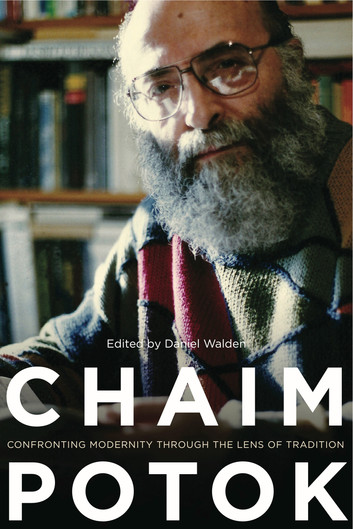
Description
Chaim Potok: Confronting Modernity Through the Lens of Tradition – A Comprehensive Synopsis
Chaim Potok is among America’s most significant Jewish writers. His novels explore the tension between tradition and modern life. Moreover, his work resonates with readers across cultural boundaries. This collection, edited by Daniel Walden, examines Potok’s literary legacy. Therefore, it offers fresh perspectives on his enduring contributions.
The book brings together scholarly essays about Potok’s fiction. Furthermore, it establishes him as an authentic American voice. His characters struggle with identity and faith in contemporary society.
Why Chaim Potok Matters in American Literature
Chaim Potok created unforgettable characters who navigate cultural conflicts. His novels include The Chosen, My Name Is Asher Lev, and The Promise. Additionally, his work bridges Jewish and mainstream American literature. Consequently, millions of readers worldwide connect with his stories.
Potok wrote about Orthodox Jewish communities with authenticity and depth. However, his themes transcend religious boundaries. His characters face universal questions about identity, art, and belonging. Therefore, his work appeals to diverse audiences.
The author served as a rabbi, scholar, and novelist. Moreover, he understood both traditional and modern worldviews intimately. This dual perspective enriched his storytelling. As a result, his novels offer nuanced explorations of cultural tension.
The Central Conflict: Modernity Versus Tradition
Potok’s novels illuminate a profound struggle within his characters. They desire to embrace modernity while honoring ancestral traditions. Furthermore, this conflict creates compelling dramatic tension. His protagonists often pursue secular knowledge or artistic expression.
However, their communities view such pursuits with suspicion or hostility. Therefore, characters must choose between competing value systems. Some find ways to integrate both worlds. Others experience painful ruptures with their communities.
This tension reflects broader American immigrant experiences. Moreover, it speaks to anyone balancing heritage with contemporary life. Potok’s genius lies in making specific cultural conflicts universally relatable. Consequently, readers from all backgrounds recognize these struggles.
What This Collection Offers Readers
Daniel Walden’s edited volume widens the critical lens on Potok’s work. The essays provide historical and literary context for understanding his novels. Additionally, they explore themes previously overlooked by critics.
The collection includes contributions from leading scholars in Jewish American literature. Furthermore, each essay offers fresh analytical perspectives. The book aims to establish Potok’s rightful place in the American literary canon.
Key Topics Explored in the Essays
The collection addresses several important themes:
- The reconciliation of religious faith with secular knowledge
- Artistic expression within traditional religious communities
- The immigrant experience in twentieth-century America
- Father-son relationships and generational conflict
- The role of mentorship in personal development
- Cultural identity formation in a pluralistic society
- The tension between individual calling and communal expectations
Literary Techniques and Narrative Strategies
Potok employed distinctive storytelling methods throughout his career. His narratives often follow bildungsroman structures. Moreover, he used first-person narration to create intimacy with readers. This technique allows deep psychological exploration of his protagonists.
His prose style remains accessible yet sophisticated. Furthermore, he balances philosophical depth with engaging plots. Potok avoided didacticism while exploring complex theological questions. Therefore, his novels serve both as entertainment and serious literature.
The author drew on his own experiences within Orthodox Judaism. However, he transformed autobiography into universal fiction. His characters face dilemmas he personally understood. Consequently, his portrayals carry authentic emotional weight.
The Significance of Cultural Confrontation
Potok’s work examines what happens when cultures collide. His characters inhabit multiple worlds simultaneously. Moreover, they must negotiate competing demands and loyalties. This negotiation process drives his narratives forward.
The novels show how individuals create hybrid identities. Furthermore, they demonstrate the costs of cultural boundary-crossing. Some characters succeed in bridging different worlds. Others suffer isolation or rejection from their communities.
These confrontations mirror larger American social dynamics. Additionally, they reflect global patterns of modernization and tradition. Potok’s fiction thus offers insights beyond its immediate Jewish context. Therefore, it contributes to broader conversations about cultural change.
Why Contemporary Readers Need This Book
Modern audiences continue discovering relevance in Potok’s novels. His themes remain urgent in our polarized times. Moreover, questions about identity and belonging persist across generations. This collection helps readers understand why his work endures.
The essays provide tools for a deeper appreciation of Potok’s artistry. Furthermore, they connect his fiction to contemporary cultural debates. Readers gain a historical perspective on the American Jewish experience. Consequently, they better understand multicultural American society.
The book serves students, scholars, and general readers alike. Additionally, it offers valuable insights for writers exploring cultural themes. Anyone interested in American literature will find important perspectives here.
The Editor’s Vision and Approach
Daniel Walden brings extensive expertise to this project. He stands among the founding figures in Jewish American literary criticism. Moreover, his editorial vision shapes the collection’s coherent focus. He selected essays that complement and build on one another.
Walden aims to elevate Potok’s critical reputation. Furthermore, he challenges dismissive readings of Potok’s work. Some critics previously undervalued Potok’s literary achievements. However, this collection makes a compelling case for reassessment.
The editor provides context that enriches individual essay contributions. Additionally, his introduction frames the collection’s scholarly interventions. Readers thus understand how these essays advance Potok studies. Therefore, the book functions as both an introduction and an advanced criticism.
Impact on Jewish American Literature
Potok helped establish Jewish American fiction as a major literary category. His commercial and critical success opened doors for other writers. Moreover, he demonstrated that ethnic-specific stories could achieve mainstream appeal. Publishers became more receptive to diverse voices as a result.
His novels influenced subsequent generations of Jewish American authors. Furthermore, they shaped how American readers understand Jewish culture. Potok made Orthodox Judaism accessible to outsiders without simplifying it. Consequently, he educated millions while entertaining them.
The author’s legacy extends beyond literature into popular culture. Additionally, his books remain widely taught in schools and universities. New readers continue discovering his work decades after its initial publication. Therefore, his influence persists and grows over time.
Conclusion: A Lasting Literary Legacy
This collection affirms Potok’s importance in American letters. The essays demonstrate the depth and complexity of his achievement. Moreover, they reveal dimensions of his work deserving further study. Readers finish the book with renewed appreciation for his artistry.
Potok’s exploration of modernity and tradition remains profoundly relevant. Furthermore, his compassionate portrayal of cultural conflict offers wisdom. In divisive times, his novels model respectful engagement across differences. Therefore, his work provides both literary pleasure and ethical guidance.
Daniel Walden’s collection serves as an essential resource for understanding Potok. Additionally, it invites ongoing conversation about his contributions. The book succeeds in widening critical perspectives on this important author. Consequently, it enriches our understanding of American literary history.





Reviews
There are no reviews yet.