

Description
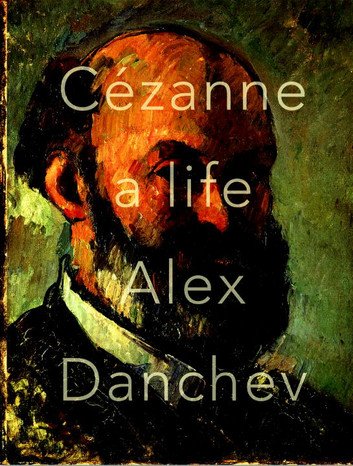
Cezanne: A Life – A Comprehensive Synopsis of Alex Danchev’s Definitive Biography
Cezanne: A Life by Alex Danchev offers readers an intimate portrait of Paul Cezanne. This acclaimed biography explores the French painter’s complex personality and revolutionary art. Moreover, Danchev draws on extensive research to reveal the man behind the masterpieces. The book examines Cezanne’s struggles, relationships, and artistic vision. Furthermore, it shows how this solitary genius transformed modern painting forever.
Early Years and Family Background
Paul Cezanne was born in 1839 in Aix-en-Provence, France. His father, Louis-Auguste, was a successful banker. Consequently, young Paul grew up in comfortable circumstances. However, his relationship with his father remained tense throughout his life.
Additionally, Cezanne’s mother provided emotional support during difficult times. His childhood friend Emile Zola became a lifelong companion. Nevertheless, their friendship would eventually end in bitter estrangement. Meanwhile, Cezanne struggled to find his artistic voice.
The Artist’s Development and Evolution
Breaking from Tradition
Cezanne initially studied law to please his father. However, he abandoned legal studies to pursue painting. Therefore, he moved to Paris in 1861 to study art. His early works showed dark, romantic themes and heavy brushwork.
Moreover, Cezanne faced repeated rejection from the official Salon. Nevertheless, he continued developing his unique style. Furthermore, he experimented with color and form relentlessly. His determination would eventually revolutionize painting.
The Impressionist Connection
Cezanne joined the Impressionist movement in the 1870s. However, he always remained somewhat apart from the group. Additionally, he exhibited with them twice but felt misunderstood. Meanwhile, he developed techniques that went beyond Impressionism.
Consequently, Cezanne began constructing forms through color modulation. His approach differed fundamentally from his contemporaries. Therefore, critics and audiences struggled to appreciate his work. Nevertheless, a few perceptive collectors recognized his genius.
Relationships: Family, Friends, and Fellow Artists
The Zola Friendship and Betrayal
Cezanne’s friendship with Emile Zola shaped his early years. Moreover, Zola provided financial and emotional support initially. However, their relationship deteriorated over time. Furthermore, Zola’s novel L’Oeuvre depicted a failed painter character.
Consequently, Cezanne felt deeply wounded by this portrayal. Therefore, he ended their decades-long friendship abruptly. Additionally, this betrayal increased his isolation and mistrust. Nevertheless, Cezanne continued working with renewed intensity.
Marriage and Family Life
Cezanne met Hortense Fiquet, a model, in 1869. However, he kept their relationship secret from his father. Moreover, they had a son together in 1872. Nevertheless, Cezanne didn’t marry Hortense until 1886.
Furthermore, their marriage remained complicated and often distant. Additionally, Cezanne spent long periods away from his family. Therefore, his relationships suffered due to his artistic obsession. Meanwhile, he maintained complex feelings about domestic life.
Artistic Relationships and Influences
Cezanne admired Pissarro, who became his mentor and friend. Moreover, Pissarro taught him about light and color. Additionally, Cezanne respected Monet’s achievements greatly. However, he sought something different in his own work.
Furthermore, younger artists like Gauguin and Bernard sought his advice. Consequently, Cezanne became increasingly influential despite limited recognition. Therefore, his Aix studio became a pilgrimage site for aspiring painters. Nevertheless, he remained suspicious of most visitors.
Working Methods and Artistic Philosophy
The Cezanne Approach to Painting
Cezanne worked slowly and methodically on each canvas. Moreover, he often abandoned paintings he deemed unsuccessful. Additionally, he returned to the same motifs repeatedly. Therefore, his output remained relatively small compared to contemporaries.
Furthermore, Cezanne believed in painting directly from nature. However, he transformed what he saw through careful analysis. Consequently, his landscapes became architectural constructions of color. Meanwhile, he developed theories about form and perception.
Key Artistic Principles
Danchev reveals Cezanne’s core beliefs about art and creation. Moreover, the painter sought to “realize his sensations” through paint. Additionally, he wanted to make Impressionism “solid and durable.” Therefore, he built forms through color rather than line.
Furthermore, Cezanne famously said he wanted to “do Poussin over from nature.” His goals included:
- Creating harmony between observation and imagination
- Constructing space through color modulation
- Achieving balance between sensation and order
- Revealing the underlying geometry of nature
- Making visible the invisible structure of reality
Consequently, these principles guided his entire mature career. Moreover, they influenced generations of artists after him.
The Mont Sainte-Victoire Obsession
Cezanne painted Mont Sainte-Victoire over sixty times. Moreover, this mountain near Aix became his signature subject. Additionally, each version explored different aspects of perception. Therefore, the series demonstrates his evolving vision.
Furthermore, these paintings show his method of building form through color. However, they also reveal his spiritual connection to the landscape. Consequently, Mont Sainte-Victoire became synonymous with Cezanne’s achievement. Meanwhile, collectors and museums prize these works today.
Struggles, Challenges, and Perseverance
Financial Difficulties and Dependence
Despite his father’s wealth, Cezanne often struggled financially. Moreover, his father controlled the family money tightly. Additionally, Louis-Auguste disapproved of his son’s artistic career. Therefore, Cezanne received only a modest allowance.
Furthermore, he depended on his father’s support for decades. However, this dependence created resentment and tension. Consequently, Cezanne felt trapped between artistic freedom and financial necessity. Nevertheless, he refused to compromise his vision.
Critical Rejection and Mockery
The art establishment consistently rejected Cezanne’s work. Moreover, critics mocked his paintings as incompetent. Additionally, the public found his style crude and unfinished. Therefore, he endured decades of humiliation and dismissal.
Furthermore, even fellow artists sometimes questioned his abilities. However, Cezanne persisted despite constant discouragement. Consequently, his determination became legendary among later admirers. Meanwhile, he developed a thick skin against criticism.
Personal Demons and Temperament
Cezanne struggled with anxiety and self-doubt throughout his life. Moreover, he suffered from diabetes in later years. Additionally, his temper could be explosive and unpredictable. Therefore, maintaining relationships proved difficult for him.
Furthermore, he feared physical contact and avoided crowds. However, he craved recognition and understanding simultaneously. Consequently, his personality remained full of contradictions. Nevertheless, these struggles fueled his artistic intensity.
Isolation and Solitude
Cezanne increasingly withdrew from Parisian art circles. Moreover, he spent most of his time in Aix-en-Provence. Additionally, he worked alone in the countryside for hours. Therefore, his isolation became both chosen and imposed.
Furthermore, this solitude allowed intense focus on his work. However, it also increased his eccentricity and suspicion. Consequently, legends grew about the hermit painter of Provence. Meanwhile, his reputation slowly began to change.
Legacy and Influence on Modern Art
The Cezanne Revolution
Cezanne’s influence on twentieth-century art proved immeasurable. Moreover, he became known as the “father of modern art.” Additionally, his work inspired Cubism, Fauvism, and Abstract Expressionism. Therefore, virtually every modern movement owes him a debt.
Furthermore, Picasso and Braque studied his paintings intensely. However, Matisse also drew crucial lessons from his color use. Consequently, Cezanne’s legacy extends across multiple artistic directions. Meanwhile, his reputation continues growing today.
Recognition and Vindication
Late in life, Cezanne finally received some recognition. Moreover, younger artists began making pilgrimages to see him. Additionally, dealer Ambroise Vollard organized a successful exhibition. Therefore, his final years brought some satisfaction.
Furthermore, a major retrospective occurred shortly after his death. However, true appreciation came only posthumously. Consequently, Cezanne never fully witnessed his triumph. Nevertheless, his influence became undeniable within years.
Impact on Subsequent Generations
Artists continue studying Cezanne’s methods and achievements today. Moreover, his paintings command astronomical prices at auction. Additionally, museums worldwide feature his works prominently. Therefore, his cultural importance remains unquestioned.
Furthermore, art historians constantly reexamine his contributions. However, his work still challenges and inspires viewers. Consequently, Cezanne’s relevance transcends historical periods. Meanwhile, new generations discover his genius continually.
Key Themes and Aspects Covered in the Biography
Danchev’s Cezanne: A Life explores numerous interconnected themes. Moreover, the biography provides comprehensive coverage of the artist’s world. Additionally, readers gain insight into both the man and his era. Therefore, the book serves multiple purposes simultaneously.
The major themes include:
- The artist’s psychological complexity – his anxieties, obsessions, and contradictions
- Creative process and methodology – how Cezanne actually worked and thought
- Relationships and their impact – family, friends, and fellow artists
- The struggle for recognition – decades of rejection and eventual triumph
- Artistic philosophy and theory – Cezanne’s ideas about painting and perception
- Social and historical context – France during a transformative period
- The development of modern art – Cezanne’s pivotal role in art history
- Personal correspondence – letters revealing his thoughts and feelings
- Critical reception over time – how opinions about his work evolved
- Legacy and continuing influence – impact on subsequent art movements
Furthermore, Danchev weaves these themes together masterfully. Consequently, readers understand Cezanne’s life holistically. Moreover, the biography illuminates connections between life and art.
Danchev’s Biographical Approach and Methodology
Research and Sources
Alex Danchev conducted exhaustive research for this Cezanne biography. Moreover, he examined thousands of letters and documents. Additionally, he consulted archives across France and beyond. Therefore, the book rests on solid scholarly foundations.
Furthermore, Danchev interviewed descendants and experts extensively. However, he also brought fresh perspectives to familiar material. Consequently, the biography offers new insights despite abundant previous scholarship. Meanwhile, his writing remains accessible to general readers.
Narrative Style and Structure
Danchev writes with literary flair and psychological insight. Moreover, he avoids dry academic prose effectively. Additionally, he creates vivid scenes and compelling characterizations. Therefore, the biography reads almost like a novel.
Furthermore, he balances chronological narrative with thematic exploration. However, he never loses sight of the human story. Consequently, readers connect emotionally with Cezanne’s struggles. Meanwhile, they also understand his artistic achievements deeply.
Critical Perspective
Danchev neither idealizes nor diminishes his subject. Moreover, he presents Cezanne’s flaws alongside his genius. Additionally, he examines the artist’s difficult personality honestly. Therefore, the portrait feels authentic and three-dimensional.
Furthermore, Danchev contextualizes Cezanne within his historical moment. However, he also explains his timeless relevance clearly. Consequently, readers appreciate both historical and contemporary significance. Meanwhile, the biography serves scholars and enthusiasts equally.
Use of Primary Sources
The biography extensively quotes Cezanne’s own words. Moreover, letters to family and friends appear throughout. Additionally, recorded conversations with visitors provide direct testimony. Therefore, Cezanne’s voice emerges clearly from the pages.
Furthermore, Danchev includes observations from contemporaries and critics. However, he analyzes these sources critically and thoughtfully. Consequently, readers distinguish between myth and reality. Meanwhile, the complexity of historical truth becomes apparent.
Conclusion: A Definitive Portrait
Cezanne: A Life stands as the definitive biography of this revolutionary artist. Moreover, Danchev captures both the man’s complexity and his genius. Additionally, the book illuminates how personal struggle fueled artistic innovation. Therefore, readers understand Cezanne more completely than ever before.
Furthermore, this biography demonstrates how one individual transformed art history. However, it also shows the human cost of such achievement. Consequently, the book offers lessons about creativity, perseverance, and vision. Meanwhile, it remains essential reading for anyone interested in art.
Ultimately, Danchev’s masterful work ensures Cezanne’s story reaches new audiences. Moreover, it provides scholars with invaluable insights and analysis. Additionally, it celebrates an artist who changed how we see the world. Therefore, this biography honors Cezanne’s legacy while making it accessible to all.



Reviews
There are no reviews yet.