

Description
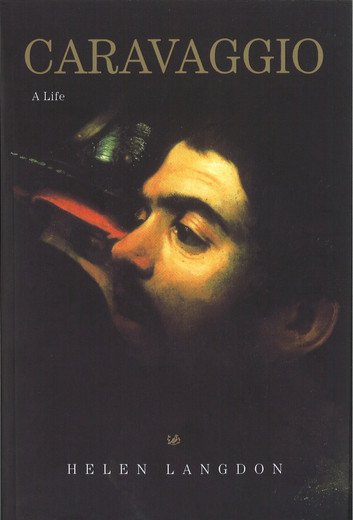
Caravaggio by Helen Langdon: A Definitive Biography Synopsis
Introduction to Helen Langdon’s Masterwork
Helen Langdon’s biography of Caravaggio stands as a landmark achievement in art historical literature. This comprehensive work explores the tumultuous life of one of history’s most revolutionary painters. Moreover, it represents the first major English biography of Caravaggio in over two generations. The book combines meticulous research with engaging narrative storytelling. Furthermore, it includes stunning color reproductions and detailed illustrations throughout.
Caravaggio’s Early Life in Plague-Ridden Milan
Childhood Amid Disease and Death
The artist was born Michelangelo Merisi in 1571 in Milan. His childhood unfolded during one of history’s darkest periods. Plague ravaged the city repeatedly during his formative years. Consequently, death and suffering became familiar companions from an early age. His father worked as an architect and household administrator. However, the plague claimed his father’s life when Caravaggio was just six years old.
Formative Years and Artistic Training
The young Caravaggio began his artistic apprenticeship in Milan. He studied under Simone Peterzano, a respected local painter. Additionally, he absorbed the influences of Lombard naturalism during this period. The training emphasized careful observation of nature and realistic detail. Meanwhile, Milan’s artistic traditions shaped his developing vision. These early experiences would profoundly influence his revolutionary style.
The Journey to Rome
Arriving in the Eternal City
Caravaggio arrived in Rome around 1592 as an unknown artist. The city teemed with artistic opportunity and fierce competition. Therefore, he initially struggled to establish himself professionally. He worked in various workshops producing commercial paintings. Furthermore, he lived in poverty during these difficult early years. However, his exceptional talent would soon attract powerful patrons.
Breaking Through to Success
His breakthrough came through a series of remarkable early works. These paintings demonstrated his unique approach to religious subjects. Moreover, they showcased his mastery of dramatic lighting effects. Cardinal Francesco Maria Del Monte became his first major patron. Consequently, Caravaggio gained access to Rome’s elite artistic circles. His reputation began spreading rapidly throughout the city.
Revolutionary Artistic Style
The Birth of Dramatic Realism
Langdon’s biography carefully examines Caravaggio’s groundbreaking artistic innovations. He rejected the idealized beauty favored by Renaissance masters. Instead, he painted ordinary people with unflinching honesty. Additionally, he used dramatic contrasts of light and shadow. This technique, called chiaroscuro, became his signature style. Furthermore, he painted directly from live models without preparatory drawings.
Key Characteristics of His Approach
Caravaggio’s revolutionary style included several distinctive elements:
- Intense naturalism and rejection of idealization
- Dramatic use of light and shadow (chiaroscuro)
- Common people as models for religious figures
- Emotional intensity and psychological depth
- Direct painting without preliminary sketches
- Dark backgrounds that heightened the dramatic effect
Impact on Religious Art
His approach to religious subjects shocked contemporary viewers. He depicted saints and biblical figures as real people. Moreover, he included gritty details that many found disturbing. However, this realism made religious stories feel immediate and powerful. Therefore, his work attracted both passionate admirers and fierce critics. His paintings sparked heated debates throughout Rome’s artistic community.
Success and Scandal in Rome
Major Commissions and Masterpieces
Caravaggio received increasingly prestigious commissions during his Roman period. He created altarpieces for major churches throughout the city. Furthermore, wealthy collectors competed to acquire his secular works. His paintings of saints, martyrs, and biblical scenes revolutionized religious art. Additionally, he produced stunning still lifes and genre scenes. Each work demonstrated his unparalleled technical mastery and emotional power.
The Contarelli Chapel Commission
The Contarelli Chapel commission marked a turning point in his career. He created three monumental paintings depicting Saint Matthew’s life. Moreover, these works showcased his mature style at its finest. The dramatic lighting and realistic figures captivated viewers. However, one painting was initially rejected as too vulgar. Consequently, he created a replacement that satisfied church authorities.
Growing Reputation and Influence
His fame spread beyond Rome to other Italian cities. Other artists began imitating his distinctive style and techniques. Furthermore, collectors throughout Europe eagerly sought his works. He commanded high prices and enjoyed considerable financial success. Meanwhile, his influence on younger painters grew increasingly profound. However, his personal life remained turbulent and often violent.
The Dark Side: Violence and Controversy
A Volatile Temperament
Langdon’s biography doesn’t shy away from Caravaggio’s darker aspects. He possessed a notoriously violent and unpredictable temperament. Moreover, he frequently engaged in street brawls and disputes. Police records document numerous arrests and legal troubles. Additionally, he carried weapons illegally and threatened rivals. His aggressive behavior contrasted sharply with his artistic genius.
Escalating Legal Problems
His legal troubles escalated throughout his Roman years. He faced charges ranging from assault to defamation. Furthermore, he spent time in prison on multiple occasions. Powerful patrons repeatedly intervened to secure his release. However, each incident further damaged his reputation. Therefore, his position in Roman society became increasingly precarious.
The Fatal Encounter
In 1606, a dispute over a tennis match turned deadly. Caravaggio killed a man named Ranuccio Tomassoni in a brawl. Consequently, he faced a death sentence from papal authorities. This event marked the end of his successful Roman period. Moreover, it forced him into exile and into a life of perpetual flight. He would never return to Rome or regain his former security.
Exile and Persecution
Flight from Rome
Caravaggio fled Rome immediately after the fatal brawl. He sought refuge in Naples, outside papal jurisdiction. Additionally, he continued painting to support himself during exile. His Neapolitan works maintained his characteristic dramatic intensity. Furthermore, powerful patrons continued supporting him despite his fugitive status. However, he desperately sought a papal pardon for his crime.
The Maltese Interlude
He traveled to Malta seeking protection and redemption. The Knights of Malta welcomed him and commissioned major works. Moreover, they inducted him into their prestigious order. He created some of his most powerful paintings there. However, his violent nature soon caused problems again. Consequently, he was imprisoned and expelled from the order.
Wandering Through Sicily
After Malta, Caravaggio wandered through Sicily, painting commissioned works. He created masterpieces in Messina, Syracuse, and Palermo. Additionally, his style grew darker and more introspective. The paintings reflected his psychological torment and desperation. Furthermore, he lived in constant fear of assassins. His enemies pursued him relentlessly throughout his exile.
Final Years and Mysterious Death
The Quest for Pardon
Caravaggio spent his final years seeking papal forgiveness. He negotiated through intermediaries for a possible pardon. Moreover, he created paintings as gifts to influential cardinals. His supporters worked tirelessly on his behalf in Rome. However, the process moved frustratingly slowly through bureaucratic channels. Meanwhile, his health and mental state deteriorated steadily.
Return Journey to Rome
In 1610, news arrived that his pardon was imminent. He immediately began the journey back to Rome by sea. Additionally, he carried paintings intended as gifts for patrons. However, Spanish authorities arrested him at a coastal town. They mistakenly identified him as someone else and imprisoned him. Consequently, the ship carrying his belongings departed without him.
Death on a Desolate Beach
After his release, Caravaggio pursued the ship along the coast. He reached Porto Ercole exhausted. Moreover, he had contracted a fever during his ordeal. He died there on July 18, 1610, at age 38. The exact circumstances of his death remain mysterious and debated. Furthermore, his body was buried in an unmarked grave.
Langdon’s Biographical Approach
Meticulous Research and Documentation
Helen Langdon’s biography draws on extensive archival research. She examined police records, legal documents, and contemporary accounts. Additionally, she analyzed letters, contracts, and financial records. Her research provides unprecedented detail about Caravaggio’s daily life. Moreover, she places his story within broader historical contexts. The book represents decades of scholarly investigation and analysis.
Balancing Art and Life
Langdon skillfully balances artistic analysis with biographical narrative. She examines how his life experiences influenced his art. Furthermore, she explores the psychological dimensions of his work. Each major painting receives detailed discussion and interpretation. Additionally, she considers how contemporary viewers responded to his innovations. The book illuminates both the man and his artistic legacy.
Accessible Yet Scholarly
The biography maintains scholarly rigor while remaining highly readable. Langdon writes with clarity and engaging narrative drive. Moreover, she avoids excessive academic jargon and obscure terminology. General readers can follow the story without specialized knowledge. However, art historians will appreciate the depth of research. Therefore, the book appeals to both popular and academic audiences.
The Book’s Significance
Filling a Critical Gap
This biography filled a significant gap in English-language scholarship. No major English biography had appeared for over two generations. Consequently, readers lacked a comprehensive modern account of his life. Moreover, previous biographies had become outdated through new research. Langdon’s work incorporated decades of recent scholarly discoveries. Furthermore, it presented fresh interpretations of familiar material.
Critical Reception and Impact
The book received widespread acclaim from critics and scholars. Reviewers praised its thorough research and engaging narrative style. Additionally, it won recognition as a definitive biographical account. The work significantly influenced subsequent Caravaggio scholarship. Moreover, it introduced new audiences to the artist’s fascinating story. Therefore, it remains an essential resource for anyone studying Caravaggio.
Visual Elements and Illustrations
Color Reproductions of Major Works
The book includes numerous high-quality color reproductions. Readers can examine Caravaggio’s masterpieces in excellent detail. Moreover, the reproductions capture his dramatic lighting effects effectively. Each major painting discussed is illustrated. Additionally, lesser-known works appear alongside famous masterpieces. The visual material greatly enhances understanding of his artistic development.
Historical Documents and Illustrations
Beyond paintings, the book includes a variety of historical illustrations. Period maps show the cities where Caravaggio lived and worked. Furthermore, contemporary engravings depict Rome as it was during his lifetime. Historical documents appear in facsimile reproduction. Additionally, portraits of patrons and contemporaries provide context. These visual elements bring the historical period vividly to life.
Themes Explored in the Biography
Genius and Madness
Langdon explores the relationship between artistic genius and personal demons. Caravaggio’s brilliance coexisted with destructive, violent impulses. Moreover, his psychological complexity manifests in his powerful paintings. The biography examines how trauma shaped his artistic vision. Additionally, it considers whether his behavior reflected mental illness. However, Langdon avoids simplistic psychological reductionism in her analysis.
Art and Society
The book examines Caravaggio’s complex relationship with contemporary society. He challenged artistic conventions and social expectations simultaneously. Furthermore, his work reflected tensions within Counter-Reformation Catholicism. His realistic approach to religious subjects sparked theological debates. Additionally, his behaviorrepeatedly violated social norms. Therefore, he remained perpetually at odds with established authority.
Redemption and Damnation
Questions of redemption haunt Caravaggio’s story throughout. He sought forgiveness for his crimes until his death. Moreover, his religious paintings explore themes of sin and salvation. The biography traces his spiritual struggles through his artwork. Additionally, it examines whether he achieved any personal redemption. However, his tragic death prevented the pardon he desperately sought.
Legacy and Influence
Impact on Baroque Art
Caravaggio’s influence on subsequent art history proved immense and lasting. He essentially created the Baroque style of dramatic realism. Moreover, countless artists imitated his techniques and approach. His followers, called Caravaggisti, spread his influence throughout Europe. Additionally, his impact extended across multiple generations of painters. Therefore, he ranks among history’s most influential artists.
Rediscovery and Modern Appreciation
His reputation declined for several centuries after his death. Academic critics dismissed his work as vulgar and unrefined. However, the twentieth century brought renewed appreciation and study. Moreover, modern viewers respond powerfully to his emotional intensity. His psychological depth resonates with contemporary sensibilities. Consequently, he now enjoys recognition as an absolute master.
Conclusion: A Definitive Portrait
Helen Langdon’s biography of Caravaggio stands as the definitive English-language account. She presents a complete portrait of this complex, troubled genius. Moreover, she illuminates both his revolutionary artistic achievements and personal struggles. The book combines rigorous scholarship with compelling narrative storytelling. Additionally, the color reproductions allow readers to fully appreciate his masterpieces.
The biography succeeds on multiple levels simultaneously. It serves as an accessible introduction for general readers. Furthermore, it provides valuable insights for art history scholars. The book captures the drama and tragedy of his extraordinary life. Moreover, it explains his lasting significance to Western art history.
For anyone interested in Caravaggio, Renaissance art, or artistic biography, this book is essential. Langdon has created a work that honors her subject’s complexity. She neither romanticizes his violence nor diminishes his artistic genius. Instead, she presents an honest, nuanced portrait of a revolutionary artist. Therefore, this biography will remain the standard reference for years to come.


Reviews
There are no reviews yet.