

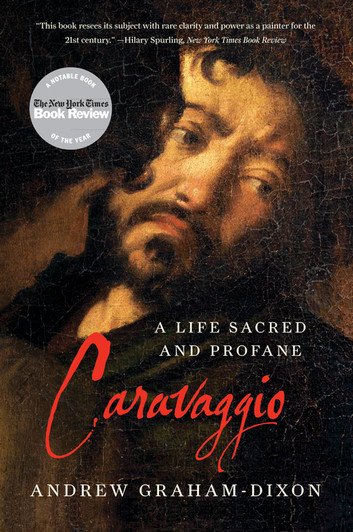
Description
Discover the Genius and Darkness Behind a Baroque Master
Caravaggio A Life Sacred and Profane by Andrew Graham-Dixon stands as the definitive biography of one of art history’s most revolutionary and controversial figures.
This masterful work explores the extraordinary duality of Michelangelo Merisi da Caravaggio—a painter who created transcendent religious masterpieces while living a life marked by violence, passion, and tragedy.
Graham-Dixon, one of Britain’s leading art historians, combines meticulous scholarship with compelling narrative to reveal the complete story of the man who changed painting forever.
Why Read Caravaggio A Life Sacred and Profane?
This biography offers readers an unprecedented look into the turbulent world of seventeenth-century Italy. Moreover, it examines how Caravaggio’s personal demons fueled his artistic genius. Graham-Dixon spent years researching archival documents, court records, and contemporary accounts. Consequently, he presents the most accurate portrait of Caravaggio ever written. The book illuminates not just the artist’s techniques but also the cultural and religious context that shaped his work.
The Revolutionary Artist Who Changed Everything
Caravaggio transformed European painting through his radical innovations. He rejected the idealized beauty of Renaissance art. Instead, he painted real people with unflinching honesty. His subjects included prostitutes, beggars, and street urchins as models for saints and angels. This approach scandalized the establishment yet captivated patrons and viewers alike.
His mastery of chiaroscuro—the dramatic contrast between light and darkness—created unprecedented emotional intensity. Furthermore, his use of tenebrism brought figures out of deep shadows into brilliant illumination. These techniques made his religious scenes feel immediate and visceral. Viewers felt as though they were witnessing biblical events firsthand.
Caravaggio A Life Sacred and Profane: The Sacred Works
Graham-Dixon provides detailed analysis of Caravaggio’s most important religious commissions. The book explores masterpieces like “The Calling of Saint Matthew” and “The Conversion of Saint Paul.” Additionally, it examines the controversial “Death of the Virgin,” which was rejected for depicting Mary too realistically. Each painting receives thorough contextualization within Counter-Reformation theology and artistic tradition.
The biography reveals how Caravaggio’s sacred art contained profound spiritual insight. Despite his troubled personal life, he understood religious experience deeply. His paintings communicate divine grace through earthly reality. Therefore, they remain powerful devotional images centuries later.
The Profane Life: Violence, Murder, and Exile
However, Caravaggio’s personal behavior contradicted the sanctity of his religious subjects. He was frequently arrested for brawling, carrying weapons illegally, and insulting authorities. His temper was legendary throughout Rome. Moreover, he associated with criminals, gamblers, and prostitutes in the city’s roughest neighborhoods.
The turning point came in 1606 when Caravaggio killed Ranuccio Tomassoni during a street fight. Whether the death resulted from a duel or brawl remains debated. Nevertheless, the murder forced Caravaggio to flee Rome under sentence of death. He spent his final four years as a fugitive, moving between Naples, Malta, and Sicily.
Andrew Graham-Dixon’s Groundbreaking Research
Caravaggio A Life Sacred and Profane distinguishes itself through Graham-Dixon’s exhaustive original research. The author examined previously overlooked documents in Italian archives. Consequently, he uncovered new details about Caravaggio’s family background, early training, and criminal activities. He also consulted medical and psychological experts to understand the artist’s possible mental health conditions.
Graham-Dixon’s expertise as an art critic and historian enriches every page. He explains technical aspects of painting without overwhelming general readers. Furthermore, he places Caravaggio within broader artistic movements and historical events. The result is both scholarly and accessible.
What Makes This Biography Essential Reading
This book offers multiple layers of insight for different readers:
- Art enthusiasts gain deep understanding of Caravaggio’s revolutionary techniques and lasting influence.
- Biography lovers discover a gripping narrative of genius, violence, and redemption.
- History buffs explore Counter-Reformation Rome, papal politics, and seventeenth-century Italian society.
- Psychology readers examine the connection between creativity and psychological turmoil.
- General readers enjoy a compelling story told with novelistic flair and scholarly authority.
The Duality at the Heart of Caravaggio A Life Sacred and Profane
Graham-Dixon’s central theme explores the paradox of Caravaggio’s existence. How could someone so violent create such spiritually profound art? The author argues that Caravaggio’s personal darkness actually deepened his religious vision. His intimate knowledge of sin made his depictions of grace more authentic. Additionally, his outsider status allowed him to see sacred subjects with fresh eyes.
This duality manifests throughout the biography’s structure and analysis. Each chapter balances discussion of artistic achievements with accounts of personal misconduct. Therefore, readers understand Caravaggio as a complete, complex human being rather than a simplified genius or villain.
Caravaggio’s Lasting Impact on Art History
The biography traces Caravaggio’s enormous influence on subsequent generations of artists. His naturalistic style and dramatic lighting inspired the Caravaggisti movement across Europe. Masters like Rembrandt, Velázquez, and Rubens studied his innovations. Even today, photographers and filmmakers employ techniques he pioneered four centuries ago.
Graham-Dixon demonstrates how Caravaggio made art more democratic and emotionally direct. He proved that painting could capture raw human experience without classical idealization. Consequently, he opened new possibilities for artistic expression that continue resonating in contemporary culture.
The Final Years: Desperation and Masterpieces
Caravaggio’s exile period produced some of his greatest and most disturbing works. Paintings like “The Beheading of Saint John the Baptist” reflect his psychological state as a fugitive. Moreover, his late self-portraits show a man haunted by violence and seeking redemption. Graham-Dixon poignantly describes the artist’s desperate attempts to secure a papal pardon.
The biography’s conclusion recounts Caravaggio’s mysterious death in 1610 at age thirty-eight. He died alone on a beach, possibly from fever, possibly from wounds. His body was never properly identified. Thus, even his death remains shrouded in the darkness that characterized his life.
Why Caravaggio A Life Sacred and Profane Stands Above Other Biographies
Several earlier biographies have attempted to capture Caravaggio’s story. However, Graham-Dixon’s work surpasses them through superior research, elegant prose, and balanced judgment. He avoids romanticizing the artist while acknowledging his genius. Furthermore, he corrects numerous myths and errors that plagued previous accounts.
The book’s extensive notes and bibliography demonstrate its scholarly rigor. Yet the narrative flows with the pace and drama of a thriller. Graham-Dixon writes with clarity and passion, making complex art historical concepts understandable. Therefore, the biography appeals equally to specialists and general readers.
Critical Acclaim and Reader Reception
Caravaggio A Life Sacred and Profane received widespread critical praise upon publication. Reviewers lauded Graham-Dixon’s research, writing, and interpretive insights. The book appeared on numerous “best of year” lists. Additionally, it won several awards for biography and art history writing.
Readers consistently praise the biography’s readability and depth. Many report that it transformed their understanding of Caravaggio’s art. Others appreciate how it illuminates the broader historical period. The book has introduced countless new admirers to Caravaggio’s revolutionary paintings.
Essential Themes Explored Throughout the Biography
Graham-Dixon weaves several important themes throughout his narrative:
- The relationship between art and morality: Can great art emerge from immoral lives?
- Realism versus idealization: How Caravaggio’s naturalism challenged artistic conventions.
- The Counter-Reformation context: How religious reform shaped artistic patronage and subject matter.
- Genius and madness: The psychological dimensions of creative brilliance.
- Redemption and damnation: Caravaggio’s spiritual struggles reflected in his work.
Who Should Read This Biography
This book rewards anyone interested in art, history, biography, or human psychology. Art students and professionals will find invaluable analysis of technique and composition. However, no specialized knowledge is required to enjoy the narrative. Graham-Dixon explains everything clearly while maintaining sophisticated analysis.
The biography also appeals to readers who enjoy stories of flawed, complex individuals. Caravaggio’s life contains all the elements of great drama: genius, violence, passion, exile, and tragedy. Furthermore, the historical setting provides fascinating glimpses into Renaissance and Baroque Italy.
The Sacred and Profane Legacy
Ultimately, Caravaggio A Life Sacred and Profane reveals how one artist’s contradictions produced timeless beauty. Caravaggio lived between extremes of sanctity and sin, light and darkness, genius and madness. His paintings embody these tensions, which explain their enduring power. Graham-Dixon’s biography honors this complexity without simplifying or sanitizing it.
The book demonstrates that understanding Caravaggio’s life enriches appreciation of his art. Each painting becomes more meaningful when viewed through the lens of his experiences. Conversely, his artworks illuminate aspects of his personality and beliefs that historical records alone cannot reveal.
Conclusion: An Indispensable Portrait of Artistic Genius
Andrew Graham-Dixon’s Caravaggio A Life Sacred and Profane stands as the essential biography of this revolutionary artist. Through meticulous research and elegant prose, Graham-Dixon brings Caravaggio fully to life. Readers encounter both the visionary painter and the violent, troubled man. The biography succeeds because it embraces rather than resolves these contradictions.
Whether you’re an art history expert or simply curious about one of history’s most fascinating figures, this book delivers profound insights and compelling storytelling. It illuminates not just one man’s life but an entire era of artistic and cultural transformation. For anyone seeking to understand Caravaggio’s genius and the darkness that accompanied it, this biography is absolutely indispensable.


Reviews
There are no reviews yet.