

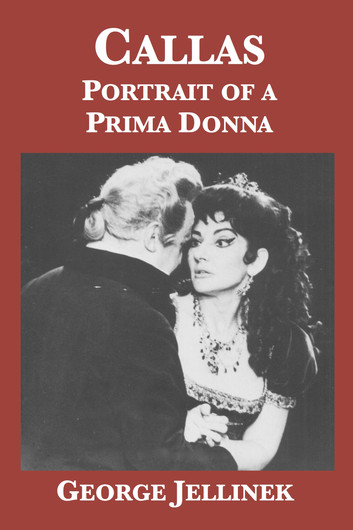
Description
Callas: Portrait of a Prima Donna by George Jellinek – The Definitive Maria Callas Biography
Introduction: Capturing Opera’s Greatest Legend
This Maria Callas biography stands as the definitive portrait of opera’s most iconic diva, offering exclusive access to her world as it unfolded. George Jellinek wrote this authoritative account while Callas’s career was still unfolding and captured the legendary soprano at the absolute height of her fame, making it a rare firsthand chronicle unavailable in later works.
Maria Callas was the most glamorous opera singer of her era. She was also the most idolized and criticized figure in operatic history. Moreover, no singer before or since has inspired such intense discussion and debate.
Jellinek’s book offers readers an extraordinary window into Callas’s world. It chronicles her remarkable struggles and her breathtaking triumphs. Additionally, the biography features 64 stunning photographs from her personal life and famous roles.
This early biography captures the diva in real time during the 1950s. Jellinek wrote with insight, balance, and deep understanding of his subject. Therefore, readers experience Callas as her contemporaries saw her during her peak years.
The book remains essential reading for opera lovers and music historians because it offers a uniquely contemporary perspective. It provides firsthand context that later biographies cannot, as Jellinek observed her rise and transformation directly. Furthermore, his early and perceptive take reveals singular insights into her artistry and personality, making this biography a standout resource.
The Author: George Jellinek’s Unique Perspective
George Jellinek brought exceptional credentials to this Maria Callas biography project. He was a respected music critic and radio broadcaster with a deep knowledge of opera. Moreover, he understood the operatic world from both artistic and cultural perspectives.
Jellinek wrote this biography during a crucial period in Callas’s career. He had access to fresh interviews, recent performances, and contemporary accounts. Therefore, his portrait captures the immediacy and excitement of her meteoric rise.
His balanced approach sets this biography apart from sensationalized accounts. Jellinek neither worshipped nor condemned his controversial subject but sought truth. Additionally, he examined both her artistic genius and her complex personality honestly.
The author’s timing proved perfect for documenting Callas’s impact on opera. He witnessed her transformation of the art form in real time. Because of this, his observations carry weight that retrospective accounts cannot match.
Jellinek’s writing style makes complex operatic concepts accessible to general readers, a major advantage. He explains technical aspects clearly without jargon, opening the world of opera to non-experts. By balancing musical analysis with engaging storytelling, he ensures broader appeal and reader understanding.
Early Life: Where It All Began
The Maria Callas biography begins with her childhood and formative years. She was born Maria Anna Sofia Cecilia Kalogeropoulos in New York City. However, her family’s Greek heritage would profoundly influence her life and career.
Callas’s early years were marked by family tension and personal struggle. Her parents’ troubled marriage created an unstable home environment for young Maria. Moreover, she faced challenges that would shape her fierce determination and drive.
Jellinek explores how Callas’s childhood experiences fueled her artistic ambition. She found refuge and purpose in music from a very young age. Therefore, singing became both her escape and her path to greatness.
The biography examines her early vocal training and musical education. Callas showed exceptional talent that demanded serious cultivation and development. Additionally, her teachers recognized something special in her voice and dramatic instincts.
Her relationship with her mother proved particularly complex and influential. This dynamic would affect Callas throughout her entire life and career. Because of this complicated bond, she developed both strength and vulnerability.
War and Greece: Formative Years in Crisis
Jellinek’s biography details Callas’s crucial years in Greece during World War II. The family returned to Athens when Maria was just a teenager. Furthermore, these war years proved transformative for her vocal and dramatic development.
Despite the hardships of wartime Greece, Callas pursued her musical studies intensely. She studied at the Athens Conservatoire under demanding and skilled teachers. Moreover, she performed publicly even as war raged around her and her family.
These difficult years forged her legendary determination and work ethic. Callas learned to persevere through hunger, danger, and extreme personal hardship. Therefore, she developed the mental toughness that would define her later career.
The Greek period also shaped her understanding of dramatic interpretation and character. She absorbed the emotional depth of ancient Greek tragedy during these years. Additionally, she began developing her unique approach to operatic roles and storytelling.
Jellinek shows how wartime experiences influenced Callas’s artistic choices throughout her career. The suffering she witnessed gave her performances authentic emotional depth and power. Because of these experiences, she could convey genuine tragedy and passion onstage.
In Search of a Break: The Struggle for Recognition
After the war, Callas faced the daunting challenge of launching her career. She returned to New York, hoping to find opportunities in American opera. However, the breakthrough she desperately needed remained frustratingly out of reach initially.
The biography chronicles her rejections, disappointments, and near-misses during this period. Major opera houses failed to recognize her extraordinary potential at first. Moreover, she struggled with weight issues that affected how directors perceived her.
Callas’s determination never wavered despite these setbacks and professional disappointments. She continued studying, practicing, and seeking any opportunity to perform and improve. Furthermore, she refined her technique and expanded her repertoire relentlessly during this time.
Jellinek details her eventual decision to return to Europe to pursue opportunities. Italy would become the stage where she finally achieved her breakthrough. Therefore, this move proved crucial to her transformation into an international star.
The struggle for recognition shaped Callas’s later attitudes toward success and fame. She never forgot the years of rejection and professional struggle she endured. Additionally, this period intensified her drive to prove herself to doubters and critics.
Enter Meneghini: Partnership and Transformation
Giovanni Battista Meneghini’s entrance into Callas’s life changed everything for the singer. He was a wealthy Italian industrialist who became her husband and manager. Moreover, he provided the financial stability and support she desperately needed early on.
Meneghini believed in Callas’s talent when few others in the industry did. He invested his money, time, and energy in strategically promoting her career. Furthermore, he helped her navigate the complex politics of the Italian opera world.
The biography carefully examines their partnership from both personal and professional angles. Their relationship was complex, combining genuine affection with practical business considerations. Therefore, understanding this dynamic is essential to comprehending Callas’s rise to fame.
Under Meneghini’s management, Callas began securing important roles in major Italian houses. He negotiated contracts, handled finances, and fiercely and effectively protected her interests. Additionally, he provided emotional support during the demanding early years of her career.
Jellinek presents a balanced view of Meneghini’s influence on Callas’s development. While he enabled her success, he also controlled many aspects of her life. Because of this complex dynamic, their relationship would eventually become problematic and constraining.
Toward the Top: The Ascent Begins
This biography of Maria Callas captures her remarkable ascent to operatic stardom in detail. Her performances in Italy during the late 1940s began attracting serious critical attention. Furthermore, conductors and directors started recognizing her unique gifts and dramatic intelligence.
Callas’s voice combined power, agility, and emotional expressiveness in unprecedented ways. She could sing both heavy dramatic roles and lighter coloratura parts brilliantly. Moreover, her vocal range and technical abilities seemed almost superhuman to audiences.
Her dramatic interpretations revolutionized how opera was performed and how audiences understood it. Callas didn’t just sing roles; she inhabited characters completely and authentically. Therefore, she brought psychological depth to opera, transforming the entire art form.
Jellinek chronicles her breakthrough performances in works like “Norma” and “La Traviata.” These roles showcased her ability to combine vocal brilliance with dramatic truth. Additionally, they established her as a unique force in the opera world.
Her reputation spread rapidly throughout Europe and eventually reached America and beyond. Opera houses competed to book her for their most prestigious productions. Because of her growing fame, Callas could finally choose her roles and terms.
A Crucial Year: 1954 and Career Transformation
The biography identifies 1954 as a pivotal year in Callas’s career trajectory. She performed at La Scala, Chicago Lyric Opera, and other major venues. Furthermore, her performances that year cemented her status as opera’s reigning queen.
Her dramatic weight loss during this period completely transformed her public image. Callas shed over 80 pounds, becoming glamorous and photogenic almost overnight. Moreover, this physical transformation significantly increased her appeal beyond traditional opera audiences.
Jellinek examines how her weight loss affected both her voice and career. Some critics claimed her voice lost warmth and power after the transformation. However, others argued she gained dramatic credibility and stage presence through her new appearance.
The year brought both artistic triumphs and the beginning of vocal challenges. Callas pushed her voice to extremes in demanding roles and grueling schedules. Therefore, the seeds of future vocal problems were planted during this intense period.
Her growing celebrity status brought constant media attention and public scrutiny. Callas became a tabloid fixture, with her personal life dissected endlessly. Additionally, her reputation for temper grew as she demanded perfection from herself and others.
Queen of Opera: Callas at Her Peak
By the mid-1950s, Callas reigned as the undisputed queen of opera worldwide. Her performances sold out instantly, and her recordings became bestsellers internationally. Moreover, she influenced an entire generation of singers and forever changed operatic standards.
Jellinek’s biography captures this peak period with vivid detail and critical insight. He describes her legendary performances in roles like Tosca, Medea, and Lucia. Furthermore, he analyzes what made her interpretations so revolutionary and emotionally powerful.
Callas successfully brought forgotten bel canto operas back into the standard repertoire. Works by Bellini, Donizetti, and Rossini experienced renewed interest because of her. Therefore, she expanded the operatic canon and enriched the art form immeasurably.
Her collaborations with conductors such as Tullio Serafin were artistically significant and influential. These partnerships produced some of the greatest operatic recordings ever made. Additionally, they demonstrated her ability to work with the finest musical minds.
The biography includes 64 photographs showing Callas in her most famous roles. These images capture her dramatic intensity, beauty, and commanding stage presence perfectly. These photos show readers the visual artistry that complements her voice.
Key Roles That Defined Callas’s Legacy
Callas’s career featured numerous iconic performances that revolutionized opera forever:
- Norma – Her signature role showcases vocal power and dramatic depth
- Tosca – A performance combining jealousy, passion, and tragic intensity
- La Traviata – Violetta portrayed with heartbreaking vulnerability and truth.
- Medea – A terrifying and magnificent portrayal of maternal rage
- Lucia di Lammermoor – The mad scene performed with unprecedented psychological realism
- Aida – Early role demonstrating her dramatic soprano capabilities
- Il Trovatore – Showcasing her ability in Verdi’s demanding repertoire
- Anna Bolena – Reviving forgotten bel canto masterpieces successfully
The Burning Determination: Understanding Callas’s Drive
Jellinek’s Maria Callas biography explores the never-contented determination that defined her character. Callas was never satisfied with her achievements or performances, always demanding more. Furthermore, this relentless drive pushed her to both greatness and eventual self-destruction.
Her perfectionism extended to every aspect of her performances and preparation. She studied scores obsessively, researched characters thoroughly, and rehearsed until exhausted. Moreover, she expected the same dedication from conductors, directors, and fellow performers.
This burning ambition stemmed partly from her difficult childhood and early struggles. Callas felt she had to constantly prove herself to the world. Therefore, she could never rest on her laurels or accept anything less than perfection.
Jellinek presents a balanced picture of how this determination served and harmed her. It drove her to artistic heights few singers ever reach or imagine. However, it also created conflicts, damaged relationships, and contributed to vocal problems later.
Her reputation for temperamental behavior grew from her uncompromising standards and fierce artistic vision. Callas would cancel performances if conditions weren’t perfect or if she felt unwell. Additionally, she clashed with administrators, directors, and even audiences when they failed to meet her expectations.
Loved or Hated: The Controversy Surrounding Callas
No opera singer inspired such intense and polarized reactions as Maria Callas. Audiences and critics either worshipped her as a genius or condemned her. Moreover, this division created endless discussion and debate in the opera world.
Her supporters praised her revolutionary approach to operatic interpretation and dramatic truth. They recognized her as a transformative artist who elevated the entire art form. Furthermore, they forgave her vocal imperfections because of her unmatched dramatic intelligence.
Critics constantly focused on her vocal flaws, cancelled performances, and temperamental behavior. They accused her of being unreliable, difficult, and overly dramatic offstage. Therefore, she became a lightning rod for controversy throughout her entire career.
Jellinek examines both perspectives fairly and without taking sides in these debates. He acknowledges her vocal limitations while celebrating her artistic achievements and innovations. Additionally, he contextualizes her behavior within the pressures she faced as a performer.
The controversy surrounding Callas actually increased her fame and public fascination significantly. People who never attended opera knew her name and followed her career. Because of this notoriety, she transcended opera to become a genuine cultural icon.
Personal Life: The Woman Behind the Diva
This biography goes beyond Callas’s public persona to explore her private life. Jellinek reveals a complex woman struggling with loneliness, insecurity, and emotional needs. Furthermore, he shows how her personal struggles profoundly influenced her artistic interpretations.
Her marriage to Meneghini provided stability but also became increasingly confining over time. Callas began to resent his control over her career and personal decisions. Moreover, their relationship lacked the romantic passion she craved and needed emotionally.
The biography examines her friendships, rivalries, and relationships within the opera world. Callas formed intense bonds with some colleagues while feuding bitterly with others. Therefore, her personal life was as dramatic as the roles she portrayed onstage.
Her relationship with her mother remained troubled and painful throughout her life. They were estranged for long periods, causing Callas significant emotional distress. Additionally, this broken family bond contributed to her sense of isolation and loneliness.
Jellinek portrays Callas as a woman desperately seeking love and acceptance. Despite her fame and success, she struggled with deep insecurities about her worth. Because of these vulnerabilities, she remained emotionally fragile beneath her powerful public image.
Impact on Opera: Revolutionizing the Art Form
The Maria Callas biography documents her profound and lasting impact on opera performance. She changed how singers approached roles, emphasizing dramatic truth over mere vocal display. Furthermore, she raised standards for operatic acting that persist to this day.
Before Callas, many opera singers simply stood and sang without much dramatic engagement. She insisted that opera should be theater, with believable characters and emotional authenticity. Moreover, she proved that vocal beauty alone wasn’t enough to create great art.
Her influence extended to repertoire choices and programming decisions at major houses. Opera companies revived forgotten works because Callas demonstrated their dramatic and musical value. Therefore, the operatic canon expanded significantly because of her artistic vision and advocacy.
Jellinek analyzes how Callas inspired younger singers to pursue dramatic excellence alongside vocal technique. She showed that intelligence, preparation, and dramatic commitment mattered as much as natural voice. Additionally, she proved that opera could compete with other art forms for cultural relevance.
Her recordings continue to influence singers and set standards decades after her death. Students study her interpretations to understand how to authentically bring characters to life. Because of her recorded legacy, her impact extends far beyond her actual performing years.
The Photographs: Visual Documentation of Greatness
The 64 photographs included in this biography provide invaluable visual documentation of Callas. These images capture her in famous roles like Norma, Tosca, and Violetta. Furthermore, they show her personal life, revealing the woman behind the legendary diva.
The performance photographs vividly demonstrate her remarkable stage presence and dramatic intensity. Her facial expressions, body language, and costumes all contributed to her characterizations. Moreover, these images prove that her artistry extended far beyond her voice alone.
Personal photographs reveal a rarely seen, more relaxed and intimate side of Callas. They show her in unguarded moments with friends, family, and colleagues. Therefore, readers gain a more complete picture of her as a human being.
Jellinek selected these photographs carefully to illustrate key points in his narrative. Each image enhances understanding of Callas’s life, career, and artistic development. Additionally, they provide historical context for readers unfamiliar with 1950s opera culture.
The visual documentation makes this biography especially valuable for researchers and opera enthusiasts. Seeing Callas in her prime helps readers understand why she captivated audiences worldwide. Because of these photographs, her legend becomes more tangible and real for modern readers.
Critical Reception: A Balanced Portrait
Jellinek’s approach to this Maria Callas biography earned praise for its balance and fairness. He neither idolized nor condemned his controversial subject but sought the objective truth. Furthermore, he acknowledged both her genius and her flaws with equal honesty.
The biography presents Callas as a complex human being rather than a simple icon. Jellinek explores her contradictions, showing how strength and vulnerability coexist within her. Moreover, he explains how her difficult personality stemmed from deep insecurities and past trauma.
Critics appreciated Jellinek’s refusal to sensationalize Callas’s life or exploit her controversies. He focused on her artistry and its significance rather than tabloid gossip. Therefore, the biography maintains dignity while still being engaging and readable for general audiences.
The book’s timing enabled Jellinek to capture Callas at her peak accurately. He wrote while memories were fresh and her impact was still being felt. Additionally, he could interview people who worked with her and witnessed her performances firsthand.
This balanced portrait helps readers understand why Callas inspired such passionate reactions. She was neither saint nor monster but a gifted artist with human flaws. Because of Jellinek’s fairness, the biography remains authoritative and respected decades later.
Legacy and Influence: Callas’s Enduring Impact
Though written during Callas’s career, this biography recognizes her lasting influence on opera. Jellinek understood that her impact would extend far beyond her performing years. Furthermore, he documented changes she brought to opera that would become permanent standards.
Callas proved that opera singers could be complete artists, not just beautiful voices. She demonstrated that dramatic truth and vocal technique must work in seamless harmony. Moreover, she showed that opera could be relevant, exciting, and emotionally powerful.
Her influence on subsequent generations of singers cannot be overstated or measured adequately. Virtually every soprano since Callas has been compared to her in some way. Therefore, she established benchmarks that continue to challenge and inspire performers today.
The biography captures how Callas successfully expanded opera’s audience beyond traditional enthusiasts. Her glamour, controversy, and artistry attracted people who never considered attending opera. Additionally, she made opera culturally relevant in ways it hadn’t been for decades.
Jellinek’s documentation of her career provides essential historical context for understanding modern opera. The changes she initiated continue to shape how opera is performed and perceived. Because of this biography, readers understand the revolution she sparked in the art form.
Why This Biography Matters Today
This Maria Callas biography remains essential reading for opera lovers and music historians. Jellinek captured Callas at her peak with immediacy no later biography can match. Furthermore, his contemporary perspective provides unique insights into her impact and significance at the time.
The book offers a window into the world of opera in the 1950s and early 1960s. It documents a golden age of opera when Callas reigned as its undisputed queen. Moreover, it preserves memories of performances that exist now only in recordings and photographs.
Modern readers gain an understanding of why Callas became a cultural icon beyond opera. Her story combines artistic genius, personal struggle, and dramatic controversy compellingly. Therefore, the biography appeals to anyone interested in extraordinary lives and artistic achievement.
The 64 photographs make this biography especially valuable for visual learners and researchers. These images document Callas’s artistry in ways that words alone cannot capture. Additionally, they provide historical documentation of mid-century opera production and performance styles.
Jellinek’s balanced approach offers a corrective to more sensationalized accounts of Callas’s life. He focuses on her artistry and its significance rather than scandal and gossip. Because of this focus, the biography maintains its authority and relevance for serious readers.
Conclusion: Portrait of an Unforgettable Artist
“Callas: Portrait of a Prima Donna” stands as a definitive early biography. George Jellinek captured Maria Callas during her most influential and powerful years. Furthermore, he documented her impact on opera with insight, balance, and deep understanding.
This Maria Callas biography reveals the woman behind the legend with honesty and compassion. Jellinek shows her struggles, triumphs, and the burning determination that drove her relentlessly. Moreover, he explains why she inspired such passionate love and hatred from audiences.
The book chronicles her journey from a difficult childhood through wartime Greece to international stardom. It documents her search for recognition, her partnership with Meneghini, and her rise. Therefore, readers understand the complete arc of her extraordinary career and life.
Callas revolutionized opera by insisting on dramatic truth and complete artistic commitment. She proved that singers must be actors, not just voices producing beautiful sounds. Additionally, she expanded the repertoire and raised standards that persist to this day.
The 64 photographs provide invaluable visual documentation of her artistry and presence. They show Callas in her most famous roles and in personal moments. Because of these images, her legend becomes tangible for readers who never saw her.
Jellinek’s balanced portrait explains why Callas remains opera’s most discussed and influential singer. She was neither perfect nor simply difficult, but a complex artist pursuing perfection. Furthermore, her legacy continues to inspire and challenge performers decades after her death.
This biography matters because it captures Callas in real time during her peak. Jellinek witnessed her transformation of opera and documented it with contemporary insight. Therefore, his account carries authority that retrospective biographies cannot fully replicate.
“Callas: Portrait of a Prima Donna” is essential for understanding opera’s greatest legend. It combines thorough research, balanced analysis, and compelling storytelling effectively throughout. Moreover, it honors Callas’s artistry while honestly acknowledging her human complexity and contradictions.
The book reveals how one woman’s burning determination changed an entire art form. Callas’s never-contented drive pushed her to heights few artists ever reach or imagine. Because of her vision and courage, opera became more dramatically truthful and emotionally powerful.
George Jellinek created a lasting tribute to an unforgettable artist and cultural icon. His Maria Callas biography captures the diva at her most influential and powerful. Furthermore, it preserves her legacy for future generations who will never hear her live.
This portrait of a prima donna remains the definitive account of Callas’s peak years. It documents her struggles, her triumphs, and her revolutionary impact on opera performance. Therefore, it belongs on the shelf of anyone interested in opera, biography, or artistic excellence.





Reviews
There are no reviews yet.