

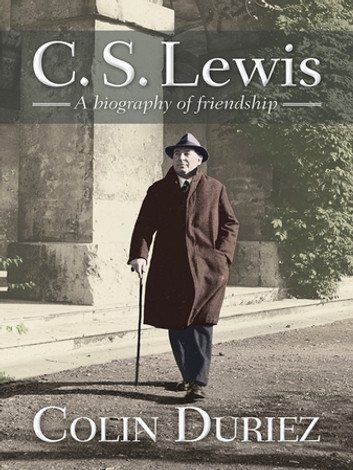
Description
C S Lewis Biography: A Life Shaped by Friendship
This C S Lewis biography offers a fresh perspective on the beloved author. Colin Duriez explores Lewis’s life through his most important relationships. Moreover, the book reveals how friendships transformed his faith and work. Therefore, readers discover a more intimate portrait of this literary giant.
Understanding the C S Lewis Biography Through Relationships
Traditional biographies focus on achievements and chronology. However, Duriez takes a different approach in this work. He examines how Lewis’s companions influenced his spiritual journey. Furthermore, these friendships shaped his most famous writings. Consequently, we see Lewis as a man defined by connection.
The author draws on previously unpublished material throughout. Additionally, he provides fresh insights into well-known relationships. This C S Lewis biography breaks new ground in Lewis scholarship. Meanwhile, it remains accessible to general readers.
Arthur Greeves: The Lifelong Confidant
Arthur Greeves met Lewis during childhood in Belfast. Their friendship lasted over forty years. Moreover, their correspondence reveals Lewis’s innermost thoughts. Greeves shared Lewis’s love of mythology and literature. Therefore, he became an essential sounding board.
The two friends exchanged hundreds of letters. These letters document Lewis’s intellectual development. Furthermore, they show his gradual movement toward Christianity. Greeves remained a constant presence through every life stage. Additionally, he offered unwavering support during difficult times.
Duriez uncovers unpublished letters between the two men. These reveal intimate details about Lewis’s doubts and struggles. Consequently, readers gain unprecedented access to his private world. The friendship with Greeves anchored Lewis throughout his life.
J.R.R. Tolkien: The Catalyst for Conversion
Tolkien’s friendship with Lewis proved transformative. The two met at Oxford in 1926. However, their relationship deepened over subsequent years. Tolkien played a crucial role in Lewis’s conversion. Moreover, he helped Lewis understand Christian mythology.
Their famous conversation in 1931 changed everything. Tolkien explained how Christ fulfilled ancient myths. Furthermore, he showed how Christianity satisfied Lewis’s imaginative longings. This discussion occurred during a late-night walk. Therefore, it became a pivotal moment in Lewis’s spiritual journey.
The two writers formed the core of the Inklings. They met regularly to share their work. Additionally, they provided mutual encouragement and criticism. Tolkien’s Lord of the Rings benefited from Lewis’s feedback. Meanwhile, Lewis’s Narnia books reflected Tolkien’s influence.
The Inklings: A C S Lewis Biography of Creative Fellowship
The Inklings represented more than a literary club. These friends gathered to read manuscripts aloud. Moreover, they engaged in spirited intellectual debate. The group met at Oxford pubs and Lewis’s rooms. Consequently, they created a unique creative community.
Key Members of the Inklings
The group included several notable figures:
- J.R.R. Tolkien – Author and philologist
- Owen Barfield – Philosopher and writer
- Charles Williams – Novelist and poet
- Hugo Dyson – Literary scholar
- Warren Lewis – C.S. Lewis’s brother and historian
Each member contributed distinct perspectives. Furthermore, their discussions ranged across multiple disciplines. Therefore, the Inklings fostered extraordinary intellectual growth.
Owen Barfield: The Philosophical Sparring Partner
Barfield challenged Lewis’s thinking throughout their friendship. The two engaged in what they called “The Great War.” This intellectual battle lasted for years. Moreover, it sharpened both men’s philosophical positions. Barfield pushed Lewis toward deeper understanding.
Their debates covered imagination, reason, and truth. Furthermore, Barfield introduced Lewis to anthroposophy. However, Lewis ultimately rejected this spiritual philosophy. Nevertheless, the exchange enriched his thinking. Additionally, it prepared him for his later apologetic work.
Duriez explores previously unpublished correspondence between them. These letters reveal the intensity of their debates. Consequently, readers understand how friendship can sharpen intellect. Barfield remained Lewis’s friend for over forty years.
Charles Williams and the C S Lewis Biography of Spiritual Depth
Charles Williams entered Lewis’s life in the 1930s. His mystical novels fascinated Lewis immediately. Moreover, Williams possessed an unusual spiritual intensity. Therefore, he deepened Lewis’s understanding of Christian experience. The two developed profound mutual admiration.
Williams joined the Inklings during World War II. He had evacuated from London to Oxford. Furthermore, his presence energized the group’s discussions. Lewis found Williams’s theological insights invaluable. Additionally, Williams’s death in 1945 devastated him.
The friendship influenced Lewis’s fiction significantly. His Space Trilogy reflects Williams’s mystical themes. Moreover, his understanding of spiritual warfare deepened. Consequently, works like The Screwtape Letters gained complexity. Williams showed Lewis new dimensions of faith.
How Friendships Shaped Lewis’s Christian Apologetics
Lewis’s conversion didn’t happen in isolation. His friends guided him toward faith. Moreover, they helped him articulate Christian truth. Therefore, his apologetic works reflect collaborative thinking. The Inklings provided a testing ground for ideas.
Mere Christianity emerged from BBC radio talks. However, the concepts developed through years of discussion. Furthermore, Lewis refined his arguments with friends’ feedback. Tolkien and others challenged weak reasoning. Additionally, they encouraged clear, accessible language.
His apologetic style emphasized reason and imagination together. This approach reflected Barfield’s and Tolkien’s influence. Moreover, it made Christianity intellectually respectable. Consequently, Lewis reached millions of skeptical readers. His friends made this achievement possible.
The Role of Friendship in Lewis’s Fiction
Lewis’s fictional worlds emerged from shared creativity. The Inklings heard early drafts of his stories. Moreover, they offered honest criticism and encouragement. Therefore, his fiction improved through collaborative refinement. Friendship fueled his imaginative output.
The Chronicles of Narnia reflect multiple influences. Tolkien’s mythology inspired Lewis’s world-building. Furthermore, Williams’s spiritual themes appear throughout. The books also show Greeves’s influence. Additionally, they embody ideas debated with Barfield.
His science fiction trilogy similarly benefited from friends. The Inklings discussed each installment as Lewis wrote. Moreover, they challenged his theological and philosophical assumptions. Consequently, the books gained depth and coherence. Friendship made Lewis a better writer.
Unpublished Material: New Insights into the C S Lewis Biography
Duriez’s research uncovered significant new material. He discovered previously unknown letters and documents. Moreover, he interviewed people who knew Lewis personally. Therefore, this biography offers fresh revelations. Readers encounter Lewis in new ways.
The unpublished correspondence reveals private struggles. Lewis discussed doubts he never aired publicly. Furthermore, he shared creative frustrations with trusted friends. These documents humanize the famous author. Additionally, they show his vulnerability and growth.
Duriez also found new information about Lewis’s relationships. Some friendships were more complex than previously known. Moreover, certain influences were stronger than scholars realized. Consequently, this biography revises our understanding. It presents a more complete picture.
The Grief of Losing Friends
Lewis experienced profound losses throughout his life. His mother died when he was young. Moreover, he lost several close friends prematurely. Therefore, grief became a recurring theme. His friendships made these losses more painful.
Charles Williams’s sudden death shocked Lewis deeply. He had relied on Williams’s spiritual insight. Furthermore, the loss occurred just after the war. Lewis struggled to process this grief. Additionally, it affected his writing for years.
Later, Joy Davidman’s death devastated him completely. Though she was his wife, she was also his friend. Moreover, their intellectual partnership was extraordinary. His book A Grief Observed documents this pain. Consequently, readers see how friendship and love intertwined.
Women in Lewis’s Life and Work
While male friendships dominated Lewis’s life, women mattered too. His relationship with Mrs. Moore remained controversial. Moreover, Joy Davidman became his greatest companion. Therefore, any complete biography must address these relationships. Duriez explores them with sensitivity.
Joy challenged Lewis intellectually like few others. She was a brilliant writer and thinker. Furthermore, she shared his Christian faith deeply. Their friendship evolved into romantic love. Additionally, their marriage enriched his final years.
Dorothy L. Sayers also influenced Lewis significantly. Though they never met frequently, they corresponded. Moreover, they shared apologetic goals and methods. Her detective fiction impressed him greatly. Consequently, she earned his deep respect.
Legacy: How Friendship Defined Lewis’s Impact
Lewis’s enduring influence stems partly from his friendships. The Inklings created a literary legacy together. Moreover, their mutual support produced extraordinary works. Therefore, friendship itself became part of Lewis’s message. He demonstrated its transformative power.
His books continue reaching new generations. Furthermore, they reflect the collaborative spirit he cherished. Readers sense the warmth of genuine fellowship. Additionally, they recognize the importance of intellectual community. Lewis’s life teaches the value of friendship.
This biography shows how relationships shape us profoundly. Moreover, it reveals friendship as essential to creativity. Therefore, Duriez’s work offers timeless lessons. We all need companions who challenge and support us. Consequently, Lewis’s example remains powerfully relevant.
Conclusion: A Biography Reimagined
Colin Duriez’s approach revolutionizes Lewis biography. He places friendship at the center of understanding. Moreover, he uses unpublished material to deepen insights. Therefore, readers discover a more complete Lewis. This book is essential for any serious student.
The friendships explored here shaped everything Lewis became. Without Tolkien, he might never have converted. Furthermore, without the Inklings, his fiction would differ dramatically. Barfield sharpened his mind while Williams deepened his spirit. Additionally, Greeves provided lifelong emotional support.
This work demonstrates that no one achieves greatness alone. We all need friends who inspire and challenge us. Moreover, we need communities that nurture our gifts. Lewis found such friendship and flourished. Consequently, his life offers a model for us all.
Duriez has given us an invaluable resource. His research uncovers new dimensions of Lewis’s character. Furthermore, his focus on relationships feels refreshingly human. Therefore, this biography will remain definitive for years. It shows us the real C.S. Lewis at last.





Reviews
There are no reviews yet.