

Description
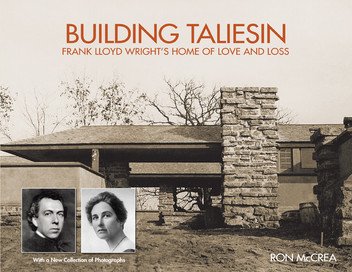
Building Taliesin: Frank Lloyd Wright’s Home of Love and Loss – A Story of Passion, Tragedy, and Architectural Genius
Building Taliesin stands as one of the most compelling accounts of Frank Lloyd Wright’s tumultuous personal life. Ron McCrea’s meticulously researched book explores the architect’s scandalous love affair and devastating loss. Moreover, it reveals how Wright transformed heartbreak into architectural brilliance. This gripping narrative covers the years 1910 to 1914, a period that forever changed Wright’s life.
A Forbidden Love That Shocked America
Frank Lloyd Wright was already a celebrated architect when he met Mamah Borthwick Cheney. She was an intellectual, a feminist, and a married woman. Nevertheless, their connection proved irresistible. Both abandoned their spouses and children to pursue their passionate relationship. Consequently, the scandal rocked early 20th-century American society.
Mamah was not merely Wright’s lover. She was also his intellectual equal and collaborator. Furthermore, she translated Swedish feminist Ellen Key’s works into English. Their relationship challenged conventional morality and social expectations. Therefore, they faced intense public criticism and ostracism.
Building Taliesin: Wright’s Vision Takes Shape
To escape judgment, Frank Lloyd Wright began constructing a private retreat in Spring Green, Wisconsin. He named it Taliesin, after a Welsh poet. The estate would become his sanctuary and masterpiece. Additionally, it embodied his revolutionary architectural philosophy of organic design.
Wright designed Taliesin to blend seamlessly with the surrounding landscape. The home featured:
- Low-pitched roofs that echoed the rolling hills
- Local limestone walls that connected to the earth
- Horizontal lines that emphasized harmony with nature
- Open floor plans that created flowing interior spaces
- Large windows that brought the outdoors inside
McCrea’s book provides extraordinary construction details through rare photographs. These images, taken by Wright’s associates, document the building process. Thus, readers witness Taliesin’s transformation from concept to reality.
The Architectural Philosophy Behind the Estate
Building Taliesin represented more than just a home for Wright and Mamah. It symbolized Wright’s belief in architecture as living art. He rejected the ornate Victorian styles of his era. Instead, he championed simplicity, natural materials, and environmental integration.
The estate sprawled across the hillside in three distinct sections. First came the residential quarters where Wright and Mamah lived. Then followed the studio where Wright created his designs. Finally, farm buildings completed the complex. Each structure maintained visual and functional harmony with the others.
Wright personally supervised every construction detail. He selected each stone and timber with meticulous care. Moreover, he insisted on traditional craftsmanship techniques. This hands-on approach ensured Taliesin reflected his exact vision.
Love and Intellectual Partnership at Taliesin
Mamah Borthwick brought intellectual depth to their relationship at Taliesin. She continued her translation work and feminist advocacy. Meanwhile, Wright pursued his architectural innovations. Together, they created a haven for progressive thinking and artistic expression.
Their life at Taliesin defied societal conventions. They hosted gatherings of artists and intellectuals. Furthermore, they lived openly as unmarried partners. This bold stance attracted both admirers and critics. However, they remained committed to their unconventional lifestyle.
The couple found peace in their Wisconsin retreat. Mamah’s children from her previous marriage visited during summers. Consequently, Taliesin became a family home despite the scandal. Wright and Mamah believed they had finally found lasting happiness.
The Tragedy That Shattered Everything
On August 15, 1914, unimaginable horror struck Taliesin. Julian Carlton, a servant Wright had recently hired, committed a brutal massacre. He murdered seven people with an axe during lunch. Among the victims were Mamah Borthwick and her two children.
Carlton also killed four of Wright’s employees and draftsmen. After the murders, he set fire to the residential wing. The blaze consumed much of Wright’s beloved home. Then Carlton attempted suicide by drinking acid but survived initially.
Frank Lloyd Wright was in Chicago on business that fateful day. He received a telegram about the tragedy and rushed home. What he found devastated him completely. His lover, her children, and his masterpiece lay in ruins.
Wright’s Descent Into Grief and Despair
The loss nearly destroyed Frank Lloyd Wright emotionally and professionally. He had lost the woman he loved deeply. Additionally, he had lost the children he had grown to cherish. His architectural sanctuary now represented only pain and death.
McCrea’s book sensitively explores Wright’s profound grief during this period. The architect struggled to find meaning after such catastrophic loss. Nevertheless, he eventually channeled his anguish into creative energy. This transformation would define his resilience and character.
Wright faced another challenge beyond his personal grief. The public, which had condemned his affair, now scrutinized his tragedy. Some viewed the murders as divine punishment for his sins. Therefore, Wright endured judgment even in his darkest hour.
Rebuilding Taliesin: An Act of Defiance and Love
Despite overwhelming grief, Frank Lloyd Wright made a remarkable decision. He would rebuild Taliesin on the same site. This choice demonstrated his extraordinary resilience and determination. Moreover, it honored Mamah’s memory and their shared dreams.
The reconstruction began almost immediately after the tragedy. Wright poured his grief into the rebuilding process. He expanded and improved upon the original design. Consequently, Taliesin II emerged more beautiful than its predecessor.
This act of rebuilding became Wright’s way of processing loss. He refused to let tragedy define his life’s work. Instead, he transformed devastation into renewed creative purpose. Thus, Taliesin became a testament to human resilience.
McCrea’s Unique Approach and Rare Documentation
Ron McCrea brings exceptional research to Building Taliesin. He utilizes rare photographs taken by Wright’s associates during construction. These images provide unprecedented visual documentation of the estate’s development. Furthermore, they offer intimate glimpses into Wright and Mamah’s daily life.
The book also draws from:
- Personal letters between Wright and Mamah
- Contemporary newspaper accounts of the scandal
- Architectural drawings and blueprints
- Eyewitness testimonies from the 1914 tragedy
- Wright’s own writings about Taliesin
McCrea’s narrative style balances architectural detail with human drama. He explains Wright’s design innovations in accessible language. Simultaneously, he captures the emotional intensity of the story. Therefore, the book appeals to both architecture enthusiasts and general readers.
The Scandal’s Impact on American Society
The Wright-Borthwick affair challenged early 20th-century American values profoundly. Their decision to abandon their families sparked national debate. Newspapers covered the scandal extensively and sensationally. Consequently, Wright’s professional reputation suffered significant damage.
Mamah faced particularly harsh criticism as a woman. Society expected women to sacrifice personal happiness for family duty. Her choice to leave her children seemed especially unforgivable. Nevertheless, she remained committed to her feminist principles and personal freedom.
The tragedy intensified public fascination with the story. Some viewed the murders as moral retribution for their sins. Others recognized the senseless violence for what it was. However, the scandal continued to haunt Wright’s legacy for decades.
Architectural Innovation Born from Personal Crisis
Frank Lloyd Wright created some of his most important work after the tragedy. His grief transformed into creative innovation and architectural breakthroughs. Taliesin became the foundation for his Prairie School philosophy. Moreover, it influenced his later masterpieces like Fallingwater.
The estate demonstrated Wright’s organic architectural principles perfectly. Buildings should grow naturally from their sites, he believed. They should use local materials and respect environmental context. Furthermore, they should serve human needs while celebrating natural beauty.
Wright’s horizontal design elements at Taliesin became his signature style. Low roofs, extended eaves, and flowing spaces defined his aesthetic. These features appeared in countless subsequent projects. Thus, Building Taliesin influenced American residential architecture profoundly.
Mamah Borthwick: More Than Wright’s Mistress
McCrea’s book rescues Mamah Borthwick from historical obscurity and mischaracterization. She was not merely Wright’s scandalous lover. Instead, she was an accomplished intellectual and pioneering feminist. Her translation work introduced important progressive ideas to American audiences.
Mamah studied at the University of Michigan, unusual for women then. She spoke multiple languages fluently and read widely. Furthermore, she engaged deeply with contemporary social and political movements. Her relationship with Wright was a partnership of equals.
Her feminist beliefs drove her controversial life choices. She rejected the notion that women existed solely for family. Instead, she claimed the right to personal fulfillment and intellectual growth. Consequently, she paid the ultimate price for her convictions.
The Murderer Julian Carlton’s Mysterious Motives
Julian Carlton’s reasons for the massacre remain partially mysterious even today. He was a Barbadian immigrant who had worked for Wright briefly. Some accounts suggest he felt disrespected by the household staff. However, his exact motivations died with him.
Carlton survived his suicide attempt initially but refused to eat. He died in jail seven weeks after the murders. He never fully explained his actions to authorities. Therefore, the tragedy retains an element of inexplicable horror.
McCrea examines various theories about Carlton’s motives carefully. Racial tensions may have played a role in his treatment. Additionally, mental illness could have contributed to his violence. Nevertheless, no explanation can justify the senseless brutality he inflicted.
Taliesin’s Legacy in American Architecture
Taliesin became more than Frank Lloyd Wright’s home after the tragedy. It evolved into his studio, school, and architectural laboratory. Wright trained apprentices there for decades through his Taliesin Fellowship. Consequently, the estate influenced generations of American architects.
The property expanded significantly over Wright’s lifetime. He added Taliesin III after a 1925 fire destroyed much of Taliesin II. Each iteration refined and improved his original vision. Today, Taliesin stands as a National Historic Landmark.
Visitors can tour the estate and experience Wright’s genius firsthand. The buildings still demonstrate his revolutionary design principles beautifully. Moreover, they tell the story of love, loss, and artistic triumph. Thus, Taliesin remains a living monument to Wright’s resilience.
Why This Book Matters Today
Building Taliesin offers crucial insights into Frank Lloyd Wright’s character and creativity. McCrea reveals how personal tragedy shaped artistic innovation. He also explores themes of love, scandal, and societal judgment. Furthermore, he examines how resilience can transform devastating loss.
The book challenges readers to reconsider Wright’s legacy beyond his architecture. His personal life was messy, scandalous, and deeply human. Nevertheless, he created enduring beauty from profound suffering. This complexity makes his story compelling and relevant today.
Contemporary readers will recognize familiar themes in Wright’s story. Society still judges unconventional relationships and life choices harshly. People still struggle to balance personal happiness with social expectations. Therefore, Wright and Mamah’s story resonates across the decades.
A Must-Read for Architecture and History Enthusiasts
Ron McCrea’s Building Taliesin succeeds on multiple levels simultaneously. It provides detailed architectural analysis for design professionals and students. It offers gripping human drama for general readers. Additionally, it presents meticulously researched history with rare visual documentation.
The book’s greatest strength lies in its balanced perspective. McCrea neither condemns nor glorifies Wright’s choices. Instead, he presents the facts and allows readers to judge. This approach respects both the complexity of history and reader intelligence.
Whether you love architecture, history, or compelling human stories, this book delivers. It illuminates a crucial period in American cultural history. Moreover, it reveals how one man transformed personal devastation into lasting artistic achievement. Building Taliesin stands as essential reading for understanding Frank Lloyd Wright’s genius.




Reviews
There are no reviews yet.