

Description
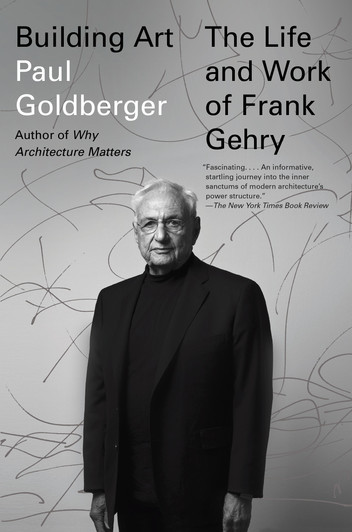
Building Art: The Life and Work of Frank Gehry – A Comprehensive Synopsis
Introduction: The Revolutionary Architect Who Changed Everything
Frank Gehry stands as one of the most influential architects of our time. Paul Goldberger’s “Building Art” chronicles his extraordinary journey and revolutionary designs, and explores how Gehry transformed modern architecture forever. The biography reveals the personal struggles behind his iconic buildings, linking his life to his designs.
Gehry’s sculptural buildings challenge traditional architectural conventions, blurring the line between art and functional design. His structures have become landmarks in cities worldwide, highlighting the importance of understanding Gehry to grasp contemporary architecture itself.
This book offers unprecedented access to Gehry’s creative process and thinking. Goldberger spent years interviewing and observing the legendary architect, offering readers intimate insights into his artistic vision and the triumphs and setbacks of his career.
Frank Gehry: From Humble Beginnings to Architectural Icon
Frank Gehry was born Frank Owen Goldberg in Toronto in 1929. When his family moved to Los Angeles during his teenage years, financial struggles continued to mark his early life. These challenges shaped his unconventional approach to design and materials.
Gehry studied architecture at the University of Southern California and later attended the Harvard Graduate School of Design. Despite this, he initially struggled to find his unique voice, with his early work following conventional styles and trends.
He changed his surname from Goldberg to Gehry in 1954. Moreover, he initially worked for several established architectural firms. However, he felt constrained by traditional design approaches. Therefore, he eventually started his own practice in 1962.
His breakthrough came later in his career than most architects. Furthermore, he spent decades experimenting with unconventional materials and forms. Additionally, he faced criticism from figures in the architectural establishment. Yet he persisted in developing his distinctive sculptural style.
Gehry’s Revolutionary Architectural Philosophy and Style
Gehry believes architecture should be expressive and emotionally powerful. His buildings reject the rigid geometry of modernist design. Instead, they embrace organic curves and unexpected angles. Consequently, his structures appear to move and flow dynamically.
He pioneered the use of unconventional materials in architecture, such as chain-link fencing and corrugated metal. These humble elements challenged notions of architectural prestige and, as a result, his work democratized what architecture could be.
Gehry’s design process begins with hand-drawn sketches and physical models. However, he later adopted advanced computer modeling technology. This combination allows him to realize forms that are impossibly complex. Moreover, it enables contractors to actually build his visionary designs.
His philosophy emphasizes the relationship between buildings and their surroundings. He considers how structures interact with light and shadow, and how people experience spaces emotionally, ultimately creating memorable and transformative experiences through his buildings.
Iconic Buildings That Define Gehry’s Legacy
Gehry’s most famous work is the Guggenheim Museum in Bilbao, Spain. This 1997 masterpiece features flowing titanium curves that shimmer beautifully. It revitalized an entire city’s economy and cultural identity. The “Bilbao Effect” describes how architecture can transform urban areas.
His other major works demonstrate remarkable range and innovation:
- Walt Disney Concert Hall (Los Angeles): A stunning stainless steel structure with exceptional acoustics
- Dancing House (Prague): A playful building that appears to dance along the riverfront
- Fondation Louis Vuitton (Paris): A glass sailboat-like structure in a historic park
- MIT Stata Center (Cambridge): A complex of angular buildings fostering academic collaboration
- Gehry Residence (Santa Monica): His own home, featuring chain-link and plywood additions
Each building showcases Gehry’s ability to create unique architectural experiences and demonstrates his mastery of different materials and contexts. His portfolio proves both his versatility and creative genius.
The Guggenheim Bilbao particularly changed how cities view architecture’s potential. It proved that bold design could drive economic development, leading cities worldwide to begin commissioning signature buildings from star architects.
Impact on Modern Architecture and Design
Frank Gehry fundamentally changed what people expect from buildings today. His work inspired countless architects to embrace more expressive designs and proved that architecture could be sculptural and artistic, expanding the field’s boundaries.
He popularized the concept of buildings as urban landmarks, and his work demonstrated architecture’s ability to create cultural destinations. As a result, cities recognized that distinctive buildings could enhance their global profile, and architectural tourism became a significant economic force.
Gehry’s use of computer-aided design revolutionized architectural practice. However, he never abandoned hand sketching and physical model-making. This combination of traditional and digital methods became the industry standard. Moreover, it enabled architects to realize increasingly complex designs.
His influence extends beyond architecture into popular culture, with his buildings appearing in countless films and photographs. These works have become symbols of innovation and creative thinking, and Gehry’s impact reaches far beyond the architectural profession.
Personal Journey: Struggles and Triumphs
Goldberger’s biography reveals Gehry’s personal struggles and insecurities throughout his career. Despite his success, Gehry often doubted his abilities and vision, facing harsh criticism from architectural traditionalists early on. Nevertheless, he persevered through these challenging periods with determination.
His relationships with clients sometimes proved difficult and contentious. Additionally, his unconventional designs often significantly exceeded initial budgets. Nevertheless, he maintained his artistic integrity throughout these conflicts. Therefore, his buildings represent an uncompromising creative vision.
Gehry’s Jewish heritage and immigrant background significantly influenced his perspective. Furthermore, his outsider status made him question established architectural conventions. Additionally, it gave him freedom to experiment without traditional constraints. Consequently, his unique background became a creative advantage.
His marriage and family life provided stability during turbulent times. Moreover, his wife, Berta, consistently supported his artistic ambitions. However, balancing work and personal life remained challenging throughout his career. Therefore, his success required sacrifices from his entire family.
Conclusion: A Lasting Legacy in Architecture
Frank Gehry transformed architecture from a technical profession into an art form. His buildings continue to inspire wonder and debate worldwide, demonstrating that functional structures can also be emotionally powerful and ensuring his legacy extends far beyond individual buildings.
Paul Goldberger’s “Building Art” captures Gehry’s remarkable journey with equal parts comprehensiveness and intimacy. Additionally, it provides context for understanding his revolutionary contributions. Furthermore, it reveals the human story behind the iconic structures. Consequently, readers appreciate both the artist and his art.
Gehry’s influence on contemporary architecture remains profound and enduring. His willingness to take risks inspired generations of architects, proving that architecture can change cities and lives, and ensuring Frank Gehry’s legacy will continue to shape our built environment for decades to come.




Reviews
There are no reviews yet.