

Description
Marie Hull Artist: Bright Fields – A Comprehensive Exploration of Mississippi’s Master Painter
Introduction: Discovering a Southern Art Legend
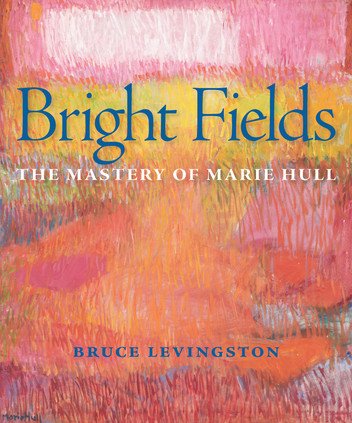
“Bright Fields: The Mastery of Marie Hull” celebrates the extraordinary legacy of Marie Hull. This comprehensive book explores her remarkable life and artistic achievements. Published by the University Press of Mississippi, it offers intimate insights. Moreover, it showcases over two hundred stunning reproductions of her work.
Marie Hull, an artist (1890-1980), transformed Mississippi’s cultural landscape forever. She created luminous paintings that authentically captured Southern beauty. Additionally, her work influenced generations of artists throughout the region. This book finally gives her the recognition she deserves.
The volume features contributions from distinguished scholars and curators. Bruce Levingston, an acclaimed concert pianist, curated this project. Furthermore, Jon Levingston, Philip Jackson, and Mary Garrard contributed expertise. Together, they created an essential art historical resource.
The Visionary Behind the Book
Bruce Levingston brings a unique perspective to this artistic exploration. As a world-class concert pianist, he understands creative mastery. Moreover, he’s a lifelong admirer and collector of Hull’s work. His Mississippi roots connect him deeply to her legacy.
Levingston’s passion for Hull’s art shines throughout every page. He spent years researching and gathering her finest pieces. Additionally, he worked tirelessly to locate previously unseen artworks. His dedication resulted in this magnificent, comprehensive volume.
The curator’s musical background informs his appreciation of visual art. He recognizes the rhythm and harmony in Hull’s compositions. Furthermore, he understands the discipline required for artistic excellence. This perspective significantly enriches the book’s narrative and analysis.
Marie Hull: A Mississippi Artistic Pioneer
Marie Hull, an artist, was born in Summit, Mississippi, in 1890. She demonstrated exceptional artistic talent from an early age. Moreover, she pursued formal training at prestigious art institutions. Her education shaped her distinctive style and technical mastery.
Hull initially studied at the Pennsylvania Academy of Fine Arts. She also trained at the Art Students League in New York. Additionally, she traveled to Europe to study classical techniques. These experiences broadened her artistic vision and technical skills.
She returned to Mississippi with sophisticated training and fresh perspectives. Hull dedicated herself to capturing the South’s unique beauty. Furthermore, she became a beloved teacher and mentor to aspiring artists. Her influence extended far beyond her own creative output.
The Artist’s Distinctive Style and Vision
Marie Hull’s paintings radiate with luminous color and light. She mastered the interplay between shadow and brilliant illumination. Moreover, her compositions balance traditional techniques with modern sensibilities. This combination created timeless works of enduring beauty.
Her subject matter focused primarily on Southern landscapes and scenes. She lovingly painted Mississippi’s fields, gardens, and natural environments. Additionally, she captured the region’s distinctive architectural and cultural elements. Each painting reflects a deep connection to her homeland.
Hull’s technique consistently demonstrated remarkable skill and artistic confidence. She employed bold brushstrokes alongside delicate, refined details simultaneously. Furthermore, her color palette evolved over the course of her long career. Early works differ from her later, more experimental pieces.
Inside the Book: Content and Structure
“Bright Fields” contains over two hundred carefully reproduced photographs. These high-quality images comprehensively showcase Hull’s finest artistic achievements. Moreover, many artworks appear in publication for the first time. This makes the book an invaluable resource for researchers.
The book’s elegant design complements Hull’s artistic vision beautifully. Each reproduction receives meticulous attention to color accuracy and detail. Additionally, the layout allows readers to fully appreciate compositional elements. The physical book itself becomes an art object.
Scholarly essays provide context for Hull’s life and artistic development. Contributors thoroughly analyze her techniques, influences, and cultural significance. Furthermore, they explore her role in Southern art history. These essays deepen understanding and appreciation of her work.
Key Themes Explored in Bright Fields
The book examines several important themes throughout its comprehensive pages:
- Artistic Development: Hull’s evolution from student to master painter
- Southern Identity: How regional culture influenced her artistic vision
- Light and Color: Her masterful use of luminosity and palette
- Teaching Legacy: Her impact on generations of Mississippi artists
- Gender and Art: Navigating the art world as a woman
- Preservation: Efforts to maintain and celebrate her artistic contributions
These themes seamlessly interconnect throughout the narrative structure. Moreover, they provide a framework for fully understanding Hull’s significance. Each theme receives thoughtful, detailed examination and scholarly analysis.
The Exhibition Connection
This book accompanied a major exhibition at the Mississippi Museum of Art. The exhibition brought Hull’s work to new audiences enthusiastically. Moreover, it sparked renewed interest in her artistic contributions. The show received critical acclaim and strong public attendance.
Bruce Levingston curated both the exhibition and this companion volume. His vision unified the physical display and printed documentation. Additionally, generous sponsors supported this important cultural project. BancorpSouth and Visit Mississippi provided crucial funding support.
The exhibition allowed viewers to experience Hull’s work firsthand, powerfully. Seeing original paintings revealed textures and details that photographs cannot capture. Furthermore, the museum context elevated her status in art history. This recognition was long overdue for the talented artist.
Scholarly Contributions and Analysis
Mary Garrard brings a feminist art history perspective to the project. Her scholarship examines Hull’s position as a female artist. Moreover, she analyzes how gender affected Hull’s career trajectory. This perspective adds a crucial dimension to understanding her legacy.
Philip Jackson contributes expertise on Southern art history and culture. He effectively contextualizes Hull within broader regional artistic movements. Additionally, he explores her relationships with contemporary artists and institutions. His research illuminates her professional networks and influences.
Jon Levingston provides additional research and curatorial insights throughout. His contributions enhance the book’s depth and scholarly rigor. Furthermore, his work helps connect Hull to contemporary audiences. Together, these scholars create a comprehensive portrait of the artist.
Artistic Techniques and Innovations
Hull mastered traditional oil painting techniques with exceptional skill. She understood color theory and applied it consistently and brilliantly. Moreover, she experimented with composition and perspective throughout her career. Her technical foundation enabled creative freedom and artistic expression.
She often painted en plein air to capture natural light. This practice gave her work immediacy and atmospheric authenticity. Additionally, she worked quickly to preserve fleeting lighting conditions. Her brushwork reflects this spontaneous, responsive approach to painting.
Hull also created works in her studio from sketches. These paintings allowed for more deliberate composition and refinement. Furthermore, she explored different subjects and techniques in controlled environments. Both approaches contributed to her diverse artistic output.
The Significance of the “Bright Fields” Title
The title “Bright Fields” perfectly captures Hull’s artistic essence. Her paintings often featured radiant sun-drenched landscapes and gardens. Moreover, the phrase evokes the luminosity characteristic of her work. It suggests both literal subject matter and metaphorical brilliance.
Fields represent Mississippi’s agricultural landscape and natural beauty fundamentally. Hull painted these scenes with deep affection and understanding. Additionally, “bright” references her masterful handling of light effects. The title encapsulates her artistic vision in two words.
The phrase also symbolically suggests openness, possibility, and creative freedom. Hull’s career represented these qualities throughout her long life. Furthermore, it hints at the optimistic spirit pervading her work. The title invites readers into her luminous artistic world.
Who Should Read This Book
Art historians will find “Bright Fields” an essential scholarly resource. The book provides a comprehensive documentation of Hull’s oeuvre. Moreover, it offers new research and critical perspectives on her work. It fills a significant gap in Southern art scholarship.
Artists and art students can learn from Hull’s technical mastery. The reproductions reveal her methods and compositional approaches. Additionally, her career offers inspiration for pursuing artistic excellence. Her dedication and discipline provide a model for aspiring creators.
General readers interested in Southern culture will appreciate this book. Hull’s work authentically and lovingly captures Mississippi’s beauty and character. Furthermore, her story reflects broader themes of regional identity. The accessible writing welcomes readers without specialized art knowledge.
The Book’s Production Quality
University Press of Mississippi produced this volume with exceptional care. The printing quality ensures accurate color reproduction throughout all pages. Moreover, the binding and paper stock reflect the book’s importance. Physical production matches the content’s scholarly and artistic significance.
Each artwork reproduction received careful professional photography and color correction. The images capture subtle tonal variations and textural details faithfully. Additionally, the reproductions appear at generous sizes for proper appreciation. Readers can closely study compositional elements and brushwork techniques.
The book’s design effectively balances visual impact with scholarly substance. Layout choices enhance rather than distract from the artwork. Furthermore, typography and spacing create pleasant, readable pages throughout. Every design element serves the content and the reader experience.
Hull’s Teaching Legacy
Marie Hull taught art for many years in Mississippi communities. She influenced countless students who went on to become artists and teachers themselves. Moreover, her pedagogical approach emphasized technical skill and creative expression. She believed art education enriched lives beyond professional careers.
Her teaching extended beyond formal classroom settings into community engagement. She organized exhibitions and promoted arts appreciation throughout the region. Additionally, she mentored young artists informally through her generous spirit. Her impact on Mississippi’s cultural life was immeasurable and lasting.
Many of Hull’s students achieved recognition in their own right. They carried forward her commitment to excellence and artistic integrity. Furthermore, they spread her influence throughout the South and beyond. Her teaching legacy multiplied her artistic impact exponentially over decades.
Rediscovering Hidden Masterpieces
One of the book’s most exciting aspects is the inclusion of previously unseen works. Many Hull paintings remained in private collections for decades, unknown to the public. Moreover, some pieces had never been publicly exhibited or reproduced. Levingston’s research uncovered these hidden treasures for wider appreciation.
These rediscovered works reveal new dimensions of Hull’s artistic range. Some pieces show experimental techniques not evident in familiar works. Additionally, they fill gaps in understanding her artistic development chronologically. Each discovery enriches the complete picture of her career.
The book’s publication makes these artworks accessible to scholars and enthusiasts. High-quality reproductions preserve them for future study and enjoyment. Furthermore, documentation ensures these works won’t disappear into obscurity again. This preservation function makes the book culturally invaluable beyond scholarship.
Hull’s Place in American Art History
Marie Hull, the artist, deserves recognition alongside other American regional painters. Her technical skill and artistic vision equal those of her more famous contemporaries. Moreover, her sustained productivity over six decades demonstrates remarkable dedication. She created a substantial body of significant artistic work.
Southern art history often receives less attention than other regions. This oversight has unfairly obscured the work of many talented artists like Hull. Additionally, female artists faced particular challenges gaining historical recognition. “Bright Fields” helps correct these historical imbalances and oversights.
Hull’s work documents a specific time and place with authenticity. Her paintings preserve Mississippi’s landscape and culture during transformative decades. Furthermore, they demonstrate how regional identity can inspire universal beauty. Her art transcends geographical boundaries while remaining distinctly Southern.
The Book as Cultural Preservation
“Bright Fields” serves crucial cultural preservation functions for Mississippi heritage. It documents an important artist’s life and contributions comprehensively forever. Moreover, it ensures future generations can access and appreciate her work. Cultural memory requires such careful documentation and scholarly attention.
The book also preserves knowledge about Hull’s techniques and materials. Understanding her methods helps conservators properly maintain existing works. Additionally, it provides context for authenticating and evaluating her paintings. This technical information has practical value beyond aesthetic appreciation.
By making Hull’s work widely accessible, the book inspires continued interest. New audiences regularly discover her art through these beautiful reproductions. Furthermore, increased awareness may lead to additional research and discoveries. The book catalyzes ongoing engagement with her artistic legacy.
Critical Reception and Impact
“Bright Fields” received enthusiastic praise from critics and scholars alike. Reviewers highlighted the book’s comprehensive scope and beautiful production quality. Moreover, they appreciated the fresh scholarly perspectives on Hull’s work. The book established new standards for regional artist monographs.
The publication sparked renewed interest in actively collecting Hull’s artwork. Prices for her paintings increased as awareness grew significantly. Additionally, museums began seeking her work for their permanent collections. The book’s impact extended beyond scholarship into the art market.
Educational institutions widely incorporated the book into art history curricula. Students now regularly study Hull alongside other important American painters. Furthermore, the book inspired similar projects documenting other overlooked artists. Its influence extends beyond Hull into broader art-historical practices.
Comparing Hull to Contemporary Artists
Hull worked during the same era as American Impressionists and Regionalists. Her style shares qualities with both movements while remaining distinctive. Moreover, she developed her voice independently of major art centers. This independence gave her work an authentic regional character and perspective.
Like the Impressionists, Hull masterfully emphasized light and atmospheric effects. She captured fleeting moments and seasonal changes with sensitivity. Additionally, she employed loose brushwork and vibrant color palettes effectively. However, her subject matter remained firmly rooted in Southern experience.
Regional artists like Thomas Hart Benton celebrated American landscapes and culture. Hull shared this commitment to depicting her homeland authentically. Furthermore, she rejected European academic conventions in favor of more personal expression. Yet her work maintained technical sophistication and artistic refinement throughout.
The Role of Landscape in Hull’s Work
Landscape painting dominated Hull’s artistic output throughout her long career. She found endless inspiration in Mississippi’s natural beauty and variety. Moreover, she painted the same locations repeatedly under different conditions. This practice allowed deep exploration of light and seasonal changes.
Her landscapes convey an emotional connection beyond mere topographical documentation. She imbued scenes with mood, atmosphere, and personal feeling. Additionally, her compositions guide viewers’ eyes through carefully structured spaces. Technical skill serves expressive purposes in her best landscape works.
Hull’s landscapes also document environmental and cultural changes over time. Her paintings preserve views that no longer exist in reality. Furthermore, they record agricultural practices and rural life from earlier eras. These works have historical value beyond their aesthetic achievements.
Gardens and Floral Subjects
Hull painted gardens and flowers with particular affection and skill. These subjects allowed exploration of color relationships and compositional patterns. Moreover, garden scenes combined landscape and still life elements creatively. She found infinite variety within this focused subject matter.
Her floral paintings demonstrate her precise understanding of botanical forms. She captured the structure and character of different plant species. Additionally, she arranged flowers into compositions that balanced naturalism and design. These works showcase her versatility and observational skills thoroughly.
Gardens symbolically represented cultivated nature and human interaction with the landscape. Hull appreciated how gardens reflected their creators’ personalities and tastes. Furthermore, she understood gardens as living artworks, constantly changing and evolving. This perspective added conceptual depth to her garden paintings.
Why This Book Matters Today
“Bright Fields” addresses ongoing conversations about art-historical canons. It demonstrates how many talented artists remain underrecognized and understudied. Moreover, it shows the value of regional art histories and perspectives. The book challenges narrow definitions of artistic significance and importance.
The publication model offers a template for documenting other overlooked artists. Combining scholarly research with beautiful reproductions creates accessible, valuable resources. Additionally, connecting books to exhibitions maximizes public engagement and impact. This approach benefits artists, scholars, and general audiences simultaneously.
Hull’s story inspires contemporary artists working outside major art centers. She proved that artistic excellence doesn’t require geographical proximity to galleries. Furthermore, her dedication to place demonstrates how regional identity enriches art. Her example remains relevant for today’s diverse artistic landscape.
Conclusion: A Lasting Tribute
“Bright Fields: The Mastery of Marie Hull” stands as a definitive tribute. This elegant volume comprehensively celebrates the exceptional artistic career of Marie Hull. Moreover, it ensures her legacy endures permanently for future generations. The book represents years of dedicated research and passionate advocacy.
Bruce Levingston and his collaborators created an invaluable cultural resource. Their work preserves and promotes the contributions of an important American artist. Additionally, they’ve inspired renewed appreciation for Southern art history broadly. This book will remain the essential reference on Hull for the foreseeable future.
Readers discover a remarkable artist whose work deserves wider recognition. Hull’s luminous paintings capture beauty, place, and artistic mastery timelessly. Furthermore, her story exemplifies dedication, talent, and the power of creative vision. “Bright Fields” invites everyone to experience her extraordinary artistic legacy.
Whether you’re an art historian, practicing artist, or curious reader. Whether you love Southern culture, landscape painting, or inspiring biographies. This book offers something valuable and enriching for every reader. Marie Hull’s bright fields await your discovery and appreciation today.





Reviews
There are no reviews yet.