

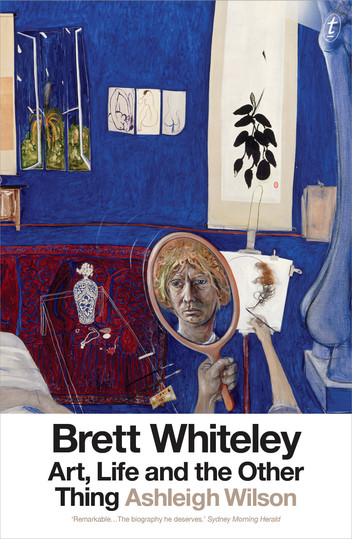
Description
Brett Whiteley Biography: A Deep Dive into Australia’s Most Iconic Artist
Ashleigh Wilson’s “Brett Whiteley: Art, Life and the Other Thing” stands as the definitive Brett Whiteley biography. Moreover, this authorized account explores one of Australia’s most celebrated and controversial artists. Published by Text Publishing, the book reveals both artistic brilliance and personal turmoil. Furthermore, it examines the complex relationship between creativity and self-destruction.
The First Comprehensive Brett Whiteley Biography
This groundbreaking work represents the first authorized Brett Whiteley biography ever published. Wilson spent years researching Whiteley’s extraordinary life and career. Additionally, she gained unprecedented access to family archives and personal documents. The result is a meticulously detailed portrait of artistic genius.
Brett Whiteley emerged as a prodigy in the Australian art scene. Born with exceptional talent, he quickly outgrew his homeland’s boundaries. Therefore, in 1960, he made a bold decision to move to Europe. This move would transform his career and establish his international reputation.
Early Success and International Recognition
Whiteley’s European adventure began with remarkable achievements. He became the youngest artist to have work acquired by the prestigious Tate Gallery. Consequently, this recognition catapulted him into the international art world. His bold, expressive style captured attention across continents.
The young artist’s work displayed extraordinary range and innovation. He experimented with various techniques and subjects throughout his career. Furthermore, his paintings combined technical mastery with emotional intensity. Critics and collectors alike recognized his unique vision.
Life at the Chelsea Hotel: The New York Years
After conquering Europe, Whiteley set his sights on America. He moved to New York City with his wife Wendy and daughter Arkie. Moreover, they immersed themselves in the vibrant bohemian culture of the era. The family took up residence at the legendary Chelsea Hotel.
The Chelsea Hotel became their creative sanctuary and social hub. There, they befriended iconic figures like Janis Joplin and Bob Dylan. Additionally, this environment fueled Whiteley’s artistic experimentation and growth. The New York experience profoundly influenced his subsequent work.
The Woman Behind the Artist: Wendy Whiteley’s Role
Wilson’s biography gives equal weight to Wendy Whiteley’s crucial role. She wasn’t merely the artist’s wife but his muse and anchor. Furthermore, Wendy made Brett’s art life possible through her unwavering support. Their relationship formed the foundation of his creative output.
Wendy Julius first captivated Brett when they were young. He was, as Wilson writes, “knocked silly” by her beauty. Subsequently, their partnership became central to his artistic journey. However, the relationship also weathered tremendous storms and challenges.
The couple’s bond endured despite Brett’s struggles with addiction. Wendy remained committed even as his demons threatened everything. Therefore, understanding their relationship is essential to understanding Brett’s art. Wilson explores this dynamic with sensitivity and depth.
The 1978 Archibald Prize Triumph
Whiteley achieved one of his greatest public successes in 1978. He won the prestigious Archibald Prize with a confessional self-portrait. Moreover, the painting was titled “Art, Life and the Other Thing.” This work announced his addiction struggles to the world.
The painting represented both triumph and vulnerability. It showcased his technical brilliance while revealing personal darkness. Furthermore, the title became synonymous with Whiteley’s complex existence. Wilson chose this same title for her comprehensive biography.
Key Themes Explored in the Biography
Wilson’s book examines several interconnected themes throughout Whiteley’s life:
- The relationship between artistic genius and personal destruction
- The role of love and partnership in creative success
- The impact of addiction on art and relationships
- The tension between commercial success and artistic integrity
- The price of fame in the Australian cultural landscape
These themes weave throughout the narrative with compelling clarity. Wilson presents them without judgment but with unflinching honesty. Additionally, she contextualizes Whiteley’s struggles within broader artistic traditions.
Artistic Philosophy and Creative Process
Whiteley believed that making art equaled the alchemist’s intention. He stated: “Alchemy is the business of seeing what doesn’t exist.” Therefore, his paintings became his philosopher’s stone, transmuted through time and experience. This philosophy drove his relentless creative experimentation.
His work emerged from base matter transformed by imagination. He created entirely new visions through his unique artistic lens. Furthermore, his paintings captured both beauty and darkness with equal intensity. The creative process consumed him completely.
The “Other Thing”: Addiction and Struggle
The biography doesn’t shy away from Whiteley’s darker struggles. “The other thing” in the title refers to his heroin addiction. Moreover, this addiction shadowed his entire adult life and career. Wilson explores how it both fueled and destroyed his creativity.
Addiction complicated every aspect of Whiteley’s existence. It strained his marriage, endangered his health, and threatened his work. However, it also became inseparable from his artistic identity. The relationship between drugs and creativity remains complex and troubling.
Wilson approaches this subject with journalistic rigor and compassion. She neither romanticizes nor condemns Whiteley’s choices. Instead, she presents the full reality of addiction’s impact. This balanced approach strengthens the biography’s credibility and emotional power.
Research and Methodology
Wilson’s research sets new standards in Australian art biography. She corrected many earlier factual errors about Whiteley’s life. Furthermore, she conducted extensive interviews with family, friends, and colleagues. The result is an authoritative and definitive account.
The book spans 432 pages of meticulously documented narrative. Wilson combines journalistic precision with engaging storytelling throughout. Additionally, she weaves together personal anecdotes and critical art analysis. This approach makes the biography both scholarly and accessible.
Critical Reception and Impact
Critics have praised Wilson’s biography as a benchmark publication. It represents the most comprehensive study of Whiteley ever undertaken. Moreover, reviewers highlighted its combination of rigor and readability. The book has become essential reading for Australian art enthusiasts.
One critic called it “the best biography” of the year. Others praised Wilson’s “peerless grasp” of Whiteley’s life and genius. Furthermore, the book provides context for understanding his enduring legacy. It has reshaped how we view this iconic artist.
Legacy and Continuing Influence
Brett Whiteley remains one of Australia’s most famous artists. His work continues to captivate audiences and command high prices. Additionally, his life story fascinates new generations of art lovers. Wilson’s biography ensures his legacy receives proper documentation and analysis.
The book explores how Whiteley’s work has aged over time. His paintings retain their power to move and provoke viewers. Therefore, understanding his life enriches appreciation of his artistic achievements. Wilson provides the tools for this deeper understanding.
Why This Biography Matters
“Brett Whiteley: Art, Life and the Other Thing” fills a crucial gap. It provides the authoritative account that Whiteley’s significance demands. Moreover, it honors both his artistic genius and human complexity. The biography refuses to simplify or sanitize its subject.
Wilson’s work will likely remain the definitive Whiteley biography for decades. She has created an essential resource for scholars and general readers alike. Furthermore, the book demonstrates how biography can illuminate artistic achievement. It shows the inseparable connection between life and art.
Conclusion: A Portrait of Genius and Humanity
Ashleigh Wilson has crafted a masterful portrait of Brett Whiteley. The biography captures his soaring artistic achievements and devastating personal struggles. Moreover, it reveals the woman who made his art life possible. Wendy Whiteley emerges as an equally compelling figure in this narrative.
The book succeeds because it embraces complexity rather than avoiding it. Whiteley was neither saint nor simple victim of his demons. Instead, he was a brilliant, flawed human being who created extraordinary art. Wilson presents this full picture with skill and compassion.
For anyone interested in Australian art, this biography is essential reading. It illuminates not just one artist but an entire cultural moment. Furthermore, it raises profound questions about creativity, addiction, and love. These themes resonate far beyond Whiteley’s specific story.
“Brett Whiteley: Art, Life and the Other Thing” stands as a triumph of biographical writing. Wilson has given us the book that Whiteley’s legacy deserves. Moreover, she has created a work that will inform and move readers for generations. This is biography at its finest and most illuminating.

Reviews
There are no reviews yet.