

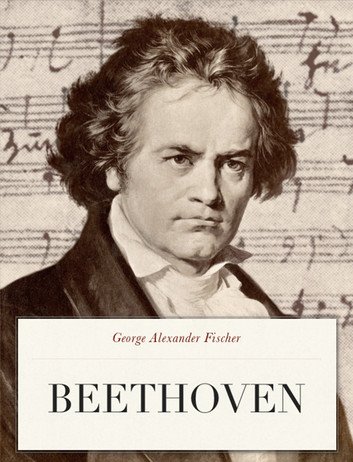
Description
Beethoven: A Timeless Musical Genius – Synopsis of George Alexander Fischer’s Biography
Ludwig van Beethoven stands as one of history’s greatest composers. This e-book by George Alexander Fischer explores the life and legacy of this remarkable artist. Moreover, it reveals the struggles and triumphs that shaped his extraordinary career. Beethoven’s story continues to inspire musicians and music lovers worldwide. Therefore, understanding his journey offers valuable insights into artistic perseverance and creative genius.
The Life and Times of a Musical Revolutionary
Fischer’s biography takes readers through Beethoven’s formative years in Bonn, Germany. The young composer showed exceptional talent from an early age. However, his childhood was marked by hardship and family difficulties. His father, a court musician, recognized his son’s abilities early on. Consequently, he pushed the boy to practice relentlessly, often harshly.
The book examines Beethoven’s move to Vienna, the musical capital of Europe. There, he studied with the legendary composer Joseph Haydn. Additionally, he began establishing himself as both performer and composer. Vienna became his home for the remainder of his life. Furthermore, it provided the perfect environment for his artistic development.
Overcoming Adversity and Creating Masterpieces
One of the most compelling aspects of this biography is its treatment of Beethoven’s deafness. The composer began losing his hearing in his late twenties. Nevertheless, he continued to create groundbreaking musical works. This period produced some of his most celebrated compositions. Indeed, his determination in the face of such adversity remains truly inspiring.
Fischer explores how Beethoven revolutionized classical music through innovation and emotional depth. His symphonies broke traditional boundaries and expanded orchestral possibilities. Moreover, his piano sonatas pushed the instrument to new expressive heights. The composer’s string quartets are considered among the finest ever written. Therefore, his influence on Western music cannot be overstated.
What Readers Will Discover
This comprehensive biography offers readers numerous insights into Beethoven’s world:
- Early musical training and the influence of his demanding father
- Relationships with patrons who supported his artistic independence
- The progression of his deafness and its impact on composition
- Major works including the nine symphonies and Missa Solemnis
- Personal struggles with relationships, health, and financial concerns
- Revolutionary compositional techniques that changed music forever
- His legacy and continuing influence on classical and popular music
- The Romantic era and Beethoven’s role in its development
The Man Behind the Music
Fischer doesn’t simply chronicle musical achievements in this work. Instead, he presents Beethoven as a complex, fully human figure. The composer struggled with romantic relationships throughout his life. Additionally, he battled depression and physical ailments beyond his hearing loss. His famous “Immortal Beloved” letter remains one of music history’s great mysteries.
The biography examines Beethoven’s difficult personality and frequent conflicts with others. He was known for his temper and uncompromising artistic standards. However, he also showed deep loyalty to friends and genuine concern for humanity. His music reflects this emotional complexity and philosophical depth. Therefore, understanding the man enhances appreciation of his compositions.
Musical Innovation and Lasting Impact
Beethoven bridged the Classical and Romantic periods in music history. His early works followed the traditions established by Mozart and Haydn. Nevertheless, his middle and late periods broke new ground dramatically. The Third Symphony, known as the “Eroica,” marked a turning point in orchestral music. Furthermore, the Ninth Symphony’s choral finale was unprecedented and revolutionary.
Fischer analyzes key compositions and their historical significance throughout the book. The “Moonlight Sonata” remains one of the most beloved piano pieces ever written. Similarly, “Für Elise” continues to captivate listeners with its simple beauty. The “Pathétique” and “Appassionata” sonatas showcase his dramatic emotional range. Moreover, his only opera, “Fidelio,” celebrates freedom and human dignity.
The Final Years and Enduring Legacy
The biography’s later chapters cover Beethoven’s final decade with sensitivity and detail. Despite complete deafness, he composed some of his most profound works. The late string quartets are considered the pinnacle of the form. Additionally, the Missa Solemnis represents one of music’s greatest spiritual achievements. His Ninth Symphony premiered just three years before his death in 1827.
Fischer describes the composer’s death and the massive public funeral that followed. Thousands of Viennese citizens attended to pay their respects. Subsequently, Beethoven’s influence only grew stronger over time. His music became central to the classical repertoire worldwide. Therefore, his legacy extends far beyond his own era.
Why This Biography Matters Today
George Alexander Fischer’s biography makes Beethoven accessible to modern readers. The writing style is clear, engaging, and free of excessive academic jargon. Moreover, it balances musical analysis with human interest effectively. Readers don’t need extensive musical knowledge to appreciate the narrative. However, musicians will find valuable insights into compositional techniques and historical context.
The book reminds us that great art often emerges from struggle and perseverance. Beethoven’s triumph over deafness demonstrates the power of human determination. Furthermore, his commitment to artistic integrity offers lessons for any creative field. His music continues to move audiences two centuries after his death. Therefore, his story remains relevant and inspiring today.
Conclusion: A Must-Read for Music Enthusiasts
Fischer’s biography of Beethoven provides a comprehensive, accessible introduction to the composer’s life and work. It successfully combines historical detail with engaging storytelling and musical analysis. Moreover, it presents the composer as both artistic genius and flawed human being. The book serves students, music lovers, and general readers equally well.
Understanding Beethoven’s journey enriches our appreciation of his magnificent musical legacy. His nine symphonies, thirty-two piano sonatas, and sixteen string quartets remain cornerstones of classical music. Additionally, his influence extends to film scores, popular music, and contemporary composition. This biography helps readers understand why his music continues to resonate so powerfully. Therefore, it’s an essential read for anyone interested in classical music, artistic achievement, or human perseverance.





Reviews
There are no reviews yet.