

Description
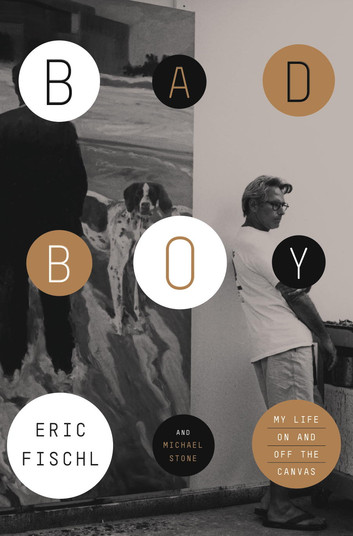
Artist Memoir: Bad Boy by Eric Fischl Chronicles Raw Truth of Contemporary Art World
Bad Boy: My Life On and Off the Canvas stands as a brutally honest artist memoir. Eric Fischl pulls back the curtain on his tumultuous life. Moreover, he reveals the inner workings of the contemporary art scene. This compelling narrative traces his journey from dysfunction to artistic triumph.
A Contemporary Artist’s Unflinching Family Portrait
Fischl’s artist memoir begins with painful honesty about his childhood. His mother’s alcoholism shaped his early years profoundly. Consequently, these experiences would fuel his controversial artistic vision. The dysfunction became raw material for his provocative paintings.
Furthermore, Fischl doesn’t romanticize his upbringing in any way. Instead, he examines how trauma transforms into creative expression. His candid approach sets this memoir apart from typical artist biographies. Indeed, readers witness how personal pain becomes powerful art.
Rising Through the 1970s-80s New York Art Scene
The 1970s New York art world was electric and transformative. Fischl arrived as a young contemporary artist with bold ideas. Meanwhile, the city’s creative energy was reaching unprecedented heights. He found himself at the epicenter of artistic revolution.
Additionally, this period marked significant shifts in American art. Fischl emerged alongside other groundbreaking figurative painters of his generation. His timing proved both challenging and opportune for his career. The art world memoir captures this pivotal cultural moment vividly.
Controversial Paintings That Shocked the Art World
Fischl’s figurative paintings sparked immediate controversy and intense debate. His work explored sexuality, suburban life, and American dysfunction unflinchingly. Therefore, critics and collectors responded with strong reactions to his canvases. Some praised his courage while others condemned his explicit imagery.
The Power of Provocative Imagery
His paintings challenged conventional boundaries in contemporary art consistently. Fischl depicted scenes that made viewers profoundly uncomfortable yet captivated. Moreover, he refused to soften his vision for commercial acceptance. This artistic integrity defines his entire career trajectory.
The contemporary artist pushed against prevailing minimalist and conceptual trends. His commitment to figurative painting seemed almost rebellious at the time. Nevertheless, Fischl persisted in developing his distinctive visual language. His persistence ultimately revolutionized how audiences viewed figurative art.
Inside the Transformation: Art World to Art Market
This art world memoir documents a fundamental shift in cultural economics. Fischl witnessed art’s transformation from passion to investment commodity. Consequently, the 1980s brought unprecedented commercialization to creative expression. Galleries became showrooms and artists became brands almost overnight.
Furthermore, Fischl offers sharp observations about this commercial evolution. He examines how money changed relationships between artists and collectors. The memoir explores both benefits and costs of art’s marketization. His perspective comes from someone who lived through this seismic change.
Key Insights from Fischl’s Art World Experience:
- The rise of celebrity culture within contemporary art circles
- How auction houses transformed artist reputations and market values
- The tension between artistic integrity and commercial success pressures
- Changes in collector motivations from passion to investment strategies
- The impact of globalization on New York’s art scene dominance
- How media attention shifted the nature of artistic careers
Candid Commentary on Contemporary Artists
Fischl doesn’t shy away from discussing his famous contemporaries openly. He offers frank assessments of artists like Jeff Koons specifically. Additionally, he shares thoughts on Damien Hirst’s market-driven approach. These observations provide insider perspective rarely found in published memoirs.
Moreover, his commentary reveals deeper questions about art’s purpose today. Fischl grapples with what constitutes meaningful artistic contribution versus spectacle. His reflections challenge readers to examine their own artistic values. Indeed, these passages spark important conversations about contemporary creativity.
The Collaborative Process with Michael Stone
Co-author Michael Stone helped shape Fischl’s memories into compelling narrative. Their collaboration ensured the artist memoir maintained authentic voice throughout. Therefore, readers experience Fischl’s perspective without literary artifice obscuring it. The partnership balanced raw honesty with readable storytelling effectively.
Furthermore, Stone’s contribution allowed deeper exploration of complex themes. The writing flows naturally while maintaining intellectual substance and emotional depth. This collaborative approach serves the material exceptionally well overall. The result feels both intimate and professionally crafted simultaneously.
Why This Artist Memoir Matters Today
Bad Boy offers essential reading for understanding contemporary American art. Fischl’s journey illuminates broader cultural shifts over four decades. Moreover, his honesty about personal struggles resonates beyond art world boundaries. The memoir speaks to anyone navigating creative ambition and personal demons.
Additionally, this book provides historical documentation of a transformative era. Future generations will reference Fischl’s account when studying this period. His insider perspective captures nuances that external observers inevitably miss. The contemporary artist delivers testimony that enriches our cultural record.
Lessons Beyond the Canvas
The memoir transcends typical artist biography limitations through universal themes. Fischl explores family dysfunction’s lasting impact on adult creativity. Furthermore, he examines how childhood trauma can fuel artistic vision. These psychological insights apply far beyond the art world specifically.
Meanwhile, his reflections on integrity versus commercial pressure resonate widely. Anyone pursuing creative work faces similar tensions and difficult choices. Consequently, readers from various fields find applicable wisdom in his experiences. The book becomes a meditation on authenticity in modern life.
The Art World Memoir as Cultural Document
This art world memoir captures a specific moment in American culture. The 1970s-80s New York scene represented unprecedented creative and commercial energy. Fischl documents this era with a participant’s authority and reflective distance. His account balances nostalgia with critical examination of that period.
Moreover, he chronicles how art became increasingly intertwined with wealth. The transformation from bohemian subculture to luxury commodity accelerated dramatically. Therefore, understanding this shift helps explain today’s contemporary art landscape. Fischl lived through changes that now define the entire industry.
Conclusion: A Contemporary Artist’s Essential Testament
Bad Boy: My Life On and Off the Canvas stands as essential reading. This artist memoir combines personal revelation with cultural commentary masterfully. Fischl’s unflinching honesty about family, art, and ambition creates powerful narrative. Moreover, his insider perspective illuminates the contemporary art world’s evolution comprehensively.
The book succeeds on multiple levels for diverse reader interests. Art enthusiasts gain valuable insights into creative process and industry dynamics. Meanwhile, memoir readers discover a compelling story of overcoming dysfunction. Furthermore, anyone interested in American culture finds rich historical documentation here.
Fischl’s collaboration with Michael Stone produced a remarkably readable account. The prose balances accessibility with intellectual substance throughout its pages. Consequently, the book appeals to both casual readers and serious scholars. This achievement makes the memoir particularly valuable in crowded biography marketplace.

Reviews
There are no reviews yet.