

Description
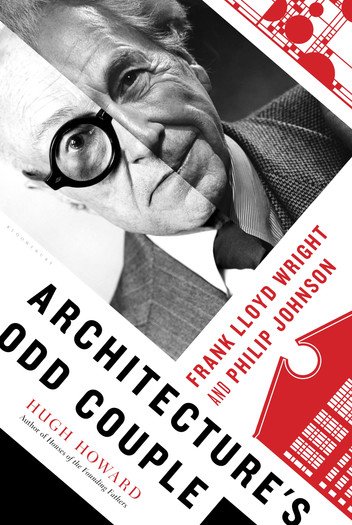
Architecture’s Odd Couple: Frank Lloyd Wright and Philip Johnson by Hugh Howard
“Architecture’s Odd Couple: Frank Lloyd Wright and Philip Johnson” by Hugh Howard explores two titans of American architecture. These legendary figures shaped the twentieth-century built environment. Moreover, their contrasting personalities and philosophies created a fascinating dynamic throughout their careers. Howard’s book reveals how these architectural giants influenced each other despite their differences.
The term “odd couple” perfectly captures the unlikely relationship between these two men. Wright embodied organic architecture rooted in American soil and natural forms. Meanwhile, Johnson championed European modernism and constantly evolved his aesthetic preferences. Furthermore, their personal styles differed as dramatically as their architectural visions did. This compelling narrative examines how opposition can drive innovation and excellence.
About Author Hugh Howard
Hugh Howard is an acclaimed architectural historian and prolific author. He has written more than twenty books exploring American architecture and history, bringing scholarly rigor with accessible storytelling. His expertise makes complex architectural concepts understandable for general readers.
Howard’s previous works include biographies of Thomas Jefferson and examinations of historic houses. He possesses deep knowledge of architectural movements and the personalities behind them. Consequently, he’s uniquely qualified to explore the Wright-Johnson relationship with nuance. His writing balances academic research with an engaging narrative, keeping readers invested.
Frank Lloyd Wright: The Organic Visionary
Frank Lloyd Wright stands as America’s most famous architect and design innovator. He created over 1,000 structures during his seventy-year career spanning multiple generations. Moreover, Wright pioneered organic architecture, harmonizing buildings with their natural surroundings. His philosophy emphasized unity between human habitation and the natural world.
Wright’s iconic works include Fallingwater, the Guggenheim Museum, and Prairie-style homes. He believed architecture should grow from its site and context and championed an American architecture independent from European influences. His strong personality and confidence made him controversial yet respected.
Born in 1867, Wright witnessed and shaped the evolution of American architecture into modernity. He apprenticed with Louis Sullivan before establishing his own revolutionary practice. Additionally, Wright’s personal life was as dramatic as his professional achievements. His ego and artistic vision drove him to create masterpieces that endure.
Philip Johnson: The Modernist Chameleon
Philip Johnson brought European modernism to America as curator, critic, and architect. He co-authored “The International Style” in 1932, introducing Americans to modern architecture. Moreover, Johnson’s career spanned eight decades and multiple stylistic transformations. He remained relevant by constantly reinventing his architectural approach and aesthetic.
Johnson’s signature works include the Glass House and AT&T Building. He studied at Harvard under Walter Gropius, and his social connections allowed him to take creative risks.
Born in 1906, Johnson represented a younger generation that enthusiastically embraced international modernism. He initially championed Mies van der Rohe and other European masters. Additionally, Johnson later embraced postmodernism, proving his adaptability and openness to change. His influence extended beyond buildings to shaping architectural discourse and public taste.
Why They’re Architecture’s Odd Couple
The contrast between Wright and Johnson created a compelling architectural odd couple: Wright’s organic, American-rooted philosophy stood in stark opposition to Johnson’s embrace of European modernism and evolving styles. Their approaches, backgrounds, and personalities differed sharply, shaping their collaboration and rivalry.
Key differences included:
- Wright championed organic American architecture while Johnson promoted the European International Style.
- Wright was self-taught and working-class, while Johnson had an Ivy League education and wealth.
- Wright remained consistent in philosophy, while Johnson constantly changed his aesthetic approach.
- Wright built primarily residential works, while Johnson focused on corporate and institutional buildings.
- Wright was nearly forty years older, representing different generational perspectives.
- Wright valued independence, while Johnson thrived in social and professional networks.
Despite these differences, both men shaped American architecture profoundly and left lasting legacies. Their contrasting approaches enriched the architectural landscape rather than diminishing it. Moreover, their interactions reveal how creative tension can drive innovation forward. The odd couple dynamic made both architects sharper and more influential.
Their Complex Relationship
Wright and Johnson’s relationship evolved over decades from admiration, rivalry, and mutual respect. Johnson initially revered Wright as an American master and architectural genius. However, their philosophical differences created tension as Johnson promoted International Style modernism. Furthermore, Wright viewed Johnson’s European influences as foreign impositions on American architecture.
Despite disagreements, Johnson organized exhibitions featuring Wright’s work at major institutions. He recognized Wright’s genius even as he pursued his own architectural directions. Additionally, Wright grudgingly respected Johnson’s influence and cultural impact on American taste. Their relationship embodied professional rivalry mixed with genuine appreciation for each other’s talents.
The two architects represented opposing poles in twentieth-century American architectural discourse. Wright stood for individualism, organic design, and American exceptionalism in building. Meanwhile, Johnson advocated for international collaboration, technological innovation, and stylistic evolution. Consequently, their dialogue shaped how Americans understood and valued modern architecture.
Impact on American Architecture
“Architecture’s Odd Couple” demonstrates how Wright and Johnson transformed American building design. Wright established that American architecture could lead rather than follow European trends, influencing generations to seek harmony with nature. He proved individualism could inspire timeless masterpieces.
Johnson democratized modernism by making it accessible to corporate America and institutions. He successfully built bridges between the European avant-garde and American commercial interests. Furthermore, Johnson’s curatorial work educated the public about the possibilities of modern architecture. His advocacy helped modernism become the dominant style for mid-century buildings.
Together, these architects expanded the boundaries of what American architecture could achieve. Their contrasting visions provided options rather than a single prescribed aesthetic direction. Additionally, their rivalry encouraged both men to push harder and create better work. American architecture benefited from having both voices in the conversation at the same time.
Why Readers Should Explore This Story
Hugh Howard’s “Architecture’s Odd Couple” offers insights beyond architectural history alone. The book explores creativity, ego, influence, and how great minds challenge each other. Moreover, it reveals how opposition can be productive rather than merely destructive.
Readers gain an understanding of how cultural movements develop through dynamic tension. Architecture enthusiasts will discover the human stories behind iconic buildings. The book makes architectural philosophy accessible through personality and narrative instead of theory, showing how individual vision shapes the world we inhabit. Yes.
The story resonates beyond architecture to anyone interested in creative excellence and innovation. It shows how different approaches can coexist and strengthen their respective fields. Additionally, the book provides historical context for understanding twentieth-century American culture broadly. Architecture reflects society’s values, making this story relevant to a range of interests.
Conclusion: The Legacy of Architecture’s Odd Couple
“Architecture’s Odd Couple” by Hugh Howard illuminates two giants who shaped American architecture. Frank Lloyd Wright and Philip Johnson approached design from opposite directions, yet both succeeded. Moreover, their contrasting philosophies enriched architecture rather than canceling each other out. Howard’s book celebrates how creative tension drives innovation and excellence forward.
This compelling narrative reveals the human dimension behind iconic buildings and architectural movements. It demonstrates that greatness comes in different forms and through various paths. Furthermore, the book shows how rivalry and respect can coexist productively. Understanding these architects helps us appreciate the built environment surrounding us daily.
For anyone interested in architecture, creativity, or American cultural history, this book delivers. Hugh Howard has crafted an engaging story that educates and thoroughly entertains readers. The odd couple of Wright and Johnson continues influencing how we build and live.





Reviews
There are no reviews yet.