

Description
Architects of Little Rock: A Comprehensive Guide to Arkansas Capital’s Architectural Heritage
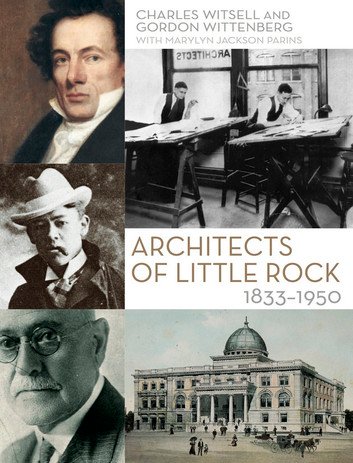
Architects of Little Rock documents the city’s rich architectural history in depth. This essential book by Gordon G. Wittenberg and Charles Witsell explores architectural development. Moreover, it covers the period from 1833 to 1950 in detail. The authors reveal how talented designers shaped Arkansas’s capital city.
Little Rock transformed from a frontier settlement into a thriving city. Furthermore, this transformation was guided by skilled architects. The book celebrates these creative professionals and their lasting contributions. Therefore, readers gain deep insight into the city’s architectural evolution.
The authors conducted extensive research to compile this definitive architectural history. They carefully examined historical records, building plans, and archival photographs. Additionally, they interviewed descendants of prominent architects when possible. Their thorough work preserves important knowledge for future generations.
The Early Years: Architects of Little Rock 1833-1860
Little Rock’s earliest buildings initially reflected simple frontier construction methods. Settlers built basic structures using locally available materials, such as wood. However, the city’s designation as the state capital changed everything dramatically. Moreover, this new status quickly attracted skilled builders and designers.
The first professional architects arrived during the 1830s and 1840s. They brought knowledge of classical architectural styles from the East. Furthermore, they introduced Greek Revival and Federal styles to Arkansas. These elegant designs significantly elevated Little Rock’s architectural standards.
Gideon Shryock designed the Old State House in 1833. This Greek Revival masterpiece became Little Rock’s most important early building. Moreover, it established high standards for future architectural projects. The structure still stands today as a beloved historic landmark.
Early architects faced numerous challenges in frontier Arkansas. Materials were scarce and had to be transported long distances. Additionally, skilled artisans were difficult to find and expensive to hire. Nevertheless, determined architects created impressive buildings despite these obstacles.
Antebellum Architecture and Growth
The 1850s brought increased prosperity to Little Rock and Arkansas. Cotton production generated wealth that funded ambitious building projects across the state. Furthermore, steamboat traffic on the Arkansas River significantly boosted commerce. Therefore, the city expanded rapidly during this prosperous decade.
Wealthy planters and merchants commissioned elegant homes during this period. These residences prominently showcased Greek Revival and Italianate architectural styles. Moreover, they featured fine details, such as ornate columns and brackets. Such homes clearly demonstrated the owners’ wealth and refined taste.
Commercial buildings also became more sophisticated and substantial during this era. Brick replaced wood as the preferred building material for downtown. Additionally, multi-story structures appeared along Main Street and nearby blocks. The city’s skyline began reflecting its growing economic importance.
The Civil War interrupted Little Rock’s architectural development abruptly in 1861. Construction projects halted as resources were diverted to the war effort. Furthermore, the city suffered damage during the Union occupation after 1863. However, Little Rock’s architectural heritage survived this turbulent period largely intact.
Post-War Recovery and Reconstruction Era Architecture
Little Rock rebuilt slowly after the Civil War ended in 1865. The economy struggled during Reconstruction, significantly limiting new construction projects. However, architects continued working on modest residential and commercial buildings. Moreover, they adapted their designs to reduce budgets and available materials.
The 1870s and 1880s saw a gradual economic recovery throughout Arkansas. Railroad expansion connected Little Rock to national markets more effectively; furthermore, new industries established operations in the growing capital city. Therefore, demand for architectural services increased steadily during these decades.
Victorian architectural styles dominated construction during the late nineteenth century. Architects designed elaborate homes featuring towers, porches, and decorative details. Additionally, they incorporated new technologies like indoor plumbing and gas lighting. These modern conveniences made Little Rock homes more comfortable and desirable.
Public buildings clearly reflected the city’s renewed confidence and ambition. A new federal courthouse and post office opened in 1881. Moreover, schools, churches, and government buildings received architectural attention and investment. The city’s built environment improved dramatically during this recovery period.
Prominent Architects of Little Rock in the Late 1800s
Several talented architects established successful practices in Little Rock during this era. They designed buildings that still define the city’s historic character today. Furthermore, their work consistently demonstrated professional skill and artistic vision. Architects of Little Rock profiles these important figures in detail.
Frank Gibb arrived in Little Rock during the 1870s and practiced successfully. He designed numerous commercial buildings and elegant residences throughout the city. Moreover, his work showed mastery of Victorian architectural styles and details. Gibb’s buildings contributed significantly to Little Rock’s overall architectural heritage.
Charles L. Thompson became one of the city’s most prolific architects. He designed the magnificent Pulaski County Courthouse, completed in 1889. Additionally, he created many fine homes for Little Rock’s elite families. His Romanesque Revival designs added grandeur to the city’s streetscapes.
Other notable architects included Max Mayer and George R. Mann. They brought diverse styles and approaches to Little Rock’s architectural scene. Furthermore, they trained younger architects who continued their professional legacy. These men established architecture as a respected profession in Arkansas.
Key Architectural Styles in Late 19th-Century Little Rock
The city’s buildings from this period displayed various popular styles:
- Greek Revival: Classical columns and symmetrical designs
- Italianate: Low-pitched roofs with decorative brackets and tall windows
- Second Empire: Mansard roofs and ornate dormer windows
- Queen Anne Victorian: Asymmetrical designs with towers and wraparound porches
- Romanesque Revival: Heavy stone construction with rounded arches
- Shingle Style: Wood shingle exteriors with flowing, informal plans
Each style reflected changing tastes and technological advances in construction. Moreover, architects adapted these national trends to Arkansas’s climate and materials. Therefore, Little Rock gradually developed a distinctive regional architectural character.
The Turn of the Century: 1890-1910
Little Rock entered the twentieth century with growing confidence and prosperity. The city’s population increased as people moved from rural areas. Furthermore, new businesses and industries created jobs and economic opportunities. Therefore, construction activity accelerated dramatically during this dynamic period.
Architects of Little Rock expanded their practices to meet increasing demand. They designed larger, more complex buildings than ever before. Moreover, they incorporated new materials, such as steel and reinforced concrete. These innovations allowed taller buildings and more ambitious architectural projects.
The Donaghey Building opened in 1910 as Little Rock’s first skyscraper. This ten-story structure transformed the city’s skyline and business district. Additionally, it demonstrated that Little Rock could compete with larger cities. The building symbolized the city’s modern aspirations and economic vitality.
Residential architecture also evolved significantly during this progressive era. Craftsman bungalows became popular alternatives to Victorian styles among middle-class families. Furthermore, these homes emphasized simplicity, natural materials, and functional design. They reflected changing American attitudes about domestic architecture and lifestyle.
Architects of Little Rock: The Progressive Era 1910-1920
The 1910s brought continued growth and architectural innovation to Little Rock. Progressive Era reforms influenced citywide building design and urban planning. Moreover, architects embraced new ideas about efficiency, sanitation, and public welfare. Therefore, buildings from this period often served social purposes beyond shelter.
George R. Mann designed the Little Rock Public Library in 1910. This Classical Revival building provided free access to books and knowledge. Furthermore, it demonstrated the architecture’s role in promoting education and civic improvement. The library became a beloved community institution for generations.
Commercial architecture became increasingly sophisticated and specialized during this decade. Banks, hotels, and office buildings required specific functional designs. Additionally, architects studied how to maximize rental income and operational efficiency. Their solutions effectively balanced aesthetic appeal with practical business requirements.
World War I significantly slowed construction activity after 1917. Materials and labor became scarce as resources were diverted to war production. However, architects continued planning projects for the anticipated post-war boom. Moreover, they studied new architectural trends emerging from Europe and elsewhere.
The Roaring Twenties: Prosperity and Art Deco
The 1920s brought unprecedented prosperity to Little Rock and America generally. Economic growth fueled ambitious construction projects throughout the capital city. Furthermore, new architectural styles reflected the era’s optimism and modernity. Therefore, the decade produced some of Little Rock’s most distinctive buildings.
Art Deco emerged as the defining architectural style of the 1920s. This modern aesthetic featured geometric patterns, stylized ornament, and vertical emphasis. Moreover, it symbolized progress, technology, and the machine age perfectly. Little Rock architects embraced Art Deco for commercial and institutional buildings.
The Tower Building opened in 1928 as Arkansas’s tallest structure at the time. This Art Deco skyscraper dominated Little Rock’s skyline for decades afterward. Additionally, its sleek design represented the city’s modern, forward-looking character. The building remains an iconic landmark in downtown Little Rock today.
Residential architecture also reflected the decade’s prosperity and changing tastes. Architects designed elegant homes in Revival styles, including Colonial and Tudor. Furthermore, they incorporated modern conveniences like central heating and electric appliances. These comfortable homes appealed to Little Rock’s growing professional and business classes.
The Great Depression’s Impact on Architecture
The 1929 stock market crash devastated Little Rock’s economy and construction industry. Building activity declined sharply as businesses and families lost wealth. Moreover, many architects struggled to find work during these difficult years. However, some government projects provided limited opportunities for architectural commissions.
New Deal programs funded important public works projects during the 1930s. The Works Progress Administration employed architects to design schools and parks. Furthermore, the Public Works Administration financed courthouses, post offices, and hospitals. These projects provided jobs while significantly improving Little Rock’s public infrastructure.
Art Deco evolved into Streamline Moderne during the Depression years. This simplified style emphasized horizontal lines and curved corners in distinct ways. Additionally, it used less expensive materials and ornaments than earlier designs. Streamline Moderne buildings conveyed modernity while respecting tight Depression-era budgets.
Architects of Little Rock adapted their practices to survive economic hardship. Some took government jobs or worked on small residential projects. Furthermore, they maintained their skills by teaching or writing about architecture. Their perseverance ensured that architectural expertise survived for better times ahead.
World War II and Wartime Construction
World War II transformed Little Rock into an important military center. The federal government established Camp Robinson and the Little Rock Air Base. Moreover, defense industries opened factories that employed thousands of workers. Therefore, the city experienced rapid growth despite wartime material shortages.
Military construction completely dominated architectural activity during the war years. Architects designed barracks, hospitals, and administrative buildings for military installations. Furthermore, they planned housing for defense workers and their families. These utilitarian structures prioritized function and speed over architectural distinction.
Civilian construction virtually ceased during the war except for essential projects. Materials such as steel and copper were used exclusively for military purposes. Additionally, skilled construction workers joined the armed forces or defense industries. Architects focused on war-related work or temporarily suspended their practices.
The war years taught architects valuable lessons about efficiency and prefabrication. They learned to design buildings that could be constructed quickly. Moreover, they extensively experimented with new materials and construction methods. These innovations would significantly influence post-war architectural practice across America.
Post-War Modernism: 1945-1950
Victory in 1945 unleashed pent-up demand for new construction nationwide. Veterans returned home seeking houses, jobs, and normal lives again. Furthermore, businesses expanded to meet consumer demand after years of rationing. Therefore, Little Rock experienced a building boom during the late 1940s.
Modern architecture emerged as the dominant style for this new era. Architects rejected historical ornament in favor of clean, functional designs. Moreover, they embraced new materials like glass curtain walls and aluminum. International Style modernism represented a complete break from traditional architectural approaches.
Residential architecture changed dramatically during the post-war years as well. Ranch houses with open floor plans became extremely popular nationwide. Additionally, architects designed homes specifically for automobile-owning suburban families. Little Rock’s residential neighborhoods expanded outward from the historic downtown core.
The period from 1945 to 1950 marked a transition point. Traditional architects trained in classical styles still practiced alongside younger modernists. Furthermore, clients sometimes requested historical styles despite modernism’s growing influence. This diversity created an interesting architectural landscape during these transitional years.
Architectural Styles and Influences in Little Rock
Little Rock’s buildings reflect diverse architectural influences over 117 years. The city’s location in the South significantly shaped design choices. Moreover, economic conditions determined what styles were affordable and practical. Therefore, Little Rock developed a unique architectural character over time.
Classical styles dominated early construction consistently through the nineteenth century. Greek Revival, Italianate, and Romanesque Revival buildings conveyed permanence and dignity. Furthermore, they connected Little Rock to broader American architectural traditions. These styles remained popular for public buildings well into the 1900s.
Victorian styles flourished in residential architecture during the late 1800s. Queen Anne, Second Empire, and Shingle Style homes lined fashionable streets. Additionally, these elaborate designs clearly demonstrated owners’ wealth and social status. Many fine Victorian homes survive in Little Rock’s historic neighborhoods today.
Twentieth-century styles reflected the progressive modernization and changing American values. Craftsman bungalows, Art Deco skyscrapers, and Streamline Moderne buildings appeared successively. Moreover, each style responded to contemporary needs and aesthetic preferences. The variety significantly enriches Little Rock’s architectural heritage and visual character.
Economic and Social Factors Shaping Development
Little Rock’s architectural development reflected broader economic and social changes. The cotton economy substantially funded antebellum construction and early growth. Furthermore, railroad expansion after the Civil War connected Little Rock to national markets. These economic factors determined when and what the city could build.
Social changes also influenced architectural trends and building types over time. The Progressive Era emphasized public health, education, and civic improvement. Therefore, architects designed libraries, schools, and parks serving these social goals. Buildings became tools for addressing social problems and improving community life.
Racial segregation profoundly affected Little Rock’s architectural landscape throughout this period. African American communities developed separate commercial districts and residential neighborhoods. Moreover, they built their own churches, schools, and businesses under Jim Crow. This painful history remains visible in the city’s built environment today.
Economic depressions in the 1890s and 1930s temporarily halted construction activity. However, these difficult periods also spurred architectural innovation and adaptation. Furthermore, government programs during the Depression created important public buildings. Economic cycles thus shaped both the quantity and character of construction.
The Role of Technology in Architectural Evolution
Technological advances transformed what architects could design and build over time. The introduction of steel framing enabled the construction of taller buildings than ever before. Moreover, elevators made upper floors accessible and desirable for occupants. These innovations revolutionized commercial architecture in Little Rock and across the country.
Mechanical systems also dramatically changed building design and occupant comfort. Central heating replaced individual fireplaces and stoves in homes and offices. Furthermore, electric lighting eliminated the need for natural light and gas fixtures. Air conditioning, introduced in the 1920s, eventually completely transformed Southern architecture.
New building materials expanded architects’ creative possibilities throughout this period. Reinforced concrete allowed longer spans and more flexible floor plans. Additionally, plate glass enabled larger windows and more natural light inside. Architects eagerly adopted these materials to create innovative, modern designs.
Construction methods also evolved from traditional craftsmanship toward industrial processes. Prefabrication and standardization reduced costs and construction time significantly over the decades. However, some architects worried that these efficiencies sacrificed quality and beauty. The tension between craft and industry influenced architectural practice throughout this era.
Preservation of Little Rock’s Architectural Heritage
Many historic buildings in Little Rock have been demolished. Economic pressures and changing tastes led to the destruction of important structures. Moreover, urban renewal projects in the mid-twentieth century demolished entire neighborhoods. These losses make surviving historic buildings even more precious.
Preservation efforts began gaining momentum during the 1960s and 1970s, fortunately. Organizations like the Quapaw Quarter Association worked to save historic homes. Furthermore, they educated the public about Little Rock’s architectural heritage and history. Their efforts rescued many buildings from demolition and encouraged sensitive restoration.
The National Register of Historic Places recognizes Little Rock’s significant buildings. Listing provides some protection and encourages preservation through tax incentives. Additionally, local historic districts regulate changes to contributing structures within boundaries. These tools help ensure that future generations can appreciate historic architecture.
Architects of Little Rock contribute to preservation by documenting the city’s heritage. The book identifies important buildings and the architects who designed them. Moreover, it explains the historical context that shaped architectural development over time. This knowledge helps people understand why preservation matters for community identity.
Legacy of Little Rock’s Architects
The architects profiled in this book left an enduring legacy throughout Arkansas. Their buildings continue serving the community more than a century later. Furthermore, they created a distinctive architectural character that defines Little Rock today. Their creative vision and professional skills deserve recognition and appreciation.
These architects established professional standards that influenced subsequent generations of designers. They demonstrated that good architecture requires both artistic vision and technical knowledge. Moreover, they showed how buildings can enhance community life and civic pride. Their example inspired younger architects to pursue excellence in their work.
Many buildings designed by these architects are designated landmarks today. They attract tourists and contribute to Little Rock’s cultural tourism economy. Additionally, they provide tangible connections to the city’s history and development. Historic architecture thus serves both educational and economic purposes for communities.
The book by Wittenberg and Witsell ensures these architects receive proper recognition. It rescues their names and accomplishments from obscurity and neglect. Furthermore, it provides a comprehensive reference for researchers, preservationists, and architecture enthusiasts. This scholarly work will remain valuable for understanding Little Rock’s architectural history.
Conclusion: Understanding Little Rock Through Its Architecture
Architecture vividly tells the story of Little Rock’s growth and transformation. Buildings reveal economic conditions, social values, and technological capabilities of their eras. Moreover, they demonstrate how people lived, worked, and gathered in community. Therefore, studying architecture provides unique insights into local history and culture.
Architects of Little Rock offers an essential guide to the city’s built heritage. Gordon G. Wittenberg and Charles Witsell compiled exhaustive research into one volume. Furthermore, they identified the talented designers who shaped Arkansas’s capital city. Their work preserves important knowledge that might otherwise be lost forever.
The period from 1833 to 1950 witnessed a remarkable architectural evolution in Little Rock. The city transformed from a frontier settlement to a modern Southern capital progressively. Moreover, each generation of architects contributed to this ongoing transformation creatively. Their collective work created the distinctive cityscape that residents and visitors enjoy.
This book encourages readers to look at Little Rock’s buildings with new appreciation. Every structure has a story about the people who designed it. Additionally, each building reflects the hopes and aspirations of its time. Understanding this architectural heritage enriches our connection to place and community identity.
Future generations will benefit from the preservation and documentation this book supports. Little Rock’s historic buildings connect us to the past while serving present needs. Moreover, they inspire contemporary architects to create buildings worthy of their predecessors. The architectural legacy continues evolving as Little Rock grows into the future.






Reviews
There are no reviews yet.