

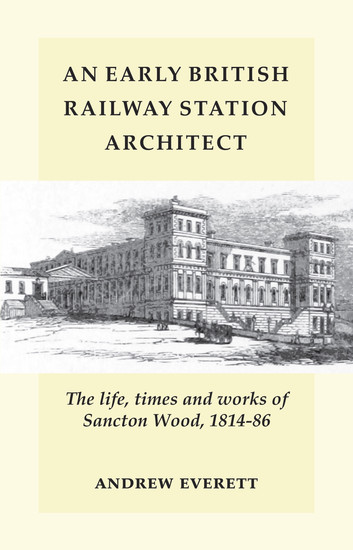
Description
An Early British Railway Station Architect: The Life, Times and Works of Sancton Wood, 1814-86
Introduction: A Pioneer of Victorian Railway Design
Sancton Wood railway station architect stands as one of Victorian Britain’s most influential yet overlooked designers. His work transformed railway stations from mere functional structures into architectural landmarks. Moreover, Wood’s innovative approach combined aesthetic beauty with practical railway needs during the 19th century’s transportation revolution.
Andrew Everett’s comprehensive e-book explores this remarkable architect’s life and legacy. The book reveals how Wood shaped Britain and Ireland’s railway landscape. Furthermore, it demonstrates his crucial role in establishing design standards for station architecture.
This biography fills a significant gap in architectural history. Because Wood’s contributions have been underappreciated, Everett’s research brings overdue recognition. Additionally, the book provides valuable insights into Victorian railway development and architectural practice.
Who Was Sancton Wood? Early Victorian Pioneer
Sancton Wood was born in 1814 during Britain’s industrial transformation. He entered architecture and surveying at a pivotal moment in history. The railway boom was just beginning to reshape the nation’s infrastructure and economy.
Wood quickly recognized the railway industry’s architectural potential. While others viewed stations as purely utilitarian, he saw opportunities for innovation. Therefore, he dedicated his career to elevating railway architecture to new heights.
His professional journey coincided with the Victorian era’s rapid expansion. Railways were spreading across Britain and Ireland at unprecedented speed. Consequently, demand for skilled station designers grew exponentially during this period.
The Railway Revolution and Architectural Opportunity
The 19th century witnessed dramatic changes in transportation infrastructure. Railways connected cities, towns, and villages like never before. However, early stations often lacked architectural distinction or thoughtful design.
Wood understood that stations served as gateways to communities. They represented progress, modernity, and civic pride for Victorian society. Moreover, these buildings needed to accommodate diverse functions while making strong visual statements.
This early British railway station architect approached each project with meticulous attention. He studied passenger flow, operational requirements, and local architectural traditions. Additionally, Wood considered how stations could enhance their surrounding urban environments.
His philosophy balanced practicality with aesthetic ambition. Because railways were transforming society, Wood believed their buildings deserved architectural excellence. Therefore, he worked tirelessly to prove that functionality and beauty could coexist.
Career Development and Professional Recognition
Wood established his reputation through competitive commissions and innovative designs. His work attracted attention from railway companies across Britain and Ireland. Furthermore, his ability to deliver quality within budget constraints earned industry respect.
The architect’s portfolio grew steadily throughout the 1840s and 1850s. He secured major projects that showcased his versatile design capabilities. Moreover, Wood demonstrated skill across various station sizes and architectural styles.
His professional network expanded as railways continued their rapid growth. Because Wood delivered consistently excellent results, railway companies sought his expertise repeatedly. Additionally, his reputation spread through word-of-mouth recommendations and published designs.
Notable Works by This Early British Railway Station Architect
Wood’s architectural legacy includes numerous significant railway stations across Britain and Ireland. His designs ranged from modest rural stops to grand urban terminals. However, several projects particularly demonstrate his innovative approach and lasting influence.
Kingsbridge Station: A Dublin Triumph
Kingsbridge Station in Dublin represents one of Wood’s most celebrated achievements. He won this prestigious commission through competitive selection in 1845. Moreover, the project established his reputation as a leading railway architect.
The station’s design showcased Wood’s ability to create monumental civic architecture. He incorporated classical elements while addressing practical railway operational needs. Furthermore, Kingsbridge became a landmark that defined Dublin’s western approach for generations.
Wood’s Dublin success demonstrated his capacity for large-scale projects. Because the commission was highly competitive, winning it validated his architectural vision. Additionally, the station’s enduring presence testifies to his design quality and structural integrity.
Stamford Railway Station: Tudor Elegance Meets Modern Function
Stamford Railway Station exemplifies Wood’s skill in adapting historical styles. He drew inspiration from Tudor manor houses for this distinctive design. However, he seamlessly integrated these traditional elements with modern railway requirements.
The station’s architectural character complemented Stamford’s historic townscape beautifully. Wood understood the importance of contextual design in established communities. Therefore, he created a building that felt both contemporary and respectful of local heritage.
This project highlighted the railway station architect’s versatility and sensitivity. Because each location presented unique challenges, Wood adapted his approach accordingly. Moreover, Stamford Station demonstrated that railway architecture could enhance rather than disrupt historic settings.
Major Projects and Commissions
Wood’s career encompassed diverse railway architectural projects throughout his professional life. His portfolio demonstrates remarkable range and consistent quality across different scales. Furthermore, these works collectively shaped Victorian railway architecture’s development and standards.
Key projects by Sancton Wood include:
- Kingsbridge Station, Dublin (1845) – Grand terminal showcasing classical design principles
- Stamford Railway Station – Tudor-inspired design harmonizing with historic townscape
- Multiple stations across England’s expanding railway network
- Rural station designs balancing economy with architectural distinction
- Urban terminals addressing complex operational and passenger flow requirements
- Competition-winning designs demonstrating his professional recognition
- Renovation and expansion projects for existing railway facilities
Each project reflected Wood’s commitment to architectural excellence. He refused to accept that railway buildings should be merely functional. Instead, this early British railway station architect elevated every commission through thoughtful design.
Design Philosophy and Architectural Approach
Wood’s methodology combined practical railway knowledge with architectural sophistication. He studied operational requirements before developing aesthetic solutions. Moreover, he believed that good design enhanced rather than hindered railway efficiency.
His stations featured clear circulation patterns for passengers and railway operations. Because Victorian stations served multiple functions, Wood created flexible spatial arrangements. Additionally, he incorporated natural lighting and ventilation to improve passenger comfort.
The architect paid careful attention to materials and construction techniques. He selected durable materials appropriate to each project’s budget and location. Furthermore, Wood ensured his designs could be maintained economically over time.
Architectural Style and Influences
Wood worked comfortably across various architectural styles and historical references. His designs drew from Gothic, Tudor, Classical, and Italianate traditions. However, he never simply copied historical precedents without adaptation.
The railway station architect understood that style should serve purpose. Because different locations had distinct characters, Wood tailored his approach accordingly. Therefore, his portfolio demonstrates stylistic variety while maintaining consistent quality standards.
His work reflected broader Victorian architectural trends and debates. The era valued historical references while embracing modern technology and materials. Moreover, Wood successfully navigated tensions between tradition and innovation throughout his career.
The Victorian Context: Railways Transform Britain
Understanding Wood’s achievements requires appreciating the Victorian railway revolution’s scope. Railways fundamentally transformed British society, economy, and landscape during his lifetime. Furthermore, this transformation created unprecedented architectural opportunities and challenges.
The railway network expanded from a few hundred miles to thousands. New stations appeared in cities, towns, and rural areas across Britain. Consequently, architects like Wood shaped how millions of people experienced modern transportation.
Railways represented progress, connectivity, and national pride for Victorians. Station buildings became symbols of community status and economic vitality. Therefore, architectural quality mattered beyond mere functional considerations.
Challenges Faced by Early Railway Architects
Wood and his contemporaries confronted unique architectural challenges. Railway buildings required accommodating new technologies and operational systems. Moreover, they needed to serve diverse users from different social classes simultaneously.
Budget constraints often limited architectural ambitions for railway projects. Because railway companies prioritized operational efficiency, architects had to justify design expenditures. However, Wood successfully demonstrated that good design enhanced rather than compromised functionality.
The rapid pace of railway expansion created additional pressures. Projects needed completion quickly to meet construction schedules and opening deadlines. Additionally, architects had to work with emerging building types without established precedents.
Lasting Impact on Railway Architecture
Sancton Wood railway station architect left an enduring legacy across Britain and Ireland. His buildings continue serving communities more than a century after construction. Moreover, many remain in active use, testifying to their functional and structural quality.
Wood helped establish design standards that influenced subsequent railway architecture. His work demonstrated that stations could be both beautiful and practical. Furthermore, he proved that architectural excellence was achievable across different budgets and scales.
The principles Wood championed remain relevant to contemporary transportation architecture. His emphasis on passenger experience, contextual sensitivity, and aesthetic quality endures. Therefore, modern architects can still learn from his Victorian-era innovations and approaches.
Andrew Everett’s Biographical Contribution
This e-book represents the first comprehensive study of Wood’s life and work. Everett’s research draws from archival sources, architectural drawings, and historical records. Moreover, the book situates Wood within broader Victorian architectural and railway history contexts.
The biography fills a significant gap in architectural scholarship. Because Wood’s contributions were previously underappreciated, Everett’s work provides overdue recognition. Additionally, the book offers valuable insights for architecture students, historians, and railway enthusiasts.
Everett examines Wood’s personal life alongside his professional achievements. The book explores how Wood navigated Victorian society and professional networks. Furthermore, it reveals the human story behind the architectural accomplishments.
Why This Book Matters Today
Understanding early railway architecture illuminates Victorian society’s values and priorities. Wood’s work reflects how Victorians balanced tradition with innovation and progress. Moreover, his stations demonstrate architecture’s power to shape public experience and community identity.
The book offers lessons for contemporary transportation infrastructure development. Because modern societies face similar challenges balancing functionality with design quality, Wood’s example remains instructive. Additionally, his contextual sensitivity provides models for heritage-conscious development.
Railway architecture continues evolving with new technologies and passenger expectations. However, fundamental principles that Wood championed remain constant and relevant. Therefore, studying his work enriches contemporary architectural practice and historical understanding.
Conclusion: Rediscovering a Victorian Master
Sancton Wood deserves recognition as a pioneering early British railway station architect. His innovative designs transformed utilitarian structures into architectural landmarks across Britain and Ireland. Moreover, Wood’s work established standards that influenced generations of subsequent railway architects.
Andrew Everett’s comprehensive biography finally gives Wood his deserved place in architectural history. The book reveals a talented architect who shaped Victorian Britain’s built environment. Furthermore, it demonstrates how individual creativity can elevate infrastructure to art.
This e-book is essential reading for anyone interested in Victorian architecture and railway history. Because Wood’s story has been overlooked for too long, Everett’s research provides valuable rediscovery. Additionally, the book offers inspiration for architects, historians, and anyone who appreciates thoughtful design.
Wood’s legacy endures in the stations that continue serving communities today. His buildings remind us that infrastructure can be both functional and beautiful. Therefore, this railway station architect’s life and works deserve celebration and continued study.





Reviews
There are no reviews yet.