

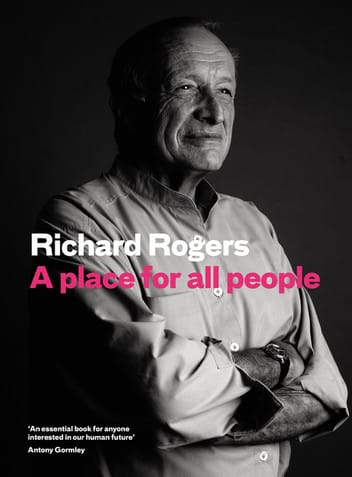
Description
A Place for All People: Richard Rogers’ Vision for Architecture and Social Justice
Introduction: Architecture That Serves Everyone
“A Place for All People” presents Richard Rogers’ remarkable life story and architectural philosophy. This autobiography explores how design can create a fair society. Rogers believed that architecture should serve everyone, not just the wealthy. Furthermore, he championed accessible design throughout his distinguished career. The book combines personal memoir with professional insights and social commentary.
Richard Rogers (1933-2021) was one of the world’s most celebrated architects. Moreover, he dedicated his life to creating inclusive urban spaces. His work transformed cities across the globe. Therefore, this book offers both inspiration and practical wisdom for readers.
The Life of Richard Rogers: From Childhood to Global Recognition
Rogers’ early years shaped his commitment to social responsibility in architecture. He grew up experiencing post-war Britain’s challenges and opportunities. Additionally, his dyslexia influenced how he approached creative problem-solving. These formative experiences taught him to think differently about design.
The book traces Rogers’ education and early career struggles. He studied at the Architectural Association in London. Later, he attended Yale University on a scholarship. Consequently, he developed relationships that would define his professional life.
Key Collaborations and Partnerships
Rogers never worked alone; collaboration was central to his practice. He partnered with Norman Foster, Su Rogers, and Renzo Piano. These partnerships produced groundbreaking buildings that challenged conventional thinking. Moreover, they demonstrated how teamwork elevates architectural innovation.
The book details several major collaborative projects:
- The Pompidou Centre in Paris (with Renzo Piano)
- Lloyd’s Building in London
- The Millennium Dome
- Terminal 4 at Madrid-Barajas Airport
- The European Court of Human Rights building
Each project reflected Rogers’ belief in transparent, accessible design. Furthermore, these buildings made architecture exciting and approachable for ordinary people.
A Place for All People: The Philosophy Behind the Architecture
Rogers championed architecture that promotes equality and social justice. He believed cities should welcome everyone regardless of income or background. Therefore, his designs emphasized public spaces and community gathering areas. This philosophy challenged the exclusive nature of traditional architecture.
The book explores how accessible design creates better communities. Rogers argued that good architecture improves people’s daily lives. Additionally, he believed architects have a moral responsibility to society. His buildings reflected these values through openness and transparency.
The Fair Society Through Urban Planning
Rogers connected architecture directly to creating a fair society. He advocated for sustainable, people-centered urban development. Moreover, he criticized car-dominated cities that excluded pedestrians. His vision included green spaces, public transportation, and mixed-use neighborhoods.
The autobiography discusses Rogers’ work on urban policy and planning. He served as an advisor to mayors and government officials. Consequently, his influence extended beyond individual buildings to entire city systems. He pushed for policies that prioritized human needs over profit.
Iconic Projects and Their Social Impact
The Pompidou Centre revolutionized how people experience cultural institutions. Rogers and Piano turned the building inside-out, exposing its structural elements. This radical design made the museum feel welcoming rather than intimidating. Furthermore, it created a vibrant public plaza that became Paris’s gathering place.
Lloyd’s Building in London continued Rogers’ transparent design approach. The structure celebrates its mechanical systems rather than hiding them. Moreover, it demonstrates how commercial architecture can be both functional and beautiful. The building remains a London landmark decades after completion.
Sustainable Design and Environmental Responsibility
Rogers pioneered environmentally conscious architecture long before it became mainstream. He understood that buildings significantly impact climate change and resource consumption. Therefore, his designs incorporated natural light, ventilation, and energy efficiency. This approach proved that sustainability and beauty could coexist.
The book examines several eco-friendly projects throughout Rogers’ career. He designed buildings that minimized environmental footprint while maximizing human comfort. Additionally, he advocated for retrofitting existing structures rather than demolition. His environmental commitment influenced an entire generation of architects.
Personal Reflections and Creative Process
Rogers shares intimate details about his creative journey and personal relationships. The autobiography reveals his struggles with dyslexia and self-doubt. However, these challenges ultimately strengthened his unique design perspective. He learned to visualize solutions rather than relying on traditional methods.
The book discusses Rogers’ family life and how it influenced his work. His wife Ruth Rogers and their children provided essential support. Moreover, his personal experiences informed his commitment to accessible design. He understood that architecture affects real people’s everyday experiences.
Lessons for Future Generations
Rogers offers wisdom for aspiring architects and urban planners throughout the book. He emphasizes the importance of social responsibility in design practice. Furthermore, he encourages young professionals to challenge conventional thinking. His message remains relevant for contemporary architectural challenges.
The autobiography includes case studies demonstrating successful community-focused design. These examples show how architecture can address inequality and environmental concerns. Additionally, they provide practical frameworks for creating inclusive spaces. Rogers proves that idealism and pragmatism can work together.
Conclusion: Building a Better Future Together
“A Place for All People” ultimately argues that architecture shapes society’s future. Rogers demonstrates how thoughtful design creates opportunities for everyone. Moreover, he shows that buildings can promote democracy and social justice. His life’s work proves that architecture matters beyond aesthetics.
The book challenges readers to reconsider their relationship with built environments. It asks important questions about who cities serve and why. Therefore, this autobiography transcends typical architectural writing to address universal human concerns. Rogers’ vision for a fair society through accessible design remains powerfully relevant today.
This comprehensive memoir combines personal storytelling with professional insights and social commentary. It celebrates a remarkable career while advocating for meaningful change. Furthermore, it inspires readers to imagine cities that truly welcome all people. Richard Rogers’ legacy continues influencing how we build our shared future.





Reviews
There are no reviews yet.