

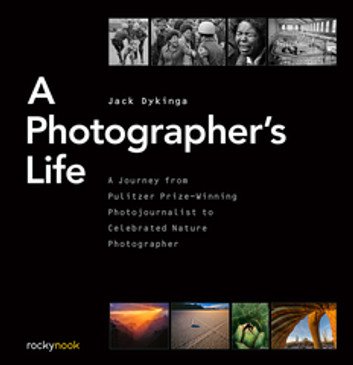
Description
Jack Dykinga: Photojournalist to Nature Photographer
Introduction: A Photographer’s Life Transformed
Jack Dykinga’s photographer’s life spans decades of remarkable visual storytelling. Moreover, his career showcases an extraordinary evolution in artistic vision. He began capturing human suffering and social injustice through photojournalism. Eventually, he transitioned to celebrating Earth’s natural beauty and wilderness. This memoir reveals the profound journey between these two worlds.
Dykinga earned a Pulitzer Prize for his groundbreaking documentary photography. Furthermore, he became one of America’s most respected nature photographers. His story inspires anyone seeking meaningful career transformation and purpose. Therefore, this book offers insights into both photography and personal growth.
The photographer’s journey from newsrooms to wilderness areas fascinates readers. Additionally, it demonstrates how passion can redirect professional paths entirely. Dykinga shares technical knowledge alongside deeply personal reflections throughout. Consequently, the book appeals to photographers and memoir enthusiasts alike.
From Pulitzer Prize Winner to Wilderness Advocate
Dykinga won the Pulitzer Prize in 1971 for Feature Photography. However, this achievement marked just the beginning of his career. He documented conditions inside Illinois mental institutions with unflinching honesty. Meanwhile, his images sparked crucial reforms in mental health care. The recognition validated his commitment to social justice through photography.
Despite this success, Dykinga felt increasingly drawn to nature photography. Furthermore, he recognized the environmental crisis threatening wild places everywhere. His photojournalism skills translated perfectly to conservation advocacy work later. Therefore, he began photographing endangered landscapes with the same intensity.
The transition wasn’t immediate or easy for the accomplished photojournalist. Nevertheless, Dykinga gradually shifted his focus toward environmental storytelling completely. He applied documentary techniques to capturing wilderness beauty and fragility. Thus, his nature work carries the same emotional power.
Career Highlights and Major Achievements
Dykinga’s photographer’s life includes numerous prestigious accomplishments and recognitions:
- Pulitzer Prize for Feature Photography (1971)
- Published over a dozen acclaimed photography books
- Contributed to National Geographic, Audubon, and Smithsonian magazines
- Received Sierra Club’s Ansel Adams Award for Conservation Photography
- Documented endangered ecosystems across the American Southwest
- Influenced wilderness preservation through powerful visual advocacy
- Mentored countless emerging photographers throughout his career
- Exhibited work in galleries and museums internationally
Each achievement reflects his dedication to visual excellence and storytelling. Moreover, these accomplishments demonstrate his impact on both photography and conservation. His work transcends mere aesthetics to inspire environmental action always.
The Evolution of Artistic Vision
Early in his photographer’s journey, Dykinga focused on human subjects. However, he gradually discovered profound connections between people and landscapes. His photojournalism background taught him to find compelling stories everywhere. Meanwhile, nature photography allowed him to explore beauty and wonder.
The shift required learning entirely new technical skills and approaches. Furthermore, Dykinga had to develop patience for landscape photography’s demands. Photojournalism often meant capturing fleeting moments under pressure instantly. Conversely, nature photography required waiting for perfect light and conditions.
Dykinga embraced large-format cameras for their superior image quality. Additionally, he mastered the zone system and advanced darkroom techniques. These tools allowed him to create images with extraordinary detail. Therefore, his nature photographs possess remarkable depth and clarity throughout.
Technical Mastery Meets Artistic Passion
The book reveals Dykinga’s meticulous approach to capturing wilderness landscapes. Moreover, he explains how technical excellence serves artistic vision ultimately. He discusses equipment choices, composition strategies, and lighting considerations thoroughly. Meanwhile, he emphasizes that gear matters less than seeing clearly.
Dykinga spent countless hours studying light in different environments carefully. Furthermore, he learned how seasons and weather affect landscape photography. He often returned to locations repeatedly to capture ideal conditions. Consequently, his images reveal intimate knowledge of each place photographed.
The photographer also shares insights about working in challenging environments. Additionally, he describes physical demands of carrying heavy equipment into wilderness. His dedication to getting the perfect shot required extraordinary persistence. Thus, readers gain appreciation for the effort behind stunning images.
Conservation Through the Camera Lens
Dykinga’s photographer’s life became inseparable from environmental advocacy over time. However, he never abandoned his photojournalistic mission of creating change. Instead, he redirected that energy toward protecting wild places everywhere. His images serve as powerful arguments for wilderness preservation always.
The book documents his work photographing threatened ecosystems across America. Moreover, it reveals how his images influenced conservation policy decisions. Dykinga collaborated with environmental organizations to protect endangered landscapes effectively. Therefore, his photography achieved tangible results beyond aesthetic appreciation alone.
He believes photographers carry responsibility to document disappearing natural heritage. Furthermore, he argues that beautiful images can inspire environmental action. His work demonstrates how art and activism can merge powerfully. Consequently, many photographers now follow his conservation-focused approach to nature.
Lessons from Decades Behind the Camera
Dykinga shares invaluable wisdom gained throughout his extensive photography career. Additionally, he offers practical advice for aspiring photographers everywhere today. His insights cover technical skills, artistic development, and professional sustainability. Meanwhile, he emphasizes the importance of finding personal vision always.
The photographer stresses that success requires dedication beyond natural talent. Furthermore, he explains how persistence and continuous learning drive improvement. He encourages photographers to study light, composition, and master photographers. Therefore, readers gain actionable guidance for developing their own skills.
Dykinga also addresses the business aspects of professional photography honestly. Moreover, he discusses balancing artistic integrity with commercial realities carefully. His career demonstrates how photographers can sustain themselves financially. Thus, the book provides practical career guidance alongside inspiration.
Personal Reflections and Life Philosophy
Beyond technical discussions, the book reveals Dykinga’s personal philosophy deeply. However, he avoids pretension while sharing profound insights about life. His photographer’s journey taught him patience, humility, and appreciation for beauty. Meanwhile, nature photography became a spiritual practice for him ultimately.
Dykinga describes how wilderness experiences transformed his worldview and priorities. Furthermore, he explains how photography deepened his connection to nature. Spending time in wild places provided perspective on human concerns. Therefore, his work reflects both artistic skill and genuine reverence.
The memoir also addresses challenges and setbacks throughout his career. Additionally, Dykinga discusses moments of doubt and creative frustration honestly. His transparency makes the book relatable to anyone pursuing excellence. Consequently, readers find encouragement for their own creative journeys here.
Finding Purpose Through Photography
The photographer’s life story ultimately centers on discovering meaningful purpose. Moreover, Dykinga demonstrates how careers can evolve toward greater fulfillment. His transition from photojournalism to nature photography wasn’t abandoning principles. Instead, it represented applying those principles to different urgent needs.
He found that protecting wild places satisfied his desire for impact. Furthermore, conservation photography allowed him to contribute to something larger. His images help people appreciate landscapes they might never visit. Therefore, his work builds public support for environmental protection efforts.
Dykinga encourages readers to follow their passions wherever they lead. Additionally, he emphasizes that it’s never too late for reinvention. His story proves that skills transfer across different photography genres. Thus, photographers can pivot while building on existing expertise successfully.
Conclusion: An Inspiring Photographic Legacy
Jack Dykinga’s photographer’s life offers inspiration for artists and environmentalists alike. Moreover, his memoir provides practical guidance for photography enthusiasts everywhere. The book balances technical instruction with personal storytelling beautifully throughout. Therefore, it appeals to diverse audiences seeking different insights here.
His journey from Pulitzer-winning photojournalist to nature photographer demonstrates courage. Furthermore, it shows how passion can redirect careers toward fulfillment. Dykinga’s work proves that photography can create meaningful change always. His legacy extends beyond beautiful images to actual conservation victories.
This book belongs on every photographer’s shelf as essential reading. Additionally, it inspires anyone considering significant career transitions or changes. Dykinga’s story reminds us that our best work often lies ahead. Consequently, readers finish feeling motivated to pursue their own passions.
The photographer’s journey continues inspiring new generations of visual storytellers. Meanwhile, his images remain powerful advocates for wilderness preservation everywhere. Jack Dykinga’s life demonstrates photography’s potential to transform both artists and audiences. Therefore, this memoir stands as testament to art’s enduring power.





Reviews
There are no reviews yet.