

Description
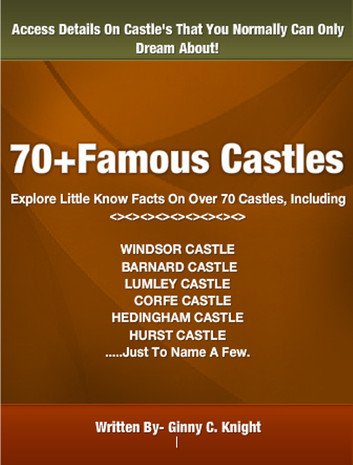
Famous Castles: Your Complete Guide to 70+ Historic Fortresses of England
Famous castles stand as magnificent testaments to England’s rich medieval heritage. Ginny C. Knight’s comprehensive guidebook explores over seventy of these architectural marvels. Moreover, this book reveals little-known facts about England’s most iconic fortifications. Therefore, readers discover fascinating stories behind these historic structures. Additionally, the guide serves both armchair travelers and active tourists alike.
Discovering England’s Castle Heritage
England boasts over 800 medieval castle sites with visible remains today. Consequently, the country offers unparalleled opportunities for castle exploration. Furthermore, each fortress tells unique stories of power, conflict, and royal life. However, many visitors miss the most intriguing historical details. Therefore, Knight’s guidebook fills this crucial knowledge gap.
The book focuses on castles that shaped English history profoundly. Moreover, it highlights both famous landmarks and lesser-known gems. Additionally, readers gain insights into architectural evolution across centuries. Thus, the guide provides comprehensive understanding of castle development.
Featured Famous Castles in the Collection
Knight’s selection includes some of England’s most remarkable fortresses. Windsor Castle stands as the world’s oldest occupied castle. Moreover, it remains an official residence of the British monarchy. Furthermore, its thousand-year history encompasses dramatic royal events. Therefore, Windsor represents the pinnacle of castle grandeur.
Barnard Castle offers a different perspective on medieval fortifications. Additionally, this Durham fortress showcases Norman military architecture. Meanwhile, its strategic location controlled important northern territories. Consequently, it played vital roles in regional conflicts.
Lumley Castle: A Medieval Masterpiece
Lumley Castle exemplifies the transition from fortress to residence. Moreover, this County Durham castle combines defensive features with domestic comfort. Furthermore, it demonstrates how noble families adapted military structures. Therefore, visitors see evolution from pure fortification to stately home.
The castle’s architecture reveals centuries of modifications and improvements. Additionally, its history includes fascinating tales of medieval nobility. Consequently, Lumley Castle represents an important architectural type. Thus, it deserves its place among England’s notable castles.
Corfe Castle: Ruins with Stories
Corfe Castle stands dramatically atop a Dorset hill. Moreover, its ruined state tells stories of Civil War destruction. Furthermore, the fortress witnessed royal murders and political intrigue. Therefore, its dramatic history matches its striking appearance.
The castle’s strategic position controlled the Isle of Purbeck. Additionally, its Norman keep dominated the surrounding landscape. Meanwhile, successive monarchs strengthened its defenses over centuries. Consequently, Corfe became one of England’s most formidable strongholds.
Understanding Castle Architecture and Design
Famous castles showcase remarkable engineering and architectural innovation. Norman keeps formed the earliest stone fortifications in England. Moreover, these massive towers provided both defense and accommodation. Furthermore, they symbolized Norman conquest and control. Therefore, understanding keep design illuminates medieval military strategy.
Castle architecture evolved significantly throughout the medieval period. Additionally, defensive features became increasingly sophisticated over time. Meanwhile, domestic quarters grew more comfortable and elaborate. Consequently, later castles balanced military function with residential luxury.
Key Architectural Features of Medieval Castles
Medieval fortresses incorporated numerous defensive and practical elements:
- Massive stone keeps serving as final defensive positions
- Curtain walls with towers providing overlapping fields of fire
- Gatehouses featuring portcullises, murder holes, and drawbridges
- Moats creating water barriers around castle perimeters
- Arrow slits allowing defenders to shoot while remaining protected
- Great halls for feasting, administration, and ceremonial functions
- Private chambers for lords and their families
- Chapels for religious observances and spiritual needs
Hedingham Castle: Norman Power Personified
Hedingham Castle preserves one of England’s finest Norman keeps. Moreover, this Essex fortress demonstrates twelfth-century military architecture. Furthermore, its massive stone tower rises over 100 feet high. Therefore, it exemplifies Norman building ambition and capability.
The keep’s interior reveals sophisticated medieval living arrangements. Additionally, its great hall features remarkable architectural details. Meanwhile, the structure has survived nearly 900 years remarkably intact. Consequently, visitors experience authentic Norman castle architecture.
Hurst Castle: Coastal Defense Innovation
Hurst Castle represents a different castle tradition entirely. Moreover, Henry VIII built it as coastal artillery fortification. Furthermore, it protected the Solent’s western approach from invasion. Therefore, it demonstrates Tudor military engineering.
The castle’s design reflects changing warfare technology. Additionally, its low profile and thick walls resisted cannon fire. Meanwhile, its own artillery commanded sea approaches effectively. Consequently, Hurst Castle remained militarily relevant for centuries.
The Role of Famous Castles in English History
Castles served multiple crucial functions throughout medieval England. Moreover, they acted as military strongholds controlling territories. Furthermore, they housed royal courts and administrative centers. Therefore, castles represented political power in physical form.
Royal castles hosted important ceremonies and state occasions. Additionally, they imprisoned political enemies and protected royal treasures. Meanwhile, they served as bases for military campaigns. Consequently, castle control often determined political outcomes.
Castles as Centers of Power
Medieval lords ruled their domains from castle strongholds. Moreover, these fortresses protected surrounding populations during conflicts. Furthermore, they generated economic activity through markets and administration. Therefore, castles anchored medieval social and economic systems.
The castle garrison maintained order across the surrounding region. Additionally, castle courts dispensed justice and settled disputes. Meanwhile, castle officials collected taxes and enforced royal authority. Consequently, castles functioned as governmental centers.
Little-Known Facts About Historic Fortresses
Knight’s guidebook reveals fascinating details often overlooked by casual visitors. Moreover, these insights bring castle history vividly to life. Furthermore, they help readers understand daily medieval life. Therefore, the book transforms castle visits into educational experiences.
Many castles contain hidden chambers and secret passages. Additionally, some feature elaborate water systems and sanitation facilities. Meanwhile, others preserve medieval graffiti and prisoners’ carvings. Consequently, these details humanize the distant past.
Planning Your Castle Exploration Journey
This comprehensive guide helps travelers plan effective castle visits. Moreover, it provides essential information about each featured fortress. Furthermore, readers learn what makes each castle historically significant. Therefore, visitors can prioritize destinations matching their interests.
The book suits various types of castle enthusiasts perfectly. Additionally, it serves history buffs seeking detailed information. Meanwhile, it helps families plan educational outings. Consequently, the guide appeals to diverse audiences.
Who Benefits from This Castle Guide
Several groups find this book particularly valuable:
- History enthusiasts wanting deeper knowledge of medieval England
- Tourists planning trips to England’s historic sites
- Students studying medieval history and architecture
- Photographers seeking dramatic historic locations
- Families looking for educational travel destinations
- Armchair travelers exploring England from home
The Norman Conquest and Castle Building
Norman invaders introduced stone castle construction to England. Moreover, William the Conqueror built castles to control conquered territories. Furthermore, these fortifications intimidated Saxon populations. Therefore, castles became symbols of Norman domination.
Early Norman castles featured motte-and-bailey designs. Additionally, these earthwork fortifications could be constructed quickly. Meanwhile, stone keeps gradually replaced wooden structures. Consequently, England’s castle landscape transformed dramatically.
Medieval Life Within Castle Walls
Famous castles housed complex communities of residents and servants. Moreover, daily life involved elaborate hierarchies and routines. Furthermore, castles required constant maintenance and provisioning. Therefore, they functioned as self-contained worlds.
The great hall served as the castle’s social center. Additionally, it hosted feasts, entertainment, and important meetings. Meanwhile, private chambers provided family living spaces. Consequently, castles balanced public and private functions.
Daily Activities in Medieval Castles
Castle inhabitants engaged in numerous daily activities. Moreover, these routines maintained the fortress and its community. Furthermore, they reflected medieval social structures and values. Therefore, understanding daily life illuminates castle purpose.
Servants prepared elaborate meals in castle kitchens. Additionally, guards maintained constant watch from towers and walls. Meanwhile, craftsmen repaired weapons, armor, and structures. Consequently, castles buzzed with constant activity.
Castle Sieges and Military Conflicts
Many famous castles endured dramatic sieges throughout history. Moreover, these conflicts tested defensive designs and garrison resolve. Furthermore, siege warfare evolved alongside castle architecture. Therefore, military history and castle development intertwined closely.
Attackers employed various siege techniques against castle defenses. Additionally, they used siege engines, mining, and starvation tactics. Meanwhile, defenders countered with their own strategies. Consequently, sieges could last months or even years.
Preservation and Modern Castle Tourism
England’s castle heritage faces ongoing preservation challenges. Moreover, weather, age, and visitor traffic threaten these structures. Furthermore, conservation requires significant financial resources. Therefore, tourism helps fund essential preservation work.
Modern visitors can explore castles in various states of preservation. Additionally, some remain fully intact and even inhabited. Meanwhile, others survive only as romantic ruins. Consequently, each castle offers unique visitor experiences.
Why This Guidebook Matters for Castle Enthusiasts
Knight’s comprehensive approach makes this guide invaluable. Moreover, it combines historical information with practical travel advice. Furthermore, it reveals stories that bring castles to life. Therefore, readers gain deeper appreciation for these monuments.
The book’s accessible writing style suits general audiences perfectly. Additionally, it avoids academic jargon while maintaining accuracy. Meanwhile, it provides enough detail to satisfy serious enthusiasts. Consequently, the guide balances accessibility with substance.
Educational Value for All Ages
This castle guide offers educational benefits for diverse readers. Moreover, it introduces medieval history through tangible structures. Furthermore, it encourages curiosity about England’s past. Therefore, it serves as excellent educational resource.
Young readers discover exciting stories of knights and battles. Additionally, adults appreciate architectural and historical insights. Meanwhile, families find shared learning opportunities. Consequently, the book facilitates intergenerational education.
Exploring Castle Legends and Ghost Stories
Many famous castles feature legendary tales and ghost stories. Moreover, these narratives add atmospheric dimension to castle visits. Furthermore, they reflect how castles captured popular imagination. Therefore, legends form part of castle heritage.
Some stories recount historical events with dramatic embellishment. Additionally, others involve supernatural occurrences and hauntings. Meanwhile, certain tales warn of curses and tragedies. Consequently, castle folklore enriches the visitor experience.
The Evolution from Fortress to Heritage Site
Most castles no longer serve their original military purposes. Moreover, many have transformed into tourist attractions and museums. Furthermore, some function as hotels or private residences. Therefore, castles continue evolving to meet contemporary needs.
This transformation presents both opportunities and challenges. Additionally, tourism generates revenue for preservation efforts. Meanwhile, visitor access must be balanced with conservation. Consequently, castle management requires careful planning.
Conclusion: Your Journey Through England’s Castle Heritage
“70+Famous Castles” by Ginny C. Knight offers an essential guide. Moreover, it opens doors to England’s magnificent medieval heritage. Furthermore, it transforms casual interest into informed appreciation. Therefore, this book belongs in every castle enthusiast’s library.
The guide’s comprehensive coverage spans England’s diverse castle landscape. Additionally, its accessible style welcomes readers of all backgrounds. Meanwhile, its detailed information satisfies serious history buffs. Consequently, the book serves multiple purposes effectively.
Whether planning actual visits or armchair exploration, this guide delivers. Moreover, it reveals the fascinating stories behind England’s famous castles. Furthermore, it demonstrates why these structures continue captivating modern imaginations. Therefore, Knight’s guidebook preserves and shares England’s invaluable castle heritage.






Reviews
There are no reviews yet.